How to Prune Western hemlock?
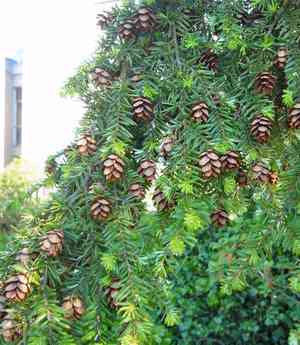
Recognized for its perennial greenery and pyramidal structure, western hemlock flourishes with judicious trimming to preserve its inherent silhouette. To ensure peak vitality, eliminate deceased, ailing, or congested limbs during the winter season when the tree is inactive. Reducing the density of the crown facilitates light access and air circulation, thereby improving development. Trim lower boughs if increased space is preferred. Refrain from severe topping, as this can stimulate fragile growth. The advantages of pruning encompass a diminished likelihood of illness and organized maturation for this impressive variety.
What Are the Benefits of Pruning Western Hemlock?
What Are the Benefits of Pruning Western Hemlock?
Trimming western hemlock promotes vigorous development and maintains its desired form. Removing dead or crowded branches enhances air circulation, lowering disease risk and fostering a healthy structure.
What Is the Best Time for Pruning Western Hemlock?
What Is the Best Time for Pruning Western Hemlock?
Winter is considered ideal for trimming western hemlock due to several factors related to its growth cycle and well-being. During winter, western hemlock enters a dormant phase, meaning growth and sap flow are reduced. This allows cuts to heal more effectively without stressing the plant or causing excessive sap loss. Pruning in winter minimizes the chance of disease and pest infestation, as many pathogens and insects are less active in colder months. Since western hemlock's foliage is less dense in winter, its branch structure is more visible, enabling more precise pruning and improved shaping. Additionally, removing branches while the plant is dormant ensures that new spring growth is robust and healthy, guided by the cuts made. By following these guidelines, gardeners can help maintain the health and aesthetic appeal of western hemlock.
What Tools Do I Need to Prune Western Hemlock?
Hand Pruners
Perfect for cutting small branches and twigs up to ¾ inch in diameter on western hemlock.
Loppers
Offer leverage for cutting through branches 1½ to 2 inches in diameter, suitable for medium-sized branches of western hemlock.
Pruning Saw
Essential for larger branches exceeding 2 inches in diameter, allowing for accurate cuts without harming western hemlock.
Hedge Shears
Useful for shaping and trimming the foliage of western hemlock when creating hedges or formal designs.
Pole Pruner
Enables reaching and removing branches up to 1¼ inches in diameter in the higher canopy of western hemlock without needing a ladder.
Pruning Gloves
Crucial for protecting the gardener's hands from scratches and sap while trimming western hemlock.
Pruning Sealer
Sometimes applied to protect larger cuts from disease, though its necessity for western hemlock is debated among experts.
How to Prune Western Hemlock
Step1: Identifying Unhealthy Plant Segments
Begin by examining western hemlock for any indications of dead wood, diseased branches, or broken limbs. Accurate identification of these parts is vital for the plant's health and appearance.
Step2: Gathering Pruning Equipment
Collect the appropriate trimming tools such as sharp bypass pruners, a pruning saw, and gloves to ensure clean cuts and personal safety.
Step3: Sanitizing Pruning Tools
Before making any cuts, disinfect your pruning tools with a 10% bleach solution or alcohol to prevent the spread of diseases.
Step4: Cutting off Dead Wood
Start by removing dead wood. Make cuts on dead branches just above the healthy wood, ensuring a smooth and clean cut. Avoid tearing the bark or leaving stubs that can attract pests and diseases.
Step5: Removing Diseased Branches
Proceed to trim out diseased branches. Cut at least several inches into the healthy tissue beyond the affected area to ensure all infected parts are removed. Dispose of diseased material properly to prevent contamination.
Step6: Trimming Broken Limbs Safely
Address any broken limbs by making clean cuts to remove jagged edges that could impede western hemlock's natural healing process. For larger limbs, use the three-cut method to prevent bark stripping: First, make an undercut away from the trunk, then a second cut to remove the limb's weight, followed by a final cut close to the trunk to create a smooth surface for healing.
Step7: Shaping and Balancing Plant
After trimming the necessary parts, step back to assess the overall shape and structure of western hemlock. Make any additional shaping cuts for balance and symmetry, but be conservative as western hemlock generally requires minimal pruning.
Step8: Disposing of Pruning Debris
Clean up all the debris and dispose of it properly. Keeping the area around western hemlock free of pruning remnants will help reduce the risk of disease.
Step9: Post-Pruning Hydration
Water the western hemlock if needed to ensure it is not stressed, especially if you have removed a significant amount of material.
Step10: Monitoring Post-Prune Recovery
Monitor western hemlock after pruning for signs of new growth or any issues. Proper aftercare, including mulching and fertilization if necessary, can support western hemlock in recovery and thriving post pruning.
Post-Pruning Care for Western Hemlock
Post-Pruning Care for Western Hemlock
Immediately after trimming western hemlock, disinfect wounds with a mild antiseptic solution to prevent infection. Place western hemlock in an area with filtered sunlight and ensure consistent humidity, shielding it from temperature extremes. Apply a balanced, slow-release fertilizer to aid in recovery. Regularly check for signs of stress, such as wilting or discolored foliage, and treat promptly if detected. Maintain a vigilant monitoring routine to address potential threats swiftly, ensuring western hemlock's robust regrowth.
Common Pruning Mistakes with Western Hemlock
Over-pruning leads to stress and dieback
Trimming too aggressively which can stress western hemlock and result in poor growth or dieback.
Improper cutting into old wood inhibits regrowth
Cutting into the old wood from which western hemlock may not easily regenerate.
Dull or dirty tools cause jagged cuts and disease
Using dull or unclean trimming tools which can cause jagged cuts and increase the risk of disease.
Common Pruning Tips for Western Hemlock
Sharp, clean shears for quick healing cuts
Use sharp, clean trimming shears to make precise cuts that western hemlock can heal quickly from.
Thinning for better air flow and light reach
Focus on thinning out dense areas to improve air circulation and light penetration for western hemlock's inner branches.
Prune only dead or unhealthy branches
Remove only dead, diseased, or damaged branches to maintain the health and natural shape of western hemlock.



