How to Prune Carolina hemlock?
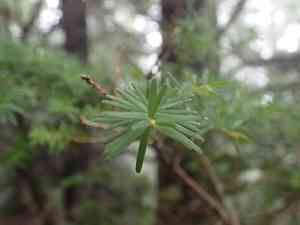
This perennial evergreen, recognized for its delicate leaves and elegant structure, flourishes with infrequent trimming. Essential pruning methods for carolina hemlock involve excising deceased or ailing limbs and reducing density to enhance airflow. The most effective time for pruning is in winter, during its inactive period, to lessen sap leakage and facilitate recovery. Trimming additionally preserves the preferred shape and dimensions, prevents excessive growth, and boosts the plant's general well-being and visual attractiveness. Exercise care to avoid cutting into the mature, non-foliage-producing wood, as this could impede regeneration.
What Are the Benefits of Pruning Carolina Hemlock?
What Are the Benefits of Pruning Carolina Hemlock?
Trimming carolina hemlock promotes robust development and helps maintain its desired form. Regular cutting eliminates dead or weak limbs, fostering a healthier and more appealing plant, while lessening the chance of illness.
What Is the Best Time for Pruning Carolina Hemlock?
What Is the Best Time for Pruning Carolina Hemlock?
Pruning carolina hemlock from late winter to early spring is optimal as the plant remains dormant, minimizing sap loss that can attract pests. This timing allows for clearer visibility of the structure without leaves, enabling cleaner cuts and more precise shaping. It also stimulates vigorous growth as temperatures rise, helping the plant recover quickly and reducing disease risk.
What Tools Do I Need to Prune Carolina Hemlock?
Hand Pruners
For severing small branches of carolina hemlock up to approximately 3/4 inch in diameter. Bypass pruners are preferred over anvil pruners for clean cuts that facilitate proper healing.
Loppers
Suitable for branches between 3/4 inch and 1.5 inches in diameter. The extended handles offer leverage to simplify cutting, which is crucial for the denser growth of carolina hemlock.
Pruning Saw
Required for branches exceeding 1.5 inches in diameter. A curved blade model assists in making flush cuts without harming the remainder of carolina hemlock.
Pole Pruner
To safely trim elevated branches without needing a ladder. This tool will help preserve the natural pyramidal shape of carolina hemlock.
Hedge Shears
For shaping and maintaining the outer foliage of carolina hemlock, especially for formal hedges or when a neat, uniform appearance is desired.
How to Prune Carolina Hemlock
Sanitization
Disinfect your pruning tools with a solution of 1 part bleach to 9 parts water to prevent the spread of disease to carolina hemlock.
Identify
Carefully examine carolina hemlock to locate all dead and diseased branches. These branches often show discoloration, lack of growth, or damaged bark.
Cutting
Using sharp, sanitized pruning shears, make clean cuts to remove dead and diseased branches at their junction with healthy tissue, avoiding stubs that could attract pests or decay.
Wound dressing
Apply a natural wound dressing, such as tree pruning sealer, to the cuts of carolina hemlock to promote healing and prevent disease entry.
Disposal
Properly dispose of the removed branches from carolina hemlock by burning them or removing them from the site to minimize the risk of disease spread.
Common Pruning Mistakes with Carolina Hemlock
Overpruning
Removing too much foliage at once can stress carolina hemlock, leading to poor health or growth.
Flush cuts
Making pruning cuts flush with the trunk can damage the collar, slowing down the healing process.
Stubby cuts
Leaving too long a stub when cutting branches can invite pests and diseases.
Dirty tools
Using uncleaned pruning tools can spread diseases between plants.
Random cutting
Carolina hemlock may be harmed by random or aimless cutting without understanding the growth pattern of the plant.
Common Pruning Tips for Carolina Hemlock
Sharp tools
Use sharp, clean pruning tools to make clean cuts that heal quickly.
Angled cuts
Make angled cuts to prevent water from collecting on the cut surface, reducing the risk of disease.
Selective pruning
Be selective and deliberate with pruning to shape carolina hemlock and encourage new growth where desired without overdoing it.
Thin interior
Carefully thin out the interior branches to improve air circulation and light penetration.
Remove dead material
Regularly remove dead, diseased, or damaged branches to maintain the health and appearance of carolina hemlock.



