How to Prune Painted trillium?
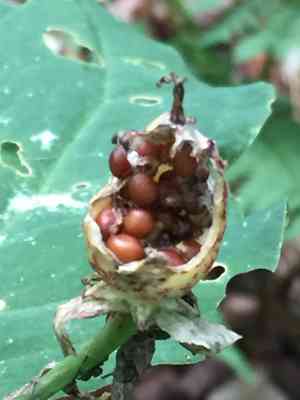
This enduring herbaceous species, recognized for its striking white blossoms featuring wavy edges, needs very little trimming. The primary pruning for painted trillium entails eliminating any deceased or impaired leaves to preserve its vigor and visual appeal. Trimming should occur in late winter or early spring, prior to the emergence of new shoots, to avoid harming developing stems. Thoughtful pruning can encourage development and enhance air movement, thereby reducing the likelihood of diseases. No significant reduction in size is required, as this might disrupt the plant's inherent blooming patterns.
What Are the Benefits of Pruning Painted Trillium?
What Are the Benefits of Pruning Painted Trillium?
Trimming painted trillium encourages robust development and helps preserve its attractive shape. By selectively removing parts of painted trillium, gardeners foster a stronger, more organized plant that is more visually appealing.
What Is the Best Time for Pruning Painted Trillium?
What Is the Best Time for Pruning Painted Trillium?
The optimal period for trimming painted trillium is during late winter and early spring before new growth emerges. Pruning in late winter allows gardeners to clearly observe the structure of painted trillium without leaf obstruction, simplifying cut decisions. Additionally, pruning wounds heal quicker at this time, lowering the risk of disease or pest issues. In early spring, as the plant exits dormancy, pruning can stimulate fresh, healthy growth and help maintain its form. It is vital to avoid pruning painted trillium when it's actively growing or flowering, as this can unduly stress the plant and potentially diminish the upcoming season's blooms.
What Tools Do I Need to Prune Painted Trillium?
Bypass Pruners
Bypass pruners are highly recommended for trimming painted trillium due to their sharp, scissor-like cutting action, which ensures clean cuts without harming the delicate stems.
Precision Snips
Precision snips are perfect for trimming smaller stems or removing spent flowers from painted trillium. These tools allow for meticulous control, which is necessary given the plant's fragile nature.
Gardening Gloves
While not a cutting tool, gardening gloves are essential for protecting your hands when trimming painted trillium. They provide grip and guard against potential irritants or sharp edges.
How to Prune Painted Trillium
Disinfect tools
Before starting the trimming process, sanitize all cutting tools with a solution of 1-part bleach to 9-parts water to prevent the spread of disease to painted trillium.
Identify
Carefully examine painted trillium for diseased leaves, indicated by unusual spots or discoloration, and withered leaves that are dry or brown.
Cut diseased leaves
Using sharp, clean pruning shears, precisely cut off diseased leaves at the base where they meet the stem, taking care not to damage healthy tissue.
Remove withered leaves
Remove withered leaves from painted trillium by gently cutting them at the base as well, which will promote healthier growth and improve air circulation.
Cleanup
After trimming painted trillium, collect and dispose of all removed foliage to minimize the risk of disease spread. Ensure the area around painted trillium is clear of debris.
Common Pruning Mistakes with Painted Trillium
Overpruning
Removing too much foliage can stress painted trillium and hinder its growth. It's essential to ensure that no more than one-third of the plant's overall foliage is removed in a trimming session.
Improper cutting
Incorrect cutting technique can damage the delicate stems of painted trillium. Cuts should be clean and made at a 45-degree angle to avoid crushing the tissue, which can lead to disease and pest infestations.
Unnecessary pruning
Painted trillium does not typically require extensive trimming. Excessive cutting back could lead to a reduction in blooming since painted trillium is a low-maintenance woodland perennial.
Common Pruning Tips for Painted Trillium
Health maintenance
Trim painted trillium to remove dead or diseased foliage as needed. This practice helps maintain the health of the plant by preventing the spread of disease and pests.
Post-bloom care
After blooming, the seed heads of painted trillium may be removed to encourage vigor. This step prevents the plant from allocating resources to seed production.
Gentle technique
Use sharp, clean pruning shears for painted trillium, and be gentle when making cuts to avoid damaging the plant's structure. This tip is crucial for maintaining the longevity and aesthetic of painted trillium.



