How to Prune Bloody butcher?
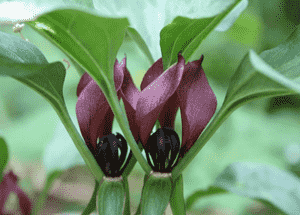
This plant flourishes with minimal interference, as bloody butcher is a self-sustaining woodland herbaceous perennial that thrives when left alone. Should pruning be required, perform it in late winter or early spring prior to the emergence of new shoots. Eliminate only deceased or compromised leaves to foster robust development. Trimming not only preserves its appearance but also prevents ailments. Gardeners must proceed cautiously, as excessive pruning can diminish bloody butcher's vitality and capacity for blooming.
What Are the Benefits of Pruning Bloody Butcher?
What Are the Benefits of Pruning Bloody Butcher?
Trimming bloody butcher encourages vigorous new growth, leading to a robust plant structure. Strategic cuts help maintain its natural form and reduce excessive spread, ensuring bloody butcher appears neat and contained within its area.
What Is the Best Time for Pruning Bloody Butcher?
What Is the Best Time for Pruning Bloody Butcher?
Pruning bloody butcher in late winter or early spring is advisable as this period aligns with the plant's dormant phase before new growth commences. Late winter pruning minimizes the risk of frost damage to fresh cuts and allows the plant to heal prior to the growing season. Early spring pruning is ideal because it removes any dead or dying foliage from the previous year, which helps redirect the plant's energy towards producing healthy new growth and ensures that the display of spring flowers is not hindered.
What Tools Do I Need to Prune Bloody Butcher?
Sharp Bypass Pruners
Ideal for making clean cuts without harming bloody butcher's delicate stems. They offer precision and minimize plant damage.
Gardening Gloves
Protects hands from cuts and soil-borne pathogens when handling bloody butcher. Essential for safety during the pruning process.
Fine Pruning Snips
Perfect for trimming small or hard-to-reach areas of bloody butcher without causing unnecessary damage to surrounding foliage.
How to Prune Bloody Butcher
Identify diseased withered leaves
Examine bloody butcher for any diseased or withered leaves. Look for signs of discoloration, spots, or decay, which may indicate illness, and leaves that are brown and dry, signifying they are withered.
Sanitization
Before beginning the pruning process, sterilize your pruning tools with isopropyl alcohol or a 10% bleach solution to prevent the spread of disease among plants.
Precise cutting
Using your sanitized pruning shears, snip the diseased or withered leaves at their base where they meet the stem or main plant structure. Make clean cuts to prevent damage to the remaining healthy tissue.
Disposal
Remove the pruned diseased and withered leaves from the area to reduce the risk of spreading any pathogens. Dispose of them in a location away from healthy plants or compost areas.
Post pruning care
Monitor bloody butcher after pruning for any signs of stress. Ensure it has adequate moisture and is not exposed to stress factors. This will help the plant recover and maintain its health.
Common Pruning Mistakes with Bloody Butcher
Overpruning
Removing too much foliage can stress bloody butcher, hindering its ability to photosynthesize and store energy for the next growing season.
Improper cutting technique
Incorrect cutting can damage bloody butcher's delicate stems, potentially introducing disease or inhibiting future growth.
Disregarding plant structure
Pruning without understanding the natural shape and growth pattern of bloody butcher can lead to an unnatural appearance and may hamper its development.
Using dirty tools
Neglecting to clean and sterilize pruning tools can introduce pathogens to bloody butcher, increasing the risk of infection.
Unnecessary pruning
Since bloody butcher is a low-maintenance species, unnecessary or cosmetic pruning is not often required and can be detrimental to the plant’s health.
Common Pruning Tips for Bloody Butcher
Sharp clean tools
Use sharp, clean pruning shears to make clean cuts on bloody butcher, minimizing damage and reducing the risk of transmitting diseases.
Follow natural shape
Prune bloody butcher by following its natural contours, removing only the damaged or diseased parts to preserve its form and encourage healthy growth.
Minimal pruning
Engage in minimal pruning of bloody butcher, focusing only on removing dead or damaged plant tissue to maintain its health without stressing the plant.
Protect rhizomes
Avoid cutting into or near the rhizomes of bloody butcher, as this is where next year’s growth will originate. Keep pruning restricted to the foliage and stems above ground.
Post-bloom pruning
Prune only after bloody butcher has flowered and when the foliage has yellowed or died back, which will allow the plant to store sufficient energy before going dormant.



