How to Prune Purpletop tridens?
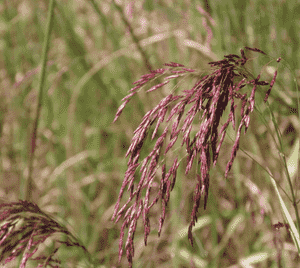
Purpletop tridens, a tall perennial grass distinguished by its cluster of violet blossoms, thrives with yearly trimming. The optimal time for this task is from late winter to early spring, prior to the emergence of fresh shoots. Cultivators ought to trim back aged leaves close to the soil surface, fostering more robust and compact development. Consistent elimination of deceased matter improves vitality and aesthetic appeal. This upkeep additionally aids in controlling its dimensions and, if preferred, deters self-propagation.
What Are the Benefits of Pruning Purpletop Tridens?
What Are the Benefits of Pruning Purpletop Tridens?
Trimming purpletop tridens promotes robust development and helps maintain a tidy form. This method ensures nutrients are directed to fresh, vigorous growth instead of supporting older, potentially weaker plant parts.
What Is the Best Time for Pruning Purpletop Tridens?
What Is the Best Time for Pruning Purpletop Tridens?
The ideal periods for trimming or cutting purpletop tridens are late winter and early spring. These times align with the plant's dormant phase, when growth is minimal. This timing prevents excessive strain on purpletop tridens and allows energy reserves to be used for healing and new growth as the active season begins. Pruning before spring growth starts enables gardeners to shape the plant and remove any dead or damaged tissue without hindering the development of new shoots and flower stalks. Additionally, the plant's structure is more visible in late winter when foliage is absent, allowing for more precise cuts. By following these guidelines, gardeners can ensure the health and vitality of purpletop tridens throughout its life cycle.
What Tools Do I Need to Prune Purpletop Tridens?
Bypass Pruners
Perfect for making neat cuts on purpletop tridens without crushing its stems. Bypass pruners operate like scissors and can cut stems up to 1/2 inch in diameter.
Grass Shears
These are suitable for trimming and shaping purpletop tridens in areas requiring precision. Their long blades are excellent for cutting grasses without pulling or tearing.
Handheld Pruning Saws
For removing thicker, woody sections of purpletop tridens that might be too large for pruners. These saws can quickly handle stems thicker than 1/2 inch.
Loppers
When purpletop tridens stems are too thick for bypass pruners but not quite thick enough for a saw, loppers provide the necessary leverage for clean cuts on branches up to 2 inches in diameter.
How to Prune Purpletop Tridens
Clean tools
Before beginning, ensure all pruning tools are clean and sharp to prevent disease spread and make clean cuts on purpletop tridens.
Identify diseased
Inspect purpletop tridens for any signs of diseased leaves, characterized by discoloration, spots, or decay. Look closely at the base of the leaves to detect any hidden issues.
Trim diseased
Carefully trim off all diseased leaves at their connection point to the stem, ensuring removal of the entire leaf and any affected stem portion.
Identify withered
Check purpletop tridens for withered leaves, which are typically dry, brown, and brittle. These are often older leaves that have naturally aged and died back.
Trim withered
Using your pruning tools, remove the withered leaves from purpletop tridens by cutting them at the base near the stem, taking care not to damage new growth or healthy tissue.
Common Pruning Mistakes with Purpletop Tridens
Over-pruning
Removing too much foliage, which can stress purpletop tridens and increase its susceptibility to disease or poor growth.
Cutting at wrong sites
Pruning above or below the node or cutting into old, woody growth, which may hinder new shoots or cause dieback.
Using dull tools
Making cuts with dull pruning tools can damage purpletop tridens's tissue, leading to an increased risk of disease.
Neglecting tool hygiene
Failing to sanitize tools between cuts, which can spread pathogens to purpletop tridens.
Pruning into dormant wood
Cutting too deeply into dormant wood, which can prevent purpletop tridens from producing new growth in spring.
Ignoring plant structure
Not following the natural form of purpletop tridens can result in a less aesthetically pleasing shape and harm the plant's health.
Leaving stubs
Leaving long stems or stubs invites pests and diseases and hinders healing.
Common Pruning Tips for Purpletop Tridens
Sharp tools
Use sharp, clean pruning shears to make clean cuts that heal quickly, minimizing stress on purpletop tridens.
Clean cuts
Make clean cuts at a 45-degree angle right above a healthy node to encourage new growth in purpletop tridens.
Consider plant health
Before pruning, assess purpletop tridens's health to determine how much can be pruned without causing harm.
Prune for shape
Prune to maintain the natural open, airy structure of purpletop tridens, which promotes air circulation and reduces disease risk.
Balance pruning
Evenly prune all sides of purpletop tridens to maintain symmetry and balanced growth.
Gradual reduction
If substantial pruning is required, do it incrementally over several seasons to avoid shocking purpletop tridens.
Post-pruning care
After pruning purpletop tridens, provide appropriate care such as watering and mulching to support recovery and robust regrowth.



