How to Prune Snake gourd?
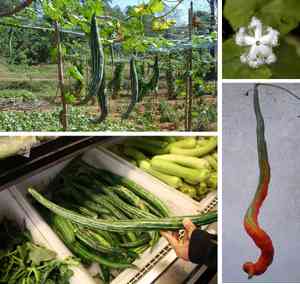
This vining plant produces white blossoms and yields extended fruits. For snake gourd, initial guidance and consistent removal of side branches promote upward development and boost fruit yield. Trim the plant once the primary vine attains a height of 1.5-2 meters. The best times for pruning are from spring to autumn, concentrating on excising deceased or excessively large stems to better air movement. Key advantages encompass improved fruit dimensions and caliber, along with disease prevention by eradicating potential areas of contamination.
Advantages of Trimming Snake Gourd
Advantages of Trimming Snake Gourd
Trimming snake gourd promotes robust development and helps maintain its desired form. Consistent cutting encourages a strong framework, ensures optimal air movement, and maximizes fruit yield.
Optimal Time for Pruning Snake Gourd
Optimal Time for Pruning Snake Gourd
Pruning or trimming snake gourd in Spring assists in eliminating any dead or overwintered foliage, which fosters healthy new growth as the plant enters its active development phase. Early Summer pruning helps maintain desired shape and size, and it's beneficial to do so after the initial blooming to avoid disrupting the fruiting process. Fall pruning is ideal for removing any diseased or damaged sections of snake gourd before it goes dormant in winter, which can help prevent potential disease spread and prepare the plant for vigorous growth in the subsequent season.
Tools Required for Pruning Snake Gourd
Bypass Pruners
Perfect for making precise cuts on snake gourd's younger, green stems without causing unnecessary harm to the plant tissue.
Long-Handled Loppers
Useful for reaching higher stems of snake gourd and providing the leverage needed to cut through thicker growth with clean cuts.
Pruning Saw
Suitable for removing any mature or woody stems of snake gourd that bypass pruners or loppers cannot handle efficiently.
Gardening Gloves
Essential to protect hands from snake gourd's rough stems and any sharp tool edges during the pruning process.
Secateurs
Best for managing snake gourd's tendrils and precision trimming around the fruits and foliage.
Garden Scissors
Helpful for detailed shaping and thinning of snake gourd's softer foliage and for the removal of dead or yellowing leaves.
Cleaning Solution
Important for sterilizing tools before and after use on snake gourd to prevent the spread of disease.
How to Prune Snake Gourd
Clean And Sharpen Tools
Before starting, ensure pruning shears are clean and sharp to guarantee precise cuts and prevent disease transmission to snake gourd.
Identify Withered Leaves
Carefully inspect snake gourd's vines to locate withered or dead leaves, which are typically dry, brown, and brittle to the touch.
Sanitary Cut
Using the pruning shears, make clean cuts to remove dead leaves from snake gourd at their base, without harming the stems or nearby healthy foliage.
Dispose Waste
After removing the withered leaves, discard them properly to prevent any potential disease from spreading to healthy parts of snake gourd or other plants.
Clean Tools Post Pruning
After pruning snake gourd, clean the tools again to remove any plant residue that may harbor disease-causing organisms.
Common Pruning Errors with Snake Gourd
Over-Pruning
Removing too much foliage from snake gourd can stress the plant, hinder growth, and reduce fruit production.
Improper Cut Placement
Cutting too far from a bud can result in dead stubs, while cutting too close can damage the bud and impair future growth.
Using Dull Tools
Pruning snake gourd with dull instruments can damage stems and create jagged cuts that are more susceptible to disease.
Neglecting To Disinfect Tools
Failure to sanitize pruning tools can introduce pathogens to snake gourd, possibly spreading disease among the vines.
Ignoring Weak Or Diseased Limbs
Not removing unhealthy parts of snake gourd during pruning can hinder the plant's overall health and fruit yield.
Common Pruning Tips for Snake Gourd
Clean Cuts
Make sharp, clean cuts at a 45-degree angle just above a healthy bud to ensure quick healing and minimize the risk of disease.
Selective Pruning
Focus on removing only dead, diseased, or overcrowded stems from snake gourd to promote air circulation and reduce the risk of fungal infections.
Maintenance Pruning
Regularly remove any suckers and lateral shoots from snake gourd to direct energy towards fruit production and main vine vigor.
Structural Support
Provide a sturdy trellis or support system for snake gourd and gently guide the main vines, securing them loosely to encourage vertical growth.
Post-Harvest Care
After fruiting, trim snake gourd to remove excess growth and help the plant prepare for the next growing season.



