How to Prune Oncidium cebolleta?
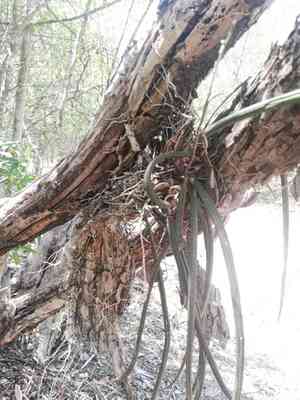
Perfect for tropical environments, oncidium cebolleta is an epiphytic orchid known for its colorful flowers. Trimming entails detaching faded flower stalks at their origin and any lifeless or compromised pseudobulbs and foliage to encourage development and air circulation. Exercise care when trimming after blooming, as oncidium cebolleta may flower multiple times annually. Consistent examination for impaired sections is crucial due to its ongoing growth pattern. Pruning boosts the plant's vitality and visual attractiveness, assisting in warding off diseases. Always sanitize instruments prior to utilization.
What Are the Benefits of Pruning Oncidium Cebolleta?
What Are the Benefits of Pruning Oncidium Cebolleta?
Trimming oncidium cebolleta promotes abundant flowering, stimulates robust development, and maintains the plant's desired form. It is crucial for the plant's vigor and aesthetic appeal.
What Is the Best Time for Pruning Oncidium Cebolleta?
What Is the Best Time for Pruning Oncidium Cebolleta?
Pruning oncidium cebolleta from late winter to early spring aligns with its natural dormant phase when growth is minimal. This timing avoids cutting the plant during its active growth period in late spring and summer, which could disrupt the formation of new pseudobulbs and flower spikes. Pruning before new growth appears allows oncidium cebolleta to recover from cuts and direct energy towards new growth and flower production. Additionally, it helps prevent disease and pest infestations, as these are less active in colder months, reducing risk to fresh cuts. Finally, this timing enables gardeners to remove any dead or damaged growth from the previous season, making space for healthy new growth in the upcoming season.
What Tools Do I Need to Prune Oncidium Cebolleta?
Sharp and Sterilized Scissors or Snips
For oncidium cebolleta, precise cuts are vital to avoid harming the delicate pseudobulbs and leaves. Sterilized blades help prevent disease transmission.
Fine Pruning Shears
Oncidium cebolleta may develop old or yellowing leaves that can be neatly trimmed with fine pruning shears to maintain plant health and appearance.
Tweezers or Small Forceps
These instruments are useful for removing dead or dry sheaths from the base of oncidium cebolleta's pseudobulbs without causing injury to the plant.
Rubbing Alcohol or Bleach Solution
To sanitize pruning tools before and after use on oncidium cebolleta, which is crucial to prevent infection and the spread of pathogens.
How to Prune Oncidium Cebolleta
Sterilize tools
Before beginning to prune oncidium cebolleta, sanitize pruning tools with isopropyl alcohol or a bleach solution to prevent disease spread.
Remove diseased leaves
Carefully snip off diseased leaves at their base where they meet the pseudobulb, ensuring no healthy tissue is damaged. Dispose of them properly to prevent disease transmission.
Trim withered leaves
Trim off withered leaves by cutting them at the base near the pseudobulb using sterilized pruning shears, taking care not to pull or tear, which can harm oncidium cebolleta.
Cut dead branches
Remove dead or diseased branches by making a clean cut with sterilized pruning equipment. Cut close to the plant's main stem to encourage healthy growth, but be cautious to avoid cutting healthy parts.
Prune withered flower
Snip off withered flowers from oncidium cebolleta at the base of the flower spike, cleanly cutting through the spike to avoid damage to the plant's structure and promote new blooms.
Common Pruning Mistakes with Oncidium Cebolleta
Overpruning
Removing too many pseudobulbs of oncidium cebolleta can deplete the plant's vital energy reserves, potentially weakening it and reducing its ability to flower.
Pruning Healthy Pseudobulbs
Trimming or cutting healthy pseudobulbs can unnecessarily stress oncidium cebolleta and impede its growth and blooming potential.
Incorrect Cuts
Making imprecise or jagged cuts on oncidium cebolleta can create open wounds that are vulnerable to infections and pests.
Ignoring Hygiene
Using unsanitized tools during the pruning process can introduce pathogens to oncidium cebolleta, leading to disease outbreaks.
Pruning During Active Growth
While this specific information is excluded, it is still a common mistake to prune when oncidium cebolleta is producing new shoots or leaves, possibly affecting its development.
Disregarding Plant Structure
Failing to understand oncidium cebolleta's growth habit before pruning can result in cutting away parts of the plant that are vital for its structure and vitality.
Common Pruning Tips for Oncidium Cebolleta
Sharp Tools
Use sterile, sharp scissors or pruning shears to make clean cuts on oncidium cebolleta, reducing disease risk and ensuring quick healing.
Selective Pruning
Only prune the spent flower spikes, yellowing or dead leaves, and shriveled pseudobulbs of oncidium cebolleta to maintain plant health without excessive trimming.
Timing and Observation
Regularly observe oncidium cebolleta to identify the correct plant parts to prune while ensuring the plant's energy is directed towards healthy growth and flowering.
Hygiene Practices
Disinfect pruning tools before and after trimming oncidium cebolleta to prevent the spread of pathogens.
Protective Cuts
Make pruning cuts on oncidium cebolleta close to the base of the spent flower spike or dead material, taking care not to damage adjacent healthy tissue or growth nodes.
Aftercare
After pruning oncidium cebolleta, ensure that the plant is in optimal conditions for recovery, including appropriate light, humidity, and watering routines to promote healthy regrowth.



