How to Prune Snowflake tree?
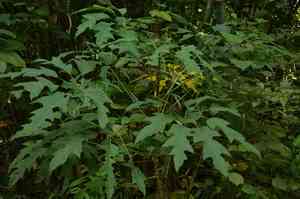
Celebrated for its large, ornamental foliage reminiscent of snowflakes, snowflake tree thrives with appropriate trimming. Regular upkeep fosters robust development and the plant's impressive look. Trim snowflake tree while it is inactive in winter, eliminating deceased or compromised limbs to boost vitality and visual charm. Reducing crowded sections improves light access and air movement, vital for averting ailments. Trimming is performed judiciously, to sculpt the plant and control its dimensions, guaranteeing its distinctive leaves stay a garden highlight.
What Are the Benefits of Pruning Snowflake Tree?
What Are the Benefits of Pruning Snowflake Tree?
Trimming snowflake tree promotes robust development and maintains its attractive, snowflake-like foliage in a pleasing form, vital for both plant vitality and visual appeal.
What Is the Best Time for Pruning Snowflake Tree?
What Is the Best Time for Pruning Snowflake Tree?
Trimming snowflake tree in late winter, just prior to the spring growth surge, enables the plant to recover swiftly without stressing it during the intense growth phase. This timing also prevents cut surfaces from being exposed to harsh winter conditions that could cause harm or illness. Late winter pruning ensures that any removed buds or growth will not impact the upcoming spring development, allowing snowflake tree to direct its energy into producing healthy new foliage and maintaining a strong structure. Pruning at this time minimizes sap loss and permits gardeners to shape the plant effectively before its rapid spring growth begins. It's also simpler to observe and access the structure of snowflake tree without leaves. This timing avoids interfering with blooming or fruiting since snowflake tree typically flowers after new growth has appeared in spring.
What Tools Do I Need to Prune Snowflake Tree?
Bypass Pruners
Perfect for making precise cuts on the smaller branches of snowflake tree, as they create a clean incision that supports good plant health.
Lopping Shears
Effective for cutting through thicker branches that bypass pruners cannot manage, as snowflake tree may possess some larger limbs requiring removal.
Pruning Saw
Essential for removing any large branches on snowflake tree that are too thick for lopping shears, allowing for accurate cuts without harming the tree.
Hedge Shears
Useful for shaping the outer foliage of snowflake tree and easily trimming away any smaller, unwanted shoots.
Pole Pruner
If snowflake tree has grown tall, a pole pruner can be utilized to reach and trim branches that are too high for standard tools.
How to Prune Snowflake Tree
Clean Tools
Before trimming snowflake tree, ensure all pruning implements are clean and sanitized to prevent disease transmission.
Identify Branches
Carefully inspect snowflake tree to pinpoint any dead or diseased branches that need to be removed.
Cut Diseased Branches
Using sharp pruning shears, make a clean cut on diseased branches well below the affected area to guarantee all diseased tissue is eliminated.
Remove Dead Branches
For dead branches, cut at the base where the branch meets the trunk or a main limb of snowflake tree, ensuring the cut is clean to aid healing.
Dispose Trimmed Material
After pruning snowflake tree, properly discard the dead and diseased branches by burning or binning to prevent infection spread.
Common Pruning Mistakes with Snowflake Tree
Over-Pruning
Removing too much foliage from snowflake tree at once can stress the plant, leading to poor growth or even death. It's important not to exceed one-third of the total growth in a single pruning session.
Improper Cuts
Cutting too close to the main branch or stem can damage snowflake tree. Conversely, leaving too large a stub can hinder healing and invite disease.
Neglecting Tools
Using dull or dirty pruning tools can cause jagged cuts, which may lead to pest and disease issues for snowflake tree. It's crucial to keep tools sharp and clean.
Ignoring Plant Architecture
Failing to consider the natural shape and growth habit of snowflake tree during pruning can result in an unbalanced and aesthetically unpleasing plant.
Uneven Pruning
Pruning snowflake tree unevenly can lead to asymmetric growth or the plant growing more vigorously in some areas, which may compromise its overall health and appearance.
Common Pruning Tips for Snowflake Tree
Clean Cuts
Ensure cuts on snowflake tree are clean and at a 45-degree angle to promote healing and prevent water accumulation, which can lead to rot or disease.
Prune Selectively
Avoid indiscriminate pruning by selectively removing dead, damaged, or diseased limbs of snowflake tree to encourage better air circulation and light penetration.
Follow Growth Pattern
Understand the growth pattern of snowflake tree and prune to enhance its natural form, ensuring it remains healthy and attractive.
Encourage Flowering
For snowflake tree, deadheading or pruning spent flowers can sometimes encourage a second bloom and prevent the plant from putting energy into seed production.
Tool Care
Regularly maintain and disinfect pruning tools before and after use on snowflake tree to minimize the risk of spreading disease between plants.



