How to Prune Water chestnut?
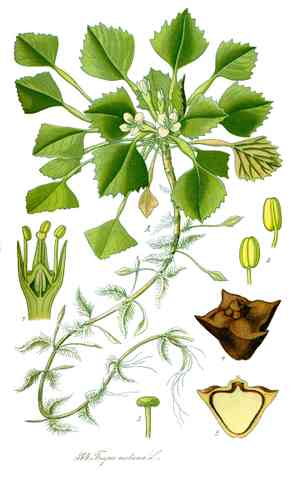
Hailing from Eurasia and Africa, the water chestnut is an aquatic botanical species characterized by buoyant foliage and a unique, thorny, dark fruit. To prune effectively, eliminate faded blossoms and seed casings to deter autonomous propagation and manage its proliferation. The most suitable period for pruning is from spring to early summer, aligning with the water chestnut's rapid development phase. Judicious oversight of the plant, through targeted pruning, contributes to preserving the well-being of waterways by curbing its vigorous expansion and fostering ecological equilibrium.
Advantages of Trimming Water Chestnut
Advantages of Trimming Water Chestnut
Trimming water chestnut promotes more robust development by eliminating dead or crowded sections, allowing better light and air penetration. It also helps maintain its desired form, preventing excessive growth and ensuring a balanced, appealing look.
Optimal Time for Trimming Water Chestnut
Optimal Time for Trimming Water Chestnut
The best periods for trimming water chestnut are Spring and Early Summer. In Spring, the plant is actively growing, making it ideal for shaping as it can heal and regrow quickly. Trimming in Early Summer is also beneficial, aligning with the pre-flowering stage, which directs energy towards growth and fruit development instead of unnecessary foliage. Avoid trimming in Late Summer and Fall, as water chestnut prepares for dormancy then, and trimming could weaken its natural cycle and storage capacity for colder months.
Tools Required for Trimming Water Chestnut
Long-Handle Rake
Given water chestnut's aquatic habitat, a long-handle rake can be used to gently gather plants in the water for easier trimming.
Aquatic Weed Cutter
As water chestnut grows in water, an aquatic weed cutter is suitable for severing its stems underwater without needing to physically enter the water.
Pond Net
A sturdy pond net is useful for removing trimmed water chestnut pieces from the water surface, preventing their spread and encouraging growth.
Hand Pruners
For any trimming or removal of water chestnut above the water, hand pruners offer precision and control.
Heavy-Duty Gloves
Gloves protect hands from sharp edges of water chestnut and potential irritants in its aquatic environment.
Disposal Bags
Robust disposal bags are necessary to collect and remove water chestnut fragments, preventing their propagation.
How to Trim Water Chestnut
Sanitize Tools
Before beginning, sanitize your trimming tools with alcohol or a bleach solution to prevent disease transmission.
Inspect Plant
Thoroughly examine water chestnut to identify and locate diseased leaves, withered leaves, and diseased stems that need trimming.
Remove Diseased Leaves
Carefully trim diseased leaves from water chestnut by snipping them at their base where they meet healthy tissue, using sharp scissors or trimming shears.
Eliminate Withered Leaves
Trim any withered leaves from water chestnut, as they no longer contribute to the plant's growth, using the same method as for diseased leaves.
Cut Diseased Stems
Cut back any diseased stems on water chestnut to the point of healthy tissue to stop infection spread, ensuring clean, angled cuts to promote healing and deter water accumulation.
Common Trimming Errors with Water Chestnut
Excessive Trimming
Removing too much vegetation in one trimming session can stress and weaken water chestnut, potentially reducing its vitality and productivity.
Incorrect Tools
Using dull or unclean tools can result in jagged cuts, increase disease risk, and harm water chestnut's delicate aquatic stems.
Trimming Healthy Growth
Unnecessarily cutting healthy stems can limit water chestnut's ability to absorb nutrients and photosynthesize effectively, hindering its overall health and growth.
Improper Cut Placement
Making trimming cuts too far from a node or budding point can lead to unwanted stem die-back or poor regrowth in water chestnut.
Neglecting Dead Or Dying Material
Failing to remove dead or dying material can impede water chestnut's growth and become a breeding ground for pests and diseases.
General Trimming Advice for Water Chestnut
Sharp And Clean Tools
Always use sharp, clean trimming shears to ensure precise and clean cuts, preventing damage to the plant's delicate aquatic stems.
Selective Trimming
Carefully choose stems that are overcrowding or crossing each other to trim, ensuring optimal light and nutrient distribution throughout water chestnut.
Cut At Nodes
When trimming, make cuts just above the leaf nodes to encourage new growth from these points. This will help maintain the plant's natural shape and promote healthy regeneration.
Regular Maintenance
Regularly remove dead or dying material to prevent decay and disease, and to keep water chestnut looking its best.
Post-Trimming Care
After trimming, provide proper care by ensuring water chestnut has enough water, nutrients, and appropriate sunlight, to recover and continue thriving.



