How to Prune Silver inch plant?
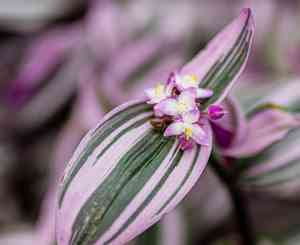
The silver inch plant, a rapidly developing, cascading specimen with impressive leaves, greatly benefits from consistent trimming. Shorten elongated stalks to stimulate denser development, employing sterilized, keen shears. The most opportune period for pruning extends from early spring through late autumn, aligning with the plant's vigorous growth cycle. Excising several inches from the stem ends fosters more robust plants and can deter excessive expansion. Clipped sections readily establish roots in water, providing a method for cultivating new specimens.
What Are the Benefits of Pruning Silver Inch Plant?
What Are the Benefits of Pruning Silver Inch Plant?
Trimming silver inch plant ensures it keeps a compact, full growth habit, vital for its vigor and visual appeal. Strategic cuts help redirect energy to healthier shoots, boosting vitality and form.
What Is the Best Time for Pruning Silver Inch Plant?
What Is the Best Time for Pruning Silver Inch Plant?
These periods are considered ideal for trimming silver inch plant due to several key aspects of its growth cycle and well-being. In early spring, silver inch plant enters a phase of rapid development due to increased light and warmer temperatures, allowing it to recover quickly from pruning and channel energy into producing new, healthy growth. Additionally, trimming before the intense summer heat helps the plant remain robust and prevents stress that might occur if pruned during hot summer months. As late fall approaches, silver inch plant's growth slows, but mild weather conditions still permit good recovery from any pruning performed. However, it's crucial to stop trimming before winter to ensure silver inch plant isn't left with fresh cuts vulnerable to cold damage. Avoiding pruning during flowering or fruiting is generally recommended to prevent hindering these processes, but since silver inch plant is primarily grown for its foliage rather than significant blooms or fruits, this concern is less critical.
What Tools Do I Need to Prune Silver Inch Plant?
Bypass Pruners
Bypass pruners are perfect for making clean, precise cuts on silver inch plant, which helps prevent stem damage and encourages healthy regrowth.
Small Scissors
Small scissors are excellent for trimming the slender, trailing stems of silver inch plant, allowing for exact control over shape and the removal of dead or yellowed leaves.
Gardening Gloves
Gardening gloves protect hands when handling silver inch plant, which can have sap that might irritate some individuals' skin.
Disinfectant
Using a disinfectant on pruning tools before and after trimming silver inch plant helps prevent disease spread and keeps the plant healthy.
Sanitizing Wipes
Sanitizing wipes are useful for cleaning tools between cuts when pruning silver inch plant, further ensuring disease doesn't spread from stem to stem.
How to Prune Silver Inch Plant
Step1: Sterilizing Pruning Tools
Gather your pruning tools, ensuring they are clean and sharp. Sterilize them with alcohol or a bleach solution to prevent disease transmission.
Step2: Identifying Old Growth
Identify old growth on silver inch plant that requires pruning. Look for stems that are no longer producing new leaves or have become woody and sparse.
Step3: Cutting at Node or Base
Locate the base of the old stem you wish to remove. Cut it off where it connects with the main plant or at a healthy node. This will stimulate new growth and fuller foliage.
Step4: Removing Dead Leaves
Examine silver inch plant for any dead leaves. Gently remove them by either pinching them off with your fingers or using your pruning tools to make a clean cut at the leaf's base.
Step5: Shaping Overgrown Stems
Identify overgrown stems that detract from silver inch plant's shape or are encroaching on other plants. Cut these stems back to a node pointing in the direction you want to encourage new growth. This will help maintain silver inch plant's desired shape and size.
Step6: Staggering Cuts for Bushiness
When trimming overgrown stems, stagger your cuts to promote a bushier appearance. Avoid cutting all stems to the same length to maintain a natural look.
Step7: Applying Cut End Treatment
After making any cut, apply a small amount of fungicide or a natural antiseptic like cinnamon powder to the cut end to prevent infection and aid healing.
Step8: Disposal of Plant Debris
Properly dispose of all removed plant parts, as they can harbor pests or diseases.
Step9: Post-Pruning Watering
Lightly water silver inch plant after pruning to reduce plant stress and help it recover faster.
Step10: Monitoring New Growth
Monitor silver inch plant for new growth and adjust your pruning practices as needed to keep the plant healthy and well-shaped.
Post-Pruning Care for Silver Inch Plant
Post-Pruning Care for Silver Inch Plant
After trimming silver inch plant, promptly water to maintain slightly moist soil, avoiding waterlogging. Place silver inch plant in bright, indirect light to encourage regrowth, keeping it away from direct sunlight during healing. Maintain humidity around 60% and stable temperatures between 65-75°F. Apply a balanced liquid fertilizer diluted to half-strength every two weeks to aid recovery. Regularly inspect silver inch plant for wilted leaves or discoloration, which indicate stress or infection. If such signs appear, adjust care and consult a plant specialist for potential treatment.
Common Pruning Mistakes with Silver Inch Plant
Over-pruning Stunts Growth
Excessive pruning can hinder silver inch plant's growth or cause plant stress, leading to fewer new shoots and a less vibrant appearance.
Damaging with Dull Tools
Using dull or dirty pruning tools can damage silver inch plant's stems, resulting in jagged cuts more prone to disease.
Leaving Dead Leaves Reduces Health
Failing to remove dead or yellowing leaves can diminish silver inch plant's overall health and aesthetic appeal, as it impedes air circulation and light penetration to lower plant parts.
Harmful Cuts Near Main Stem
Trimming too close to the main stem could potentially harm the node, which is crucial for new growth in silver inch plant.
Ignoring Natural Growth Pattern
Disregarding silver inch plant's natural growth pattern could lead to uneven development and lessen its characteristic trailing look.
Common Pruning Tips for Silver Inch Plant
Use Clean, Sharp Pruning Tools
Use clean, sharp scissors or gardening shears to make clean cuts, which will heal faster and reduce the chance of disease in silver inch plant.
Prune Leggy Stems for Bushier Growth
Target leggy or overgrown stems for trimming to encourage bushier growth and maintain silver inch plant's desired shape.
Cut Above Leaf Nodes for Fullness
Make cuts just above leaf nodes, as this is where new growth will emerge, enhancing silver inch plant's fullness.
Remove Dead Material for Plant Health
Regularly inspect silver inch plant for dead, damaged, or yellowing leaves and stems; removing them promptly will promote a healthier and more attractive plant.
Pinch Tips to Stimulate Dense Foliage
Pinch off the tips of stems, especially after a trailing stem has finished flowering, to stimulate branching and create denser foliage.



