How to Prune Virginia spiderwort?
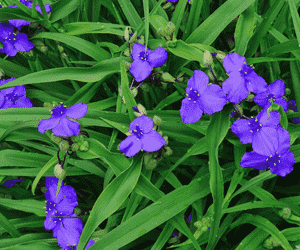
Virginia spiderwort, a resilient perennial featuring arching, grass-like foliage and three-petaled blooms, thrives with occasional trimming. Perform cuts to preserve its form, stimulate denser development, or eliminate faded blossoms, which can extend its flowering duration. The best time for cutting back is in early spring, prior to the emergence of new shoots. After the initial bloom, a gentle trim encourages a subsequent wave of flowers. Removing spent blooms is also advisable. A key point to remember is to refrain from extensive pruning in autumn to safeguard its winter resilience.
What Are the Benefits of Pruning Virginia Spiderwort?
What Are the Benefits of Pruning Virginia Spiderwort?
Trimming virginia spiderwort promotes vigorous development, maintaining a compact and appealing form, thereby enhancing its overall garden presence.
What Is the Best Time for Pruning Virginia Spiderwort?
What Is the Best Time for Pruning Virginia Spiderwort?
In early spring, virginia spiderwort begins its active growth, making it the perfect time to trim or cut the plant to encourage strong growth and maintain its desired shape before the peak growing season. Pruning at this time allows the plant to recover quickly and produce new shoots. Late summer pruning should be done carefully, mainly to remove spent flowers or neaten the plant after its main blooming period. This timing ensures that virginia spiderwort retains its vitality and aesthetic appeal, while also avoiding the removal of developing buds essential for the next seasonâs growth cycle.
What Tools Do I Need to Prune Virginia Spiderwort?
Hand Pruners
Virginia spiderwort possesses soft, herbaceous stems that are easily cut with hand pruners. Choose a sharp, clean pair to make precise cuts without harming the plant tissue.
Shears
For shaping and trimming virginia spiderwort across larger areas, shears enable quick and efficient cutting of multiple stems, which is useful as virginia spiderwort can become quite bushy.
Gloves
Wearing gloves is advisable to shield your hands from sap and ensure a firm grip on pruning tools while tending to virginia spiderwort.
Clean Cloth
Using a clean cloth to wipe the blades of your cutting tools before and after pruning virginia spiderwort prevents the spread of disease.
How to Prune Virginia Spiderwort
Step1: Deadheading Spent Blooms
Identify the faded flowers on virginia spiderwort. Deadheading, or the removal of withered blossoms, encourages new blooms and prevents the plant from expending energy on seed production.
Step2: Snipping Off Dead Flowers
Using clean, sharp scissors or pruning shears, snip off the dead flowers at the base of their stem. Be careful not to damage new buds or emerging flowers nearby.
Step3: Removing Wilted Leaves
Locate withered or yellowing leaves on virginia spiderwort. These leaves no longer contribute to the plant's growth and can be removed to improve air circulation and overall plant appearance.
Step4: Pruning Yellowing Leaves
Carefully remove withered leaves by cutting them off close to the base of the leaf where it meets the stem. Ensure that you do not cut into the main stem or new leaves.
Step5: Cutting Back Woody Stems
Examine virginia spiderwort for any woody stems, which may indicate older growth that has become tough and less productive. Pruning these will help rejuvenate the plant.
Step6: Stimulating New Growth
Cut the woody stems back to the base or to the point where you see new, green growth. This will stimulate virginia spiderwort to produce fresh, vigorous growth.
Step7: Debris Cleanup Post-Pruning
After pruning, clean up any fallen debris around virginia spiderwort to prevent any potential pest or disease issues.
Step8: Post-Pruning Watering
Water virginia spiderwort adequately after pruning to help reduce stress on the plant and provide a good environment for new growth to thrive.
Step9: Monitoring New Growth
Monitor virginia spiderwort regularly after pruning for signs of new growth. This will help dictate if further pruning is needed or if care adjustments should be made to encourage a healthy plant.
Step10: Tool Sterilization After Pruning
Lastly, sterilize your pruning tools after finishing to prevent the spread of disease between plants in your garden.
Post-Pruning Care for Virginia Spiderwort
Post-Pruning Care for Virginia Spiderwort
After pruning virginia spiderwort, promptly water the plant to ease stress and aid in recovery. Maintain a balance of indirect sunlight and shade to prevent scorching while ensuring adequate light for growth. Keep the environment moderately humid and at a consistent temperature, avoiding extremes. Apply a balanced, diluted fertilizer to replenish nutrients and support new growth. Regularly inspect virginia spiderwort for signs of distress, such as wilting or discolored leaves, and immediately address any infection indicators, such as mold or decay, with appropriate treatments.
Common Pruning Mistakes with Virginia Spiderwort
Over-pruning Reduces Foliage and Health
Excessive pruning of virginia spiderwort can weaken the plant by removing too much foliage, which is essential for photosynthesis and overall health.
Dirty or Dull Tools Harm Plants
Not using clean, sharp pruning tools can lead to jagged cuts that are more susceptible to disease and pest infestation.
Early Pruning of New Shoots Limits Blooms
Pruning the new shoots too early might limit the flower production as virginia spiderwort can bloom on new growth.
Common Pruning Tips for Virginia Spiderwort
Prune to Encourage Rejuvenation and Growth
Cut virginia spiderwort back to about 6-8 inches above ground level to rejuvenate the plant and encourage new growth.
Deadheading Promotes More Blooms
Remove the spent flowers, or 'deadhead', to promote continued blooming and prevent the plant from spending energy on seed production.
Remove Yellow or Dead Leaves for Plant Health
Regularly inspect virginia spiderwort for any yellowing or dead leaves and stems, and prune these parts to maintain a healthy and aesthetically pleasing plant.



