How to Prune Ohio spiderwort?
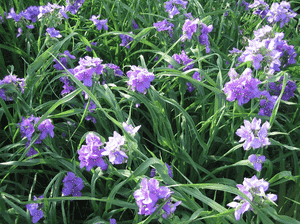
Recognized for its vibrant blue-to-purple blossoms, ohio spiderwort flourishes in bright sunlight to dappled shade. Trim back the leaves to encourage thicker growth and boost flower production. The best time for trimming is from the beginning of spring until the end of autumn, fostering renewal and structural development. Removing faded flowers extends the blooming period. Trimming is highly advantageous for managing its dimensions, inhibiting self-propagation, and sustaining the plant's well-being.
What Are the Benefits of Pruning Ohio Spiderwort?
What Are the Benefits of Pruning Ohio Spiderwort?
Trimming ohio spiderwort promotes more vigorous development and maintains its shape for visual appeal and garden design integrity.
What Is the Best Time for Pruning Ohio Spiderwort?
What Is the Best Time for Pruning Ohio Spiderwort?
Cutting back ohio spiderwort in early spring, just before new growth emerges, ensures the removal of any winter damage and stimulates the development of fresh shoots. Pruning at this time prepares the plant for robust growth and health throughout the growing season. Trimming ohio spiderwort in late fall, after flowering has ceased and dormancy begins, allows for shaping and the removal of faded blooms and leaves, which can help prevent disease and pest issues. These periods avoid the strain of pruning during peak summer heat and the midst of active growth or flowering, thus not negatively impacting ohio spiderwort's health and bloom cycle.
What Tools Do I Need to Prune Ohio Spiderwort?
Sharp Bypass Pruners
Excellent for making clean cuts on the relatively slender stems of ohio spiderwort, helping prevent disease by minimizing damage to plant tissues.
Precision Snips
Useful for deadheading ohio spiderwort and removing spent flowers with accuracy, encouraging further blooming and maintaining the plant's appearance.
Gloves
Protects hands when handling ohio spiderwort, which can have sap that may cause skin irritation in some individuals.
Garden Shears
Effective for cutting back large clumps of ohio spiderwort to encourage healthy growth and manage their spreading habit.
How to Prune Ohio Spiderwort
Step1: Inspect Plant for Pruning
Thoroughly examine ohio spiderwort to identify all damaged stems, spent flower stalks, and wilted leaves that need trimming. This is best done in the morning when the plant is most turgid.
Step2: Prepare Sterilized Pruning Shears
Use clean, sharp pruning shears to prevent diseases and ensure precise cuts. Sanitize the blades with rubbing alcohol or a 10% bleach solution before and after use.
Step3: Identify Stems for Pruning
Locate the base of the damaged stem on ohio spiderwort. Follow the stem down to where it emerges from the main foliage clump or to the next healthy set of leaves.
Step4: Angle Cut Above Leaf Node
Cut the damaged stems at an angle, approximately 1/4 inch above a leaf node or the plant's base, to encourage new growth and prevent water accumulation on the cut surface that could lead to rot.
Step5: Prune Spent Flower Stalks
Remove spent flower stalks of ohio spiderwort by cutting them back to the plant's base or the next set of healthy leaves, encouraging the plant to focus energy on new growth and potentially additional blooms.
Step6: Remove Wilted Leaves
Carefully trim away wilted or yellowing leaves from ohio spiderwort by snipping them at the base where they meet the stem. This helps maintain the plant's aesthetic appeal and health.
Step7: Discard Pruning Debris
After pruning ohio spiderwort, dispose of all cuttings to prevent the spread of any potential disease and to deter pests.
Step8: Water Plant Post-Pruning
Water the ohio spiderwort moderately after pruning to reduce stress on the plant and help it recover more quickly, but avoid overwatering as it can lead to root rot.
Step9: Monitor Plant for Regrowth
Monitor ohio spiderwort after pruning for signs of new growth. Regularly check for and promptly remove any further damaged or wilted parts to maintain the plant's health and appearance.
Post-Pruning Care for Ohio Spiderwort
Post-Pruning Care for Ohio Spiderwort
Immediately after trimming ohio spiderwort, ensure the cut areas are clean to prevent infection. Place ohio spiderwort in indirect sunlight, maintaining moderate humidity and temperature. Water the soil to keep it consistently moist, avoiding overwatering. Apply a balanced fertilizer to aid recovery but avoid over-fertilization. Regularly inspect for wilting, discoloration, or pests as indicators of stress or disease. If symptoms appear, adjust care and consult a horticulturist if necessary.
Common Pruning Mistakes with Ohio Spiderwort
Avoid Cutting Stems Too Short
Cutting ohio spiderwort's Stems Too Short - Trimming ohio spiderwort too close to the ground can be harmful. Gardeners should leave several inches of the stems intact to allow for healthy regrowth.
Use Sanitized Pruning Tools
Not Using Clean Tools - Dirty pruning shears or scissors can introduce diseases to ohio spiderwort. It is crucial to use sterilized tools to prevent the spread of pests or pathogens.
Don't Prune Healthy Blooms
Pruning Healthy Blossoms - Gardeners sometimes mistakenly cut off healthy blossoms of ohio spiderwort. It's important to differentiate between spent and upcoming blooms to avoid reducing the flowering potential.
Prune Sparingly to Reduce Stress
Over-pruning - Removing too much foliage at once can stress ohio spiderwort, hindering its growth and flowering. Gardeners should prune no more than one-third of the plant at a time.
Remove Dead or Diseased Stems Promptly
Ignoring Dead or Diseased Stems - Failing to remove dead or diseased stems during pruning can affect ohio spiderwort's overall health and appearance, as well as lead to further disease spread.
Common Pruning Tips for Ohio Spiderwort
Prune Spent Flowers for New Growth
Target Spent Flowers and Old Foliage - Focus on removing faded flowers and yellowing or old leaves to encourage new growth and more abundant flowering in ohio spiderwort.
Cut Above Leaf Nodes for Bushiness
Snip Above Leaf Nodes - When pruning ohio spiderwort, always cut just above a leaf node or a set of leaves. This promotes branching and can lead to a bushier and more floriferous plant.
Perform Light, Spread-out Pruning
Spread Out Pruning - If extensive pruning is required, spread it out over a period to minimize stress to ohio spiderwort. Successive light prunings are more beneficial than a single hard cutback.
Use Sharp Tools for Clean Cuts
Ideal Pruning Technique - Use sharp, clean pruning shears for precise cuts that heal quickly. Avoid tearing or crushing the stems of ohio spiderwort to prevent damage.
Regular Assessments for Healthy Pruning
Assess the Plant's Health - Regularly assess ohio spiderwort's growth, and prune as needed to remove sickly or damaged parts, which helps maintain a healthy plant structure and appearance.



