How to Prune Small-leaf spiderwort?
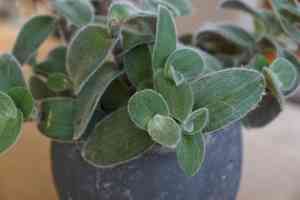
This robust, trailing plant, featuring lustrous green foliage, flourishes as either a ground cover or in suspended containers. Essential trimming methods for small-leaf spiderwort involve nipping off the ends of stems to foster denser development and eliminating any discolored or lifeless leaves to preserve the plant's well-being. The most effective time for pruning spans from the beginning of spring to the close of autumn, aligning with its periods of vigorous expansion. Consistent trimming prevents small-leaf spiderwort from spreading excessively and encourages more substantial, appealing growth. Always employ sanitized, sharp implements to avert the spread of pathogens.
What Are the Benefits of Pruning Small-leaf Spiderwort?
What Are the Benefits of Pruning Small-leaf Spiderwort?
Trimming small-leaf spiderwort encourages robust development by eliminating old or overgrown sections, ensuring its energy is directed towards new shoots. It also helps maintain the plantâs form for a neat look.
What Is the Best Time for Pruning Small-leaf Spiderwort?
What Is the Best Time for Pruning Small-leaf Spiderwort?
Pruning small-leaf spiderwort in early spring is advantageous as it initiates the growth period by removing old foliage and allowing light and air to reach new shoots. This timing fosters healthy new growth and preserves the plant's shape. Since small-leaf spiderwort is a fast-growing plant, regular trimming throughout the active season (spring to fall) may be necessary to keep it manageable and attractive. Late fall pruning is also suitable as it prepares small-leaf spiderwort for winter by removing any unhealthy or dead growth, reducing disease risk. Pruning during this period leverages the plant's slower growth phase, resulting in less stress. Avoid trimming in winter when the plant is dormant, as this can hinder spring growth.
What Tools Do I Need to Prune Small-leaf Spiderwort?
Sharp Scissors
For accurate and clean cuts on small-leaf spiderwort, sharp scissors are crucial. These enable easy snipping of soft stems without harming the plant's structure.
Hand Pruners
Even though small-leaf spiderwort has delicate stems, hand pruners or secateurs can be utilized for thicker stems or for more leverage if required. They provide a clean cut that promotes healthy regrowth.
Gloves
Protective gloves are advised to prevent direct contact with small-leaf spiderwort sap, which can irritate some individuals' skin.
Disinfectant
Tool disinfectant ensures that cuts are clean and lowers the chance of spreading pathogens to small-leaf spiderwort.
Garden Shears
For shaping or managing the spread of small-leaf spiderwort, garden shears can be employed to trim larger areas uniformly and quickly.
How to Prune Small-leaf Spiderwort
Step1: Tool Preparation and Sterilization
Prepare your trimming implements. Use sharp, clean scissors or pruning shears. Sanitize the blades with rubbing alcohol or a bleach solution to prevent disease transmission to small-leaf spiderwort.
Step2: Overgrown Stem Inspection
Examine small-leaf spiderwort for signs of elongated stems. These are typically long stems that might be trailing on the ground or hanging over the potâs edge. Identify excessively long stems for trimming.
Step3: Targeted Overgrowth Pruning
Make precise cuts on overgrown stems. Cut back each elongated stem just above a leaf node or a branching point. This will encourage small-leaf spiderwort to branch out, become fuller, and stimulate new growth.
Step4: Yellow Leaf Removal
Remove yellow leaves by snipping them at the base where they connect to the stem. Yellow leaves often indicate overwatering or nutrient deficiency, and their removal will enhance the overall health and appearance of small-leaf spiderwort.
Step5: Withered Branch Identification
Locate withered branches, which feel dry and brittle. These are unproductive and can be entirely removed to redirect small-leaf spiderwort's energy to healthier parts.
Step6: Withered Branch Pruning
Using your scissors or shears, carefully remove withered branches by cutting them at their connection point to the main stem or immediately after a healthy segment.
Step7: Plant Reshaping and Proportional Trimming
After pruning, reshape small-leaf spiderwort by selectively trimming stems to create a balanced, appealing form. Avoid cutting more than one-third of the plant at a time to prevent shock.
Step8: Pruning Debris Disposal
Dispose of all removed plant materialâincluding overgrown stems, yellow leaves, and withered branchesâappropriately. Avoid leaving any debris on the soil as this could lead to disease.
Step9: Post-Pruning Watering and Positioning
Water small-leaf spiderwort lightly after pruning, if the soil is dry, to aid its recovery. Ensure that small-leaf spiderwort is placed in indirect light and at a temperature between 65-75°F (18-24°C) to promote regrowth.
Step10: Growth Monitoring and Care Adjustment
Monitor small-leaf spiderwort after pruning for signs of new growth. New growth typically indicates that the plant is healthy and responding well to the pruning. Adjust care routines as necessary to promote the well-being of small-leaf spiderwort.
Post-Pruning Care for Small-leaf Spiderwort
Post-Pruning Care for Small-leaf Spiderwort
Immediately after trimming small-leaf spiderwort, ensure it's placed in indirect but bright light to facilitate vigorous regrowth. Maintain high humidity and a consistent temperature, avoiding extremes. Begin a light feeding with a balanced liquid fertilizer to aid recovery, but avoid over-fertilization which can stress the plant. Monitor small-leaf spiderwort for yellowing leaves or wilting, signs of stress or infection. If such symptoms are found, adjust care techniques accordingly. Regular observation will help detect any issues early, ensuring a healthy rebound.
Common Pruning Mistakes with Small-leaf Spiderwort
Excessive Pruning Shocks Plant
Over-pruning, which can stress small-leaf spiderwort and hinder its growth. Removing too much foliage at once can shock the plant and slow its recovery.
Injuring Nodes by Pruning Too Close
Trimming too close to the nodes, which could harm the delicate growth points and impede the production of new shoots.
Failing to Remove Dead Foliage Encourages Pests
Neglecting to remove dead or yellowing leaves, which can impede healthy growth and potentially encourage the spread of pests and diseases.
Using Dull Tools Causes Jagged Cuts and Disease
Using dull or unclean pruning tools that can cause jagged cuts and introduce pathogens to the plant.
Improper Pruning Neglects Plant's Natural Shape
Ignoring the natural growth habit of small-leaf spiderwort, leading to improper pruning that doesnât enhance the plantâs shape or vigor.
Common Pruning Tips for Small-leaf Spiderwort
Sharp, Clean Shears for Precise, Healthy Cuts
Utilize sharp and clean pruning shears to make precise cuts, preventing damage to the stems and reducing the risk of disease transmission.
Prune Above Nodes at 45-Degree Angle for Growth
Cut just above leaf nodes at a 45-degree angle, which promotes new growth while minimizing the chance of injury to the plant.
Trim Leggy Stems for Bushier Growth
Regularly trim back leggy or overgrown stems to encourage bushier growth, maintaining the health and appearance of small-leaf spiderwort.
Prune Moderately to Avoid Plant Stress
Remove only a moderate amount of growth at a time, focusing on thinning out the plant rather than cutting it back drastically.
Support Recovery with Water and Light Post-Pruning
After pruning, provide small-leaf spiderwort with adequate water and light to support its recovery and new growth.



