How to Prune Windmill palm?
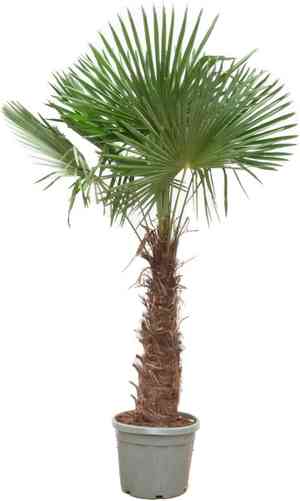
Originating from central and eastern Asia, Trachycarpus fortunei is recognized for its lofty, solitary trunk and palmate leaves. Crucial trimming entails excising withered or compromised fronds and depleted inflorescence stems. Perform this maintenance during early spring or late winter for optimal outcomes. This procedure tidies the canopy, improving the plant's visual appeal and lowering the chance of illness. Employ keen, disinfected implements to prevent harm to Trachycarpus fortunei and encourage swift recuperation.
What Are the Benefits of Pruning Windmill Palm?
What Are the Benefits of Pruning Windmill Palm?
Trimming windmill palm promotes vitality and preserves its desired fan-like shape, ensuring both visual appeal and robust health.
What Is the Best Time for Pruning Windmill Palm?
What Is the Best Time for Pruning Windmill Palm?
Late winter timing allows for the removal of any fronds damaged by frost before new growth emerges, typically in spring. Pruning in early spring supports the healthy development of windmill palm, aligning with its active growth phase when it can readily recover and seal pruning wounds. Furthermore, completing pruning tasks prior to warmer weather helps prevent the plant from experiencing excessive stress during hotter months. Pruning during these recommended periods avoids disrupting windmill palm's flowering or fruiting cycles, thereby fostering the plant's overall health and aesthetic.
What Tools Do I Need to Prune Windmill Palm?
Sharp Hand Pruners
Perfect for snipping off brown or yellow fronds near the trunk of windmill palm, ensuring a clean cut without harming the trunk.
Long-Handled Loppers
Useful for reaching and cutting thicker fronds or petioles that are difficult to cut with hand pruners, without overstraining the user.
Pole Saw
Essential for removing dead or damaged fronds located higher up on windmill palm, particularly for mature specimens with a tall trunk.
Pruning Saw
Suitable for larger fronds and when precise control is needed for cuts close to the trunk, allowing for careful operation to prevent trunk damage.
Gloves and Safety Glasses
Crucial for safeguarding the pruner's hands and eyes from sharp frond edges and fibers that could cause irritation or injury during the pruning process.
How to Prune Windmill Palm
Step1: Prepare and Sanitize Tools
Wear gloves and use sharp, clean pruning shears or a saw, depending on the thickness of the fronds to be trimmed from windmill palm. Disinfect your tools with rubbing alcohol or a 1:9 bleach-to-water solution to prevent disease spread.
Step2: Identify Dead Leaves
Locate dead leaves, which may appear brown, yellow, or withered. Dead leaves can harbor pests and diseases and should be removed to maintain the health and appearance of windmill palm.
Step3: Cut Off Dead Leaves at Base
Carefully cut off the dead leaves close to the trunk. Make the cut at the base of the leaf stem, where it connects to the trunk, but avoid damaging the trunk itself. A clean cut will heal faster and reduce disease risk.
Step4: Prune Discolored or Drooping Fronds
Examine windmill palm for older fronds that are discolored or drooping. These fronds are typically found lower on the trunk and can be pruned to tidy up the palm and encourage new growth.
Step5: Trim Old Fronds Near Trunk
Trim the old fronds using the same method as the dead leaves, cutting them close to the trunk without causing damage. Only remove fronds that are clearly dead or dying; healthy green fronds contribute to the growth and health of windmill palm and should not be removed.
Step6: Remove Unwanted Flower Stalks
Locate the flower stalks, which grow among the fronds. If windmill palm is producing fruit that is undesirable or creating a mess, it's best to remove the flower stalks to prevent fruit development.
Step7: Carefully Prune Flower Stalks
Prune the flower stalks by cutting them as close to their base as possible. Take care not to cut nearby fronds, as accidental damage can stress windmill palm.
Step8: Proper Disposal of Trimmings
Dispose of all trimmed parts appropriately, which will help prevent the spread of pests or diseases. Composting is an option if the plant material is disease-free.
Step9: Clean Tools Post-Pruning
After pruning, clean the tools again to keep them ready for future use and ensure their longevity.
Step10: Monitor Plant Health Post-Pruning
Monitor windmill palm after pruning to ensure it remains healthy. Prune windmill palm regularly, but judiciously, to maintain its shape and health, typically focusing on this task in late winter or early spring, before the growing season begins.
Post-Pruning Care for Windmill Palm
Post-Pruning Care for Windmill Palm
Following pruning of windmill palm, promptly clean the cuts with sterilized tools to prevent infection. Maintain moderate humidity and indirect light to avoid stress while ensuring warm temperatures. Incorporate balanced slow-release fertilizer to replenish nutrients, aiding in recovery. Monitor windmill palm for wilting, discoloration, and pests, which indicate stress or disease. If signs persist, consult an arborist for potential interventions.
Common Pruning Mistakes with Windmill Palm
Over-Pruning Healthy Fronds
Pruning too aggressively, which can remove not only dead or dying fronds but also healthy ones, potentially hindering windmill palm's growth.
Using Dull or Dirty Pruning Tools
Employing dull or unclean tools, which can harm windmill palm's fronds and introduce diseases.
Damaging Trunk or Protective Fibers
Trimming the trunk or removing the fibrous material on windmill palm, as this can negatively impact the tree's aesthetic and natural insulation.
Cutting The Growth Bud
Cutting into or damaging the bud at the plant's apex, as this can impede windmill palm from growing correctly.
Neglecting Pest/Disease Check Before Pruning
Ignoring pest and disease inspection before pruning, which can inadvertently spread infestations to healthy parts of windmill palm or to other plants.
Common Pruning Tips for Windmill Palm
Use Sharp, Sterile Pruning Tools
Always use sharp and sterile tools to prune windmill palm to ensure clean cuts and reduce the risk of disease spread.
Remove Only Dead/Damaged Fronds
Focus on removing only dead or severely damaged fronds, as windmill palm utilizes all its green fronds for efficient photosynthesis.
Avoid Cutting Into The Trunk
Prune fronds close to the trunk but be careful not to cut into the trunk itself, as this can lead to lasting damage.
Wear Protective Gear
Wear appropriate protective gear, such as gloves and long sleeves, to prevent skin irritation from the fibrous material on windmill palm's fronds.
Inspect and Treat Pests/Diseases Pre-Pruning
Conduct a thorough inspection for pests and treat any infestations before pruning to prevent the problem from spreading.
Proper Disposal of Pruned Fronds
Dispose of pruned fronds properly, especially if they show signs of disease, to prevent reinfection or the spread of the issue.
Prune Sparingly to Preserve Shape and Health
Prune sparingly and only when necessary to maintain windmill palm's natural shape and health, avoiding excessive pruning.



