How to Prune Asiatic jasmine?
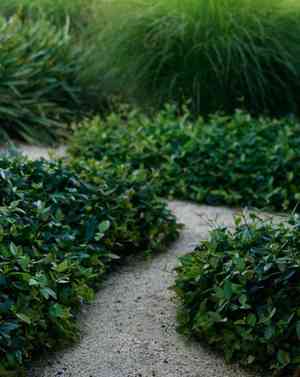
This perennial climber, prized for its lustrous leaves and adaptability, flourishes with consistent trimming to preserve its form and stimulate more compact development. Essential pruning methods involve judiciously thinning congested sections and shaping borders to delineate garden beds or walkways. The most favorable periods for pruning are early spring and late winter, preparing asiatic jasmine for vigorous expansion. Routine pruning averts tangling, improves aesthetics, and can revitalize mature specimens, guaranteeing vitality and luxuriant foliage.
Advantages of Trimming Asiatic Jasmine
Advantages of Trimming Asiatic Jasmine
Trimming asiatic jasmine promotes robust development and maintains its intended form. Cutting back excess growth revitalizes the plant, ensuring thick, abundant foliage and a neat garden presence.
Optimal Time for Trimming Asiatic Jasmine
Optimal Time for Trimming Asiatic Jasmine
These periods are considered ideal for trimming asiatic jasmine as they precede the plant's active growth phase. Pruning in late winter allows gardeners to shape the plant and eliminate any branches damaged by cold or disease before new growth emerges. This timing avoids unnecessary stress on the plant, ensuring it can direct its energy towards developing healthy new shoots in spring. Additionally, early spring pruning, after the last frost but before new growth starts, helps maintain the desired size and prevents the plant from becoming overgrown. This timing also avoids cutting off flower buds, which formed in the previous season, thereby preserving the ornamental value of asiatic jasmine. By adhering to these guidelines, gardeners can encourage vigorous growth and maintain the plant's aesthetic appeal while ensuring its overall health.
Required Tools for Trimming Asiatic Jasmine
Hand Pruners
Given asiatic jasmine's moderate stem thickness, hand pruners are perfect for making clean cuts on stems up to 3/4 inch thick, fostering healthy growth and preventing disease.
Pruning Shears
Asiatic jasmine can spread widely and may need shaping or removal of surplus growth. Pruning shears are excellent for precisely shaping the vine.
Hedge Shears
For larger trimming tasks or when asiatic jasmine is used as ground cover, hedge shears enable quick and uniform cutting over a broader area.
Loppers
If asiatic jasmine has some older, thicker stems that require removal, loppers provide the necessary leverage for these tougher cuts without harming the plant.
How to Trim Asiatic Jasmine
Step1: Timing Pruning for Growth
Determine the best time of year to prune asiatic jasmine, which should be early spring or after it has finished blooming. This timing is vital for encouraging vigorous growth and ensuring the plant's well-being.
Step2: Tool Preparation and Disinfection
Gather the necessary tools for pruning asiatic jasmine, such as sharp and clean pruning shears, gloves, and potentially a garden fork or spade if root pruning is required. Sanitize the pruning tools to prevent disease transmission.
Step3: 45-Degree Damaged Stem Cutting
Start by removing any damaged stems. Locate the stem's origin point and make a clean cut at a 45-degree angle just above a healthy leaf node. This cut should be made 1/4 inch above the node, ensuring the node itself is not damaged.
Step4: Shaping Overgrown Foliage
Trim overgrown foliage to maintain asiatic jasmine's desired shape and size. Cut back the overgrown branches to a side shoot or leaf node, which will promote branching and denser growth. Avoid excessive pruning, which can stress the plant.
Step5: Dead Vine Removal
Address dead vines by tracing them back to their origin, being careful not to harm any nearby healthy growth. Make clean cuts to remove the entire dead vine, which will enhance asiatic jasmine's overall appearance and health.
Step6: Overall Shape Review
After trimming specific parts, step back to assess asiatic jasmine's overall form. If further shaping is needed, selectively prune to create a uniform shape, keeping in mind the plant's natural growth pattern.
Step7: Ground vs. Vertical Growth Trimming
If asiatic jasmine is used as ground cover, use long-handled shears to evenly trim the foliage, encouraging a dense, mat-like growth. If grown vertically, ensure the vines are securely attached to their support structure.
Step8: Post-Pruning Cleanup
Once pruning is complete, clear away all cuttings and dispose of them responsibly. Decomposing foliage can attract pests or diseases that can harm asiatic jasmine.
Step9: Post-Pruning Plant Care
Lightly water the asiatic jasmine after pruning to help reduce plant stress. Follow up with appropriate care, including watering, mulching, and feeding, to support healthy regrowth.
After-Pruning Care for Asiatic Jasmine
After-Pruning Care for Asiatic Jasmine
Immediately after trimming asiatic jasmine, ensure it's placed in a location with partial shade to prevent stress from intense sunlight. Maintain moderate humidity and a temperature range suitable for growth, typically between 60-80°F. Light watering should follow to keep the soil consistently moist, but avoid waterlogging. Provide a balanced, slow-release fertilizer to aid recovery and robust growth. Monitor asiatic jasmine for yellowing leaves, die-back, or signs of infection, which would necessitate reduced watering, improved air circulation, or fungicide application as needed.
Common Trimming Errors with Asiatic Jasmine
Excessively Aggressive Pruning Can Harm Plant Health
Trimming too aggressively, which can stress asiatic jasmine and potentially weaken its overall health and growth.
Dull, Dirty Tools Cause Jagged Cuts and Disease
Not using sharp, clean tools, which can result in jagged cuts and increase the risk of disease and pest infestation.
Ignoring Plant's Growth Habit Leads to Unnatural Shape
Disregarding the plant's natural growth habit and pruning without a clear objective, leading to an unnatural appearance or damage to the plant's structure.
Not Removing Dead Growth Inhibits Plant Vigor
Failing to remove dead or diseased growth, which can hinder new growth and negatively impact the plant's vitality.
General Trimming Advice for Asiatic Jasmine
Clean, Sharp Cuts with Sanitized Tools for Healthy Healing
Utilize sharp, sanitized pruning tools to make clean cuts that asiatic jasmine can heal from more easily and to prevent disease spread.
Remove Dead Foliage to Boost Growth and Airflow
Focus on removing any dead, damaged, or diseased foliage to encourage healthier, more vigorous growth and enhance air circulation within the plant.
Prune to Natural Shape for Aesthetic and Healthy Growth
Trim asiatic jasmine to maintain its desired shape and size, taking care to preserve its natural form for aesthetic appeal and to support its growth pattern.
Selective Cuts for Branching and Denser Foliage
When shaping asiatic jasmine, make selective cuts to promote branching and denser foliage, which improves the plant's fullness and coverage.
Gradual Rejuvenation Pruning Lessens Plant Stress
If rejuvenation is necessary, perform gradual renewal pruning over several seasons rather than all at once, to minimize stress and shock to asiatic jasmine.



