How to Prune California nutmeg?
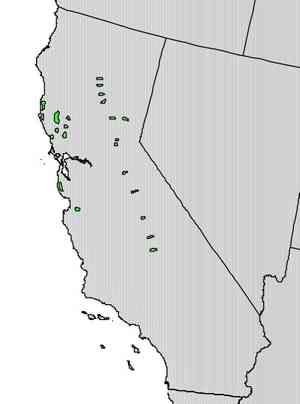
Distinguished by its resemblance to yew trees and its consumable seeds, california nutmeg thrives with judicious trimming during its winter resting phase. Eliminate any lifeless or ailing branches and shorten excessively long limbs to preserve its form and encourage air movement. Restrict pruning to excising no more than one-third of the crown to prevent undue strain on the tree. Appropriate trimming boosts vitality and yield prospects, all while acknowledging the gradual development pattern of california nutmeg.
What Are the Benefits of Pruning California Nutmeg?
What Are the Benefits of Pruning California Nutmeg?
Trimming california nutmeg promotes robust development and helps maintain its desired shape. Strategic cuts enhance light penetration and air circulation, fostering a strong structure and preventing illness.
What Is the Best Time for Pruning California Nutmeg?
What Is the Best Time for Pruning California Nutmeg?
The optimal periods for pruning or trimming california nutmeg coincide with its dormant phase, typically from late winter to early spring. This timing minimizes plant stress, allowing it to recover from cuts before spring's vigorous growth. It also prevents pruning cuts from exposing the plant to extreme cold, which can occur in mid-winter. Furthermore, pruning during this time reduces the risk of disease transmission, which is more prevalent in wetter seasons. Pruning before new growth begins ensures the plant's energy reserves are directed towards developing desired branches and foliage, rather than sustaining unnecessary parts. This period also offers gardeners a clearer view of the plant's structure, due to the absence of leaves, enabling more precise and effective pruning decisions.
What Tools Do I Need to Prune California Nutmeg?
Hand Pruners
These are ideal for making clean cuts on small branches and twigs of california nutmeg. They offer precise control, vital for maintaining the plant's health and form.
Lopping Shears
Given the potential size of california nutmeg, these shears are necessary for branches too thick for hand pruners. Lopping shears provide longer handles for increased leverage and reach.
Pruning Saw
For the thickest branches of california nutmeg, a pruning saw ensures clean cuts without harming surrounding growth. This tool is essential for branches thicker than loppers can handle.
Pole Pruner
For higher branches on california nutmeg that are out of reach, a pole pruner allows for trimming without a ladder. This tool combines a saw and a lopper on an extendable pole.
Hedge Shears
If shaping is needed for a hedged california nutmeg, hedge shears may be suitable for trimming smaller twigs and shaping the plant to achieve a desired look.
Gloves and Safety Glasses
Safety is paramount. Gloves protect hands, and safety glasses shield eyes from debris when cutting branches of california nutmeg.
How to Prune California Nutmeg
Identify afflicted branches
Inspect california nutmeg for any dead or diseased branches, identifiable by discoloration, brittleness, or signs of fungal infection.
Sanitization
Sterilize pruning tools with a solution of one part bleach to nine parts water to prevent disease spread during trimming.
Prune diseased branches
Cut diseased branches on california nutmeg back to healthy tissue, making cuts at a 45-degree angle to promote water runoff and prevent decay.
Remove dead branches
Safely remove dead branches from california nutmeg by making clean cuts at the branch collar, the swollen area of trunk tissue that forms at the base of the branch, without damaging the collar itself.
Cleanup
Collect and dispose of all pruned material to minimize the chance of disease spread and apply a thin layer of mulch around california nutmeg to support its recovery.
Common Pruning Mistakes with California Nutmeg
Over-pruning
A frequent error involves removing too much growth, which can stress california nutmeg, leading to weakened defense mechanisms and stunted development.
Improper cut location
Cutting too far from a bud or node can result in dead stubs, while cutting too close can damage the bud. This impairs california nutmeg's ability to heal and encourages disease.
Use of dull tools
Dull pruning tools can cause jagged cuts that heal slowly and may become entry points for pests and diseases in california nutmeg.
Tearing bark
When pruning larger branches, if support is not provided or the proper three-cut method is not used, the weight of the branch can tear the bark, damaging the california nutmeg.
Neglecting sanitation
Not disinfecting tools between cuts or plants can spread diseases to and from california nutmeg, inhibiting healthy growth.
Common Pruning Tips for California Nutmeg
Sharp clean cuts
Use sharp, clean tools to make precise cuts that heal rapidly, reducing the risk of disease and encouraging tidy growth in california nutmeg.
Angle and position
Prune at a 45-degree angle, about 1/4 inch above an outward-facing bud or node, to promote outward growth and prevent water accumulation on the cut surface of california nutmeg.
Branch collar care
When removing larger limbs, always cut just outside the branch collar to facilitate rapid healing and hinder disease entry in california nutmeg.
Selective thinning
Thin out crowded or crossing branches to enhance light penetration and air circulation, which are crucial for the vitality and fruiting capability of california nutmeg.
Judicious cutting
Limit pruning to what is required for shaping and health. Over-pruning can cause undue stress to california nutmeg, harming its long-term vigor.



