How to Prune Chinese mahogany?
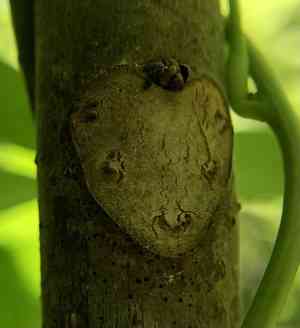
Celebrated for its feathery foliage and aromatic blossoms, chinese mahogany flourishes with consistent trimming. Perform pruning in late winter or early spring prior to the emergence of new shoots. Eliminate deceased or overly dense branches to improve light access and air circulation. Reduce the number of younger stalks to foster a robust, symmetrical framework. Trimming not only preserves visual appeal but also stimulates robust development and fruit production, by directing the plant's vitality toward generating strong, fruitful wood.
What Are the Benefits of Pruning Chinese Mahogany?
What Are the Benefits of Pruning Chinese Mahogany?
Trimming chinese mahogany promotes robust development and preserves its desired form. Precise cuts enhance light penetration and air movement, essential for strong health and growth. This practice also aids in managing chinese mahogany's dimensions, ensuring it fits its designated area, thereby boosting its visual appeal.
What Is the Best Time for Pruning Chinese Mahogany?
What Is the Best Time for Pruning Chinese Mahogany?
Pruning chinese mahogany in late winter is frequently ideal since the plant remains dormant, lessening stress and the chance of sap leakage, which might draw pests or illnesses. This timing allows for the removal of any damaged or diseased wood before new growth begins in spring, ensuring the plant's energy is directed towards healthy branches. Early spring pruning, just prior to the emergence of new growth, also helps shape the plant, stimulate growth in the desired direction, and maintain the health and structure of chinese mahogany. It's crucial to avoid pruning during autumn as cuts may not heal before cold weather sets in, potentially leading to frost damage at the cut sites. During the active growing season, especially when chinese mahogany is flowering or fruiting, pruning should be restricted to removing dead or damaged limbs, as extensive pruning can disrupt these processes.
What Tools Do I Need to Prune Chinese Mahogany?
Hand Pruners
Suitable for cutting small branches and twigs of chinese mahogany, typically up to 3/4 inches in diameter. Perfect for shaping and removing excess foliage.
Loppers
Effective for cutting through thicker branches of chinese mahogany, usually up to 1 1/2 to 2 inches in diameter. Provide leverage and reach for pruning without harming the plant.
Pruning Saw
Essential for managing mature and woody branches of chinese mahogany that exceed 2 inches in diameter. Ensures clean cuts without tearing the bark, which is vital for the health of chinese mahogany.
Hedge Shears
Appropriate for trimming and shaping the foliage of chinese mahogany when a neat appearance is desired. Designed for even, precise cuts on softer, non-woody stems.
Pole Pruner
Recommended for reaching higher branches of chinese mahogany without needing a ladder. Equipped with a lopper or saw attachment to safely prune larger branches from the ground.
How to Prune Chinese Mahogany
Sanitation
Before beginning, sterilize all pruning tools to prevent the spread of disease to chinese mahogany.
Identification
Carefully examine chinese mahogany for dead or diseased branches. Look for branches that appear brown, shriveled, or show visible signs of fungal growth.
Removing Dead Branches
Using sharp and clean pruning shears, cut dead branches at their point of origin or back to a healthy side shoot without cutting into the main trunk.
Removing Diseased Branches
For diseased branches, prune them back to healthy wood, at least several inches below the affected area to ensure all diseased parts are removed.
Disposal
Dispose of all removed material promptly and away from chinese mahogany to ensure that the disease does not spread to other parts of the plant.
Common Pruning Mistakes with Chinese Mahogany
Overpruning
Removing too much foliage from chinese mahogany at once can stress the plant, leading to reduced vigor and potential dieback. Aim to remove no more than one-third of the plant's total growth to maintain its health.
Improper Cut Angles
Cutting branches with incorrect angles can result in water accumulation on the cut surfaces of chinese mahogany, which promotes rot and disease. Make clean cuts at a 45-degree angle, sloping away from the buds, to allow water to run off.
Pruning During Active Growth
Trimming chinese mahogany when it's actively growing can inhibit the development of new shoots and leaves. The focus should be on shaping the plant rather than cutting back during these periods of vigor.
Neglecting Tool Hygiene
Failing to sanitize pruning tools between cuts and plants can spread diseases to chinese mahogany. Clean and disinfect your tools before and after use to minimize this risk.
Flush Cutting
Making cuts too close to the trunk of chinese mahogany removes the branch collar, an area that contains cells crucial for proper wound healing. Always cut just outside the branch collar to promote effective healing.
Common Pruning Tips for Chinese Mahogany
Selective Pruning
Remove only the branches of chinese mahogany that are dead, diseased, or crossing over others, to improve air circulation and reduce the chance of infection.
Thinning Vs. Heading
Utilize thinning cuts, which remove branches at their point of origin, to help maintain chinese mahogany's natural shape. Avoid heading cuts that chop off the end of branches, as these can stimulate dense, bushy growth.
Gradual Rejuvenation
For older or overgrown chinese mahogany specimens, rejuvenate the plant over several seasons rather than all at once, to prevent shock and to sustain the plant's health.
Shape And Structure
Maintain the natural form of chinese mahogany by pruning to encourage horizontal branching, which can enhance fruit production and the aesthetic appeal of the plant.
Early Intervention
Correcting structural issues with chinese mahogany when the plant is young can prevent more severe problems later on. This includes removing competing leaders or weakly attached branches.



