How to Prune Tipu tree?
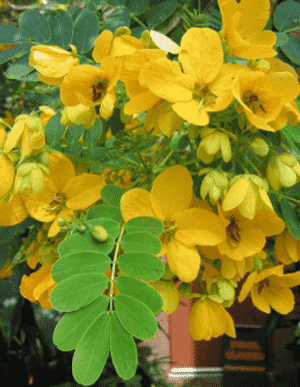
This shedding tree, featuring a broad crown and brilliant yellow flowers, is a vigorous species that needs consistent upkeep. Effective trimming methods include reducing dense branches and eliminating lifeless or infected wood to encourage robust development and airflow. The best periods for pruning are from late winter to early spring, prior to the emergence of new foliage. Pruning during this window aids in preventing strain on the tipu tree and leverages its quick spring growth reaction. This approach not only refines the tree's form but also strengthens its framework against gusts.
Advantages of Trimming Tipu Tree
Advantages of Trimming Tipu Tree
Trimming tipu tree promotes vigorous development and maintains its desired shape. Strategic cuts enhance light penetration and air circulation, crucial for robust health. It also limits excessive growth, ensuring tipu tree remains visually appealing and structurally sound.
Optimal Time for Trimming Tipu Tree
Optimal Time for Trimming Tipu Tree
Trimming tipu tree in late winter or early spring is ideal as the plant is still dormant or just beginning its growth phase. This timing allows for the removal of any cold-damaged branches before the tree expends energy on new growth. Pruning during this period minimizes stress on the tree and encourages a strong burst of spring growth. It also prevents cutting off buds and blossoms set to bloom in the growing season, ensuring the natural flowering cycle is not disrupted. Additionally, since this is before the sap starts running, it results in less bleeding, which can attract pests. Furthermore, pruning during these seasons facilitates rapid healing of the cuts, improving the overall health and structure of tipu tree.
Tools Required for Trimming Tipu Tree
Hand Pruners
For cutting small branches and twigs on tipu tree, hand pruners provide a clean cut without harming the surrounding foliage.
Loppers
With their long handles, loppers offer the leverage needed to prune larger branches that hand pruners cannot manage. They are essential for controlling the size and form of tipu tree.
Pruning Saws
For the thickest branches of tipu tree, pruning saws can cut through wood too large for hand pruners and loppers, ensuring efficient and safe removal.
Pole Pruners
Because tipu tree can grow quite tall, pole pruners are indispensable for reaching and precisely cutting upper branches without using a ladder.
Hedge Shears
For shaping the foliage and maintaining dense hedges of tipu tree, hedge shears can help create a neat and uniform appearance.
Chainsaw
If tipu tree has very thick branches or if substantial reshaping or removal is needed, a chainsaw can be the most effective tool, though it requires caution and protective gear.
How to Trim Tipu Tree
Cleanup
Inspect tipu tree for dead or diseased branches; these are typically discolored, dry, and brittle. Using clean, sharp pruning shears, carefully remove these branches at their point of origin to maintain the health of tipu tree.
Health Assessment
After removing dead and diseased branches, evaluate tipu tree for signs of stress or unusual growth patterns. This helps identify any underlying health issues that may need addressing in addition to pruning.
Crown Thinning
Thin out tipu tree's crown to improve air circulation and light penetration. Selectively prune branches that are overcrowded, cross over others, or rub against each other. Make cuts at a 45-degree angle just above outward-facing buds.
Cleanup Cut
Make clean cuts when removing branches to avoid tearing the bark, which could harm tipu tree. Torn bark can invite pests and disease, potentially compromising the plant's health.
Wound Dress
Ensure all cuts are clean and smooth to promote efficient healing. Do not apply wound dressings, as they can interfere with tipu tree's natural healing processes. Monitor pruned areas for signs of decay or infection over time.
Common Trimming Errors with Tipu Tree
Over-Pruning
Removing too much foliage from tipu tree can weaken the plant, making it susceptible to pests and diseases. Novices often remove more than the recommended 25-30% of the canopy in a single session.
Improper Cut Locations
Incorrectly cutting tipu tree branches either too close or too far from the trunk can lead to poor healing and potential disease entry. Cuts should be made just outside the branch collar, not on it or several inches away.
Unnecessary Topping
Topping, or cutting off the upper part of tipu tree, can result in weak new growths that are prone to damage. It also ruins the natural shape and can lead to health issues for the tree.
Ignoring Dead Wood
Failing to remove dead or diseased branches from tipu tree during pruning can invite decay and pests, which may spread to healthy parts of the tree.
Incorrect Tool Use
Using dull or inappropriate tools can damage tipu tree's branches, leading to rough cuts that prevent proper healing. Properly maintained, sharp tools are essential for clean cuts.
General Trimming Advice for Tipu Tree
Sharp Tools
Ensure that all pruning tools are sharp and clean to make precise cuts that heal quickly without unnecessary damage to tipu tree.
Selective Pruning
Thin out tipu tree's canopy by selectively removing branches to promote better air circulation and light penetration, focusing on dead, crossing, or competing branches.
Branch Angle
When selecting branches to prune on tipu tree, choose limbs with wider angles as they are stronger. Narrow, V-shaped angles are weaker and more prone to breaking.
Gradual Pruning
For an extensive pruning project on tipu tree, spread it out over several years to prevent stress and give the plant time to recover, especially for mature specimens.
After-Care
Post-pruning, provide tipu tree with adequate water and possibly a balanced fertilizer to support recovery and healthy regrowth, but avoid over-fertilizing.



