How to Prune Spanish moss?
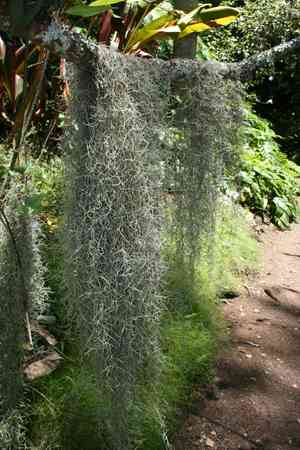
This aerial plant, characterized by its silvery-grey filaments, hangs gracefully from tree limbs. To trim Spanish moss, carefully detach any deceased or discolored foliage and excessively long portions, preferably in early spring or late winter for revitalization. Cutting encourages airflow and development. Employ sterile, sharp shears, and snip near the primary stalk to preserve its form. Pruning, a task infrequently needed due to its gradual expansion, enhances the plant's well-being and visual charm.
What Are the Benefits of Pruning Spanish Moss?
What Are the Benefits of Pruning Spanish Moss?
Trimming spanish moss promotes vigorous development and maintains its desired form, ensuring the plant stays lively and manageable within its growing area.
What Is the Best Time for Pruning Spanish Moss?
What Is the Best Time for Pruning Spanish Moss?
These periods are considered ideal as they precede spanish moss's active growth phase when the plant isn't yet allocating resources to new growth. Pruning in late winter or early spring allows gardeners to clear any accumulated debris or dead material without hindering the emergence of new growth. This timing also prevents interference with the photosynthesis process, vital during the plant's active growing season. Furthermore, pruning during this dormant stage helps maintain plant health and shape without risking inhibition of flowering or fruiting cycles, as spanish moss typically blooms in late spring or summer.
What Tools Do I Need to Prune Spanish Moss?
Sharp scissors or small gardening shears
Given spanish moss's delicate and slender structure, employing sharp scissors or small gardening shears provides precise cuts without harming the plant.
Gloves
Handling spanish moss with gloves safeguards hands from potential skin irritation and offers improved grip during pruning.
Waste basket or bin
Having a designated container for immediate disposal of trimmed spanish moss parts ensures tidiness and efficiency throughout the pruning operation.
How to Prune Spanish Moss
Step1: Health Evaluation
Assess the condition of spanish moss before pruning. Look for dead, discolored, or overly tangled strands, as these are typically the areas needing attention.
Step2: Gentle Handling
Handle spanish moss carefully to prevent damage to healthy sections. Use your fingers to separate the strands you intend to trim from the rest.
Step3: Precise Cutting
Using clean, sharp scissors or pruning shears, snip the dead strands close to their base or where healthy growth begins. Be cautious not to cut into the green, living parts unless reshaping is necessary.
Step4: Minimal Pruning
Remove a small amount of material at a time. It's better to prune too little and re-evaluate than to cut too much and potentially harm spanish moss.
Step5: Proper Disposal
Dispose of the removed portions in a manner that prevents them from reattaching to spanish moss or growing in unwanted locations.
Step6: Stability Check
After pruning, verify any changes in spanish moss's attachment to its support, if applicable, and reinforce as needed for stability.
Step7: Post-Pruning Care
Monitor spanish moss after pruning for any signs of stress or damage and provide appropriate care, such as adjusting its location for optimal light and humidity or misting if it appears dry.
Post-Pruning Care for Spanish Moss
Post-Pruning Care for Spanish Moss
Immediately after trimming spanish moss, mist with water to hydrate and lessen shock. Ensure spanish moss is placed in bright, indirect light with ample air circulation to aid healing. Maintain high humidity and a temperature range of 50-80°F. Apply a diluted, balanced fertilizer monthly to support regrowth. Regularly inspect spanish moss for brown or black spots indicating stress or infection, removing affected areas promptly. Adjust care as necessary for healthy growth.
Common Pruning Mistakes with Spanish Moss
Avoid excessive removal during spanish moss pruning
Over-pruning is a frequent error with spanish moss, which can severely harm or stress the plant. Those unfamiliar with its growth habit might remove too much at once, believing it will encourage denser growth.
Clean tools before pruning spanish moss to prevent infection
Using dirty or unsterilized pruning tools can introduce pathogens to spanish moss, leading to infection. Ensuring tools are clean before pruning is essential.
Use gentle pruning methods on spanish moss to prevent damage
Some gardeners may aggressively pull or tear at spanish moss instead of using a gentle method, which can damage the plant's delicate structure and affect its natural appearance.
Prune only dead material from spanish moss to sustain health
Neglecting to remove only the brown or dead material from spanish moss during pruning is another mistake. Healthy green parts should remain untouched to ensure the plant continues to thrive.
Prune spanish moss considering airflow and light for health
Failing to consider the air flow and light penetration when pruning spanish moss can lead to poor growth conditions, as these are crucial factors for the health of air plants.
Common Pruning Tips for Spanish Moss
Use sharp, clean tools for precise spanish moss pruning cuts
Employ sharp and clean scissors or shears for trimming spanish moss to make precise cuts while minimizing harm to healthy parts of the plant.
Thin spanish moss by removing dead strands, not shortening
Focus on thinning rather than shortening when pruning spanish moss. Remove any brown or dead strands by gently pulling them away from the clump to maintain the plantâs aesthetic and health.
Prune spanish moss respecting its natural drape and shape
Consider the natural shape and drape of spanish moss when pruning to enhance its ornamental value. Aim to preserve its flowing, curtain-like appearance.
Regularly remove dead material from spanish moss for well-being
Regularly inspect spanish moss for dead or decaying matter, which will help reduce the need for extensive pruning and supports its overall well-being.
Handle spanish moss carefully during pruning to avoid damage
Handle spanish moss with care during the pruning process. Its tendrils are delicate, and rough handling can cause unnecessary breakage or damage.
Ensure good air flow for spanish moss after pruning for healing
After pruning, hang or display spanish moss in an area with good air circulation. This ensures the pruned areas heal properly and reduces the risk of rot.



