How to Prune Sky plant?
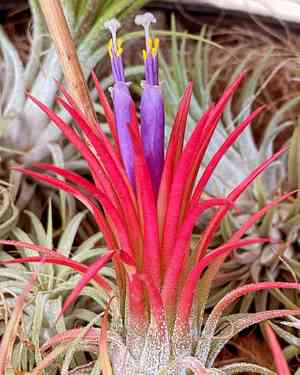
This aerial plant, an epiphyte, is recognized for its vivid leaves that acquire a reddish hue when flowering. For sky plant, pruning entails removing withered or discolored leaves from the base with disinfected shears, thereby promoting robust development and air movement. The most effective time for pruning is from late winter to early spring, coinciding with its natural growth period. Consistent trimming deters decay and stimulates flowering, while also preserving its neat, appealing form.
What Are the Benefits of Pruning Sky Plant?
What Are the Benefits of Pruning Sky Plant?
Trimming sky plant promotes vigorous development and maintains an attractive form, ensuring the plant stays compact and visually appealing while potentially boosting its overall health.
What Is the Best Time for Pruning Sky Plant?
What Is the Best Time for Pruning Sky Plant?
These periods are considered ideal for trimming sky plant due to various factors related to its growth cycle and well-being. Early spring is when sky plant emerges from dormancy and begins a new growth phase. Pruning then can stimulate growth and help shape the plant as it enters its active period. Late winter, just before spring, is another good time for pruning. The plant is still dormant, so trimming will have minimal stress impact. Removing dead or excess foliage at this time improves air circulation and light exposure, beneficial as the plant prepares for its growing season. These timing guidelines aim to avoid disrupting sky plant's flowering, which typically occurs between late winter and mid-spring. By pruning just before or at the start of the growth cycle, one can ensure sky plant's health and prevent cutting off developing flower buds.
What Tools Do I Need to Prune Sky Plant?
Small Precision Scissors
Given sky plant's delicate and small stature, small precision scissors or snips are perfect for carefully removing dead or dying leaves. Their sharp blades allow for accurate cuts without harming the healthy sections of sky plant.
Tweezers
Sky plant may have smaller, more intricate areas that are hard to reach with scissors. Tweezers can be used to gently pluck away any dead or decaying material without disturbing the rest of the plant.
Gloves
Wearing gloves can improve tool grip and protect the gardener's hands; although sky plant lacks sharp edges or thorns, gentle handling is advised for both the plant's and gardener's safety.
Cleaning Cloth
Keeping pruning tools clean is vital to prevent disease spread. A damp cloth can be used to wipe down scissor or tweezer blades after trimming sky plant to maintain hygiene and tool longevity.
Disinfectant
Applying a disinfectant to pruning tools before and after use will help prevent the transmission of any pathogens to or from sky plant. Alcohol wipes or a bleach and water solution can be used for this purpose.
How to Prune Sky Plant
Step1: Identify Dead and Unhealthy Parts
Examine sky plant thoroughly to pinpoint all sections requiring trimming. This involves looking for dead leaves and brown tips, which are the areas targeted for removal in this instance.
Step2: Tool Preparation and Sterilization
Prepare your pruning tools. Use sharp, clean scissors or pruning shears. Sterilize the blades with rubbing alcohol or a bleach solution to prevent disease spread.
Step3: Hydrate Plant Before Pruning
Lightly mist sky plant with water if it's not already well-hydrated. This can make the leaves more flexible and easier to prune without causing cracks or tears.
Step4: Remove Dead Leaves at Base
Carefully remove dead leaves by grasping them near their base where they emerge from the central rosette. Pull gently; if they don't detach easily, use scissors to make a clean cut at the base without damaging healthy parts.
Step5: Trim Brown Leaf Tips Cleanly
Trim brown tips by snipping them off cleanly with your scissors. Aim to cut just above where the browning begins, removing as little healthy tissue as possible while giving sky plant a tidy appearance.
Step6: Dispose of Pruned Plant Material
Discard all removed plant material to prevent any potential disease or pest from affecting sky plant or other plants.
Step7: Monitor Plant's Post-Pruning Health
Monitor sky plant after pruning to ensure its continued health and to check if further trimming is needed in the future. Allow sky plant to recover from the pruning without excessive disturbance during this period.
Post-Pruning Care for Sky Plant
Post-Pruning Care for Sky Plant
Immediately after trimming sky plant, ensure bright, indirect light to aid healing. Maintain high humidity and temperatures between 60-80°F for recovery. Minimize watering for the first week to prevent rot at cut sites. Apply a balanced, diluted fertilizer monthly to support regrowth. Regularly inspect sky plant for signs of distress or infection, such as discoloration or a foul odor. If observed, reduce moisture and consult a specialist for potential treatment options.
Common Pruning Mistakes with Sky Plant
Overly Aggressive Pruning
Trimming too aggressively, removing healthy leaves and stems, which can stress sky plant and hinder its growth.
Using Dull or Dirty Tools
Employing dull or unclean pruning tools that can harm plant tissue and introduce disease to sky plant.
Incorrect Central Rosette Pruning
Trimming the central part of the rosette where new leaves and flowers develop, which can prevent sky plant from thriving.
Excessive Healthy Foliage Removal
Failing to remove only brown or dead foliage and trimming too much of the green, viable parts, potentially harming sky plant's vitality.
Neglecting to Thin Offshoots
Ignoring the offshoots or 'pups' that sky plant produces, leading to overcrowding and reduced air circulation around the parent plant.
Common Pruning Tips for Sky Plant
Use Sharpened, Sterile Pruning Tools
Utilize sharp, sterilized cutting tools to make clean cuts and avoid transferring pathogens to sky plant.
Prune Dead Leaves Without Harming Greens
Trim only the dead or dying leaves at the plant's base by gently pulling them away, ensuring not to damage the healthy, green parts essential for photosynthesis.
Proper Pup Removal for Plant Health
Encourage new growth and help maintain sky plant's attractive shape by carefully removing the pups when they are about one-third the size of the parent plant.
Regular Health Monitoring and Leaf Removal
Monitor the plant's health and appearance regularly, removing unsightly leaves to improve aesthetics and promote better air flow around sky plant.
Considerate Cutting to Preserve Rosette
Consider each cut's impact on the rosette pattern and overall plant health, being cautious not to disturb the central growth point.



