How to Prune Large-leaved lime?
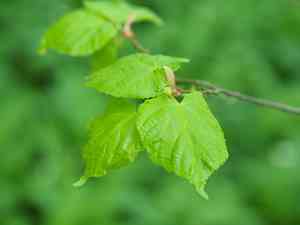
The large-leaved lime, a deciduous tree recognized for its expansive foliage and aromatic blossoms, thrives with judicious trimming to preserve its form and well-being. Essential methods involve reducing dense branches and eliminating deceased or ailing wood. The optimal period for pruning is late winter or early spring, prior to the emergence of leaves. Trimming during this timeframe reduces sap leakage, to which this variety is prone, and stimulates robust development. Consistent pruning additionally improves light access and air movement, crucial for the tree's vigor.
Advantages of Trimming Large-leaved Lime
Advantages of Trimming Large-leaved Lime
Trimming large-leaved lime promotes robust development and helps maintain its desired form. Strategic cuts enhance light penetration and air movement, fostering a strong structure and preventing illness. By managing its size, pruning ensures large-leaved lime fits its landscape spot without overcrowding other plants.
Optimal Time for Pruning Large-leaved Lime
Optimal Time for Pruning Large-leaved Lime
Late winter to early spring is considered the best time for pruning large-leaved lime due to several factors. During late winter, large-leaved lime is still dormant before new growth, which minimizes sap bleeding that can weaken the plant. Pruning before the spring growth cycle allows the plant to heal faster and direct energy into new growth, ensuring healthier, more vigorous development. Additionally, this timing makes it easier to spot and remove dead or diseased wood, as the absence of leaves provides better visibility and access. Lastly, cutting back at this time helps avoid interfering with the summer flowering period, promoting better bloom production.
Tools Required for Pruning Large-leaved Lime
Hand Pruners
Perfect for cutting small branches and twigs on large-leaved lime, allowing for accurate cuts and shaping without causing unnecessary harm.
Lopping Shears
Suitable for removing larger branches from large-leaved lime, providing the necessary leverage for clean cuts through thicker growth.
Pruning Saw
Essential for cutting through the thickest branches of large-leaved lime, where hand pruners and lopping shears are insufficient, ensuring a clean cut without tearing the bark.
Pole Pruner
Enables safe pruning of higher branches of large-leaved lime without needing ladders, reducing injury risk.
Secateurs
Ideal for snipping smaller, finer branches and managing the overall form of large-leaved lime, encouraging healthy growth and bloom production.
Pruning Gloves
To protect the gardener's hands from scratches and cuts while shaping large-leaved lime, and to provide a better grip on tools.
How to Prune Large-leaved Lime
Clean Tools
Before starting, sanitize all pruning tools to prevent disease spread. Wipe blades with a disinfectant like alcohol or a bleach solution.
Dead Branches
Identify and remove any dead branches first. Cut dead wood back to live tissue, ensuring a clean cut just above a bud or side branch to promote healthy regrowth.
Diseased Branches
Next, prune diseased branches, cutting well below the affected area. Remove at least several inches into healthy wood to ensure all diseased tissue is eliminated.
Cleanup Cuttings
After trimming, carefully collect and dispose of all large-leaved lime cuttingsâespecially diseased materialâto prevent contamination or spread of disease to other plants.
Post Pruning Care
Following pruning, provide large-leaved lime with appropriate aftercare, such as watering and mulching, to support recovery and vigorous new growth.
Common Pruning Errors with Large-leaved Lime
Overpruning
A common error is removing too much foliage at once, which can stress large-leaved lime and lead to poor growth or vulnerability to diseases.
Improper Cuts
Making cuts too far from, or too close to, the bud can harm large-leaved lime. Cuts should be made at a 45-degree angle just above a bud to promote healthy regrowth.
Tearing Bark
When cutting larger branches, if proper care isn't taken, the branch's weight can tear the bark and damage large-leaved lime. Ensuring a clean cut without tearing is essential.
Pruning Healthy Wood
Unnecessarily cutting away healthy branches can lead to a reduction in flowering and a less aesthetically pleasing shape for large-leaved lime.
Neglecting Dead Wood
Failing to remove dead or diseased branches can invite pests and diseases to large-leaved lime, potentially compromising its health.
General Pruning Advice for Large-leaved Lime
Sharp Tools
Use sharp, clean tools to make precise cuts on large-leaved lime, which will help prevent disease and promote quicker healing.
Selective Thinning
To improve air circulation and allow light to penetrate the canopy, selectively thin out crowded branches from large-leaved lime without compromising the overall structure.
Maintain Natural Shape
When pruning large-leaved lime, aim to maintain its natural shape, which not only enhances its beauty but also supports its overall health.
Prune Wisely
Focus on removing suckers, water sprouts, and any cross-branching to ensure that large-leaved lime channels its energy into healthy growth.
Healing Time
Prune large-leaved lime at a time that allows cuts to heal before either the growing season or the onset of harsher weather, depending on regional climate characteristics.



