How to Prune Small-leaved lime?
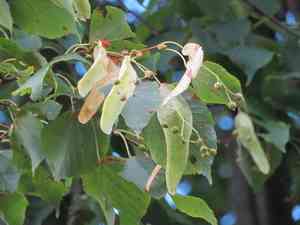
This deciduous tree, recognized for its cordate foliage and aromatic blossoms, thrives with structural pruning in its early stages to develop a robust framework. Consistently eliminate deceased, injured, or intersecting branches to preserve its well-being. The most favorable periods for pruning are from late winter to early spring, while small-leaved lime is inactive. Pruning at this time reduces sap exudation, a common issue for small-leaved lime, and stimulates robust new development. Routine thinning can additionally enhance light penetration and air movement, thereby improving foliage quality and general vigor.
What Are the Benefits of Pruning Small-leaved Lime?
What Are the Benefits of Pruning Small-leaved Lime?
Trimming small-leaved lime promotes more vigorous development by eliminating dead or weak limbs, which enhances sunlight exposure and air circulation. Regular pruning helps small-leaved lime maintain its form, fostering a compact and visually appealing structure.
What Is the Best Time for Pruning Small-leaved Lime?
What Is the Best Time for Pruning Small-leaved Lime?
These periods are considered ideal for pruning small-leaved lime due to various factors. Pruning in late winter aligns with small-leaved lime's dormant phase, making the plant less vulnerable to stress and disease transmission via cuts. This timing minimizes sap loss, which is more significant in small-leaved lime during active growth. Pruning in early spring, just before new growth begins, allows for the removal of winter-damaged branches, providing a clear structure for the upcoming season. This also avoids disrupting the flowering cycle, as small-leaved lime flowers on old wood. Additionally, early detection and removal of any diseased or damaged wood at this time support small-leaved lime's overall health and vigor, preparing it for the growing season.
What Tools Do I Need to Prune Small-leaved Lime?
Hand Pruners
Perfect for cutting slender twigs and branches on small-leaved lime. They provide a clean cut, crucial for plant health.
Loppers
Suitable for branches too thick for hand pruners but not requiring a saw. They offer leverage and reach for branches up to 2 inches in thickness.
Pruning Saw
Essential for thicker, mature branches of small-leaved lime that hand pruners and loppers cannot manage. Available in various sizes for different thicknesses.
Pole Pruners
Useful for reaching elevated branches without a ladder. They allow for distant pruning of small-leaved lime's taller specimens.
Hedge Shears
Applicable for shaping and forming small-leaved lime's hedges, these shears enable straight, clean cuts across multiple twigs and soft shoots.
Personal Protective Equipment
Crucial for safety when pruning small-leaved lime. Includes gloves, safety goggles, and sometimes a hard hat to guard against falling debris.
How to Prune Small-leaved Lime
Step1: Assess Plant Structure
Examine small-leaved lime's structure to identify dead wood, damaged branches, and areas of excessive growth. This should be done in late winter or early spring before the growing season starts.
Step2: Disinfect Pruning Tools
Sanitize pruning tools with rubbing alcohol or a bleach solution to prevent disease spread. Ensure tools are sharp for precise cuts.
Step3: Remove Dead Wood
Begin by removing all dead wood. Cut dead branches back to living tissue, identifiable by green under the bark. Make the cut at a slight angle, just above a healthy outward-facing bud or a lateral branch.
Step4: Prune Damaged Branches
Next, prune damaged branches, removing them back to the point of healthy, undamaged tissue. If partially damaged, cut just above an outward-facing bud or node to encourage healthy regrowth.
Step5: Control Excessive Growth
Address excessive growth to maintain small-leaved lime's desired size and shape. Remove any branches that cross over others and any that grow inward toward the tree's center, to ensure good air circulation and sunlight penetration.
Step6: Shape with Directional Pruning
When shortening a branch for shaping or size control, cut just above a lateral branch or bud that points in the direction you want new growth to follow.
Step7: Three-Cut Method for Large Branches
For larger branches, use the three-cut method to prevent bark tearing: Make a notch on the underside of the branch, outside the branch collar, then a second cut from the top down, several inches out from the notch. Finally, remove the stub by cutting just outside the branch collar.
Step8: Canopy Thinning for Light and Air
Thin out small-leaved lime's canopy to ensure light and air reach all parts of the tree. Do this by removing some of the smaller branches at their point of origin on larger ones.
Step9: Debris Cleanup
After pruning, clear away all cuttings from small-leaved lime's base to prevent any potential for disease.
Step10: Post-Pruning Watering and Fertilization
Water small-leaved lime after pruning to aid recovery and apply a balanced, slow-release fertilizer if growth appears weak or foliage color is pale.
Step11: Monitor Plant Health Post-Pruning
Monitor small-leaved lime for signs of stress or disease after pruning and take necessary action to maintain its health.
Post-Pruning Care for Small-leaved Lime
Post-Pruning Care for Small-leaved Lime
Immediately after pruning small-leaved lime, ensure wound areas are clean to prevent infection. Optimize light exposure for recovery, avoiding direct intense sunlight. Maintain ambient humidity and stable, moderate temperatures. Implement a balanced fertilization regimen to support regrowth; avoid over-fertilization, which can stress small-leaved lime. Monitor for wilting or discoloration, indicative of stress or disease. If symptoms occur, address with targeted plant healthcare interventions.
Common Pruning Mistakes with Small-leaved Lime
Excessive Canopy Removal
Over-pruning, which involves removing too much of small-leaved lime's canopy at once, potentially stressing the tree and hindering its growth.
Using Dull or Dirty Pruning Tools
Using dull or unclean tools, leading to jagged cuts that can invite disease and pests, or spread diseases between plants.
Improper Cuts Damaging Branch Collars
Cutting too close to the main trunk or branch, thereby harming the collar, which can impede proper healing and lead to decay.
Neglecting Diseased or Dead Branches
Ignoring weak, diseased, or dead branches, which can compromise the tree's health and aesthetic appeal.
Harmful Tree Topping Practices
Topping or severely cutting back the canopy, which can contribute to weak regrowth, increased vulnerability to pests and diseases, and overall structural instability.
Common Pruning Tips for Small-leaved Lime
Sanitize Tools to Prevent Disease Spread
Sanitize pruning tools before and after use on small-leaved lime to prevent the spread of diseases and ensure clean cuts that heal more efficiently.
Correct Cutting Above Buds for Outward Growth
Make cuts just above healthy buds, angled away from small-leaved lime's center, to promote outward growth and maintain the tree's natural shape.
Canopy Thinning for Better Light and Air
Thin out dense areas of the canopy to improve light penetration and air circulation throughout small-leaved lime, encouraging strong growth and reducing disease risk.
Remove Crossing Branches to Preserve Shape
Prune out any crossing, rubbing, or inward-growing branches to maintain a strong branch structure and prevent damage to small-leaved lime's overall form.
Conserve Main Branch Structure During Pruning
Retain the framework of older, well-established branches, focusing on the removal of secondary growth that is weak, damaged, or diseased, to maintain the health and structural integrity of small-leaved lime.



