How to Prune Amur lime?
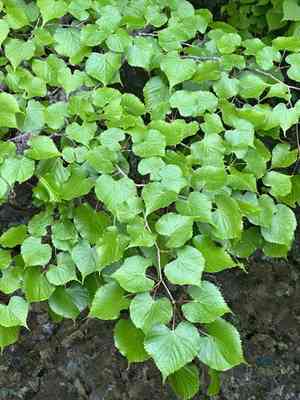
Tilia amurensis, recognized for its aromatic blossoms and cordate foliage, flourishes with appropriate trimming. To foster robust development, conduct pruning in late winter or early spring prior to foliation. Eliminate deceased or ailing limbs, sculpt the crown via thinning cuts, and decrease branch thickness to facilitate light infiltration. Trimming improves air movement, diminishes infestations, and preserves the structural soundness of Tilia amurensis. Aim for a harmonious, organic shape, emphasizing both practical and visual results.
What Are the Benefits of Pruning Amur Lime?
What Are the Benefits of Pruning Amur Lime?
Trimming amur lime promotes more robust, vigorous development and maintains its desired form. It aids in revitalizing older specimens, fostering new growth that enhances the plant's aesthetic appeal and structural soundness.
What Is the Best Time for Pruning Amur Lime?
What Is the Best Time for Pruning Amur Lime?
Pruning or trimming amur lime during late winter or early spring is optimal as it marks the end of its dormant phase, yet precedes the commencement of the new growth cycle. Trimming in late winter ensures that any damage from cold weather can be addressed without impacting spring growth. Early spring pruning, just before new shoots emerge, allows gardeners to shape amur lime while minimizing the risk of sap bleeding, which is less pronounced at this time. This timing also prevents the removal of developing flower buds, ensuring that seasonal blooming is not compromised. Furthermore, pruning during these recommended periods enables the plant to repair and initiate new growth more effectively, thereby sustaining its health and vitality.
What Tools Do I Need to Prune Amur Lime?
Bypass Pruners
Perfect for making clean cuts on smaller branches of amur lime, which encourages healthier development.
Loppers
Amur lime's thicker branches can be easily severed with loppers, which provide the necessary leverage for clean cuts without harming the tree.
Pruning Saw
For the largest branches, a pruning saw will be essential to manage their size and ensure precise cuts with minimal damage to amur lime.
Pole Pruner
To reach higher branches of amur lime without using a ladder, a pole pruner offers extended reach.
Hedge Shears
If shaping is required, especially for younger or smaller amur lime specimens, hedge shears can create neat, uniform lines.
How to Prune Amur Lime
Identification
Inspect amur lime for any dead or diseased branches, as these are the primary targets for removal.
Sanitation
Clean pruning tools with a solution of 1 part bleach to 9 parts water to prevent the spread of disease during the pruning process.
Cutting dead branches
Use sharp, clean pruning shears to cut dead branches at the point where they meet healthy wood, ensuring the cut is clean and leaves no stubs.
Cutting diseased branches
Trim diseased branches several inches into healthy tissue to ensure all parts of the disease are removed; dispose of these branches away from amur lime to avoid recontamination.
Wound care
Apply a thin layer of pruning sealant on cuts larger than 1 inch in diameter to protect amur lime from pests and diseases.
Common Pruning Mistakes with Amur Lime
Overpruning
Removing too much growth at once, which can stress amur lime and diminish its vigor.
Cut positioning
Making cuts either too close or too far from the bud, risking either injury to the bud or leaving a stub that can encourage rot.
Wrong angle
Cutting at an improper angle that doesn't promote water runoff, potentially leading to disease.
Tool bluntness
Using dull tools, which can lead to jagged cuts and damage amur lime's branches, making them more susceptible to diseases.
Neglecting diseased limb removal
Overlooking the removal of dead or diseased limbs, which can harbor pests and diseases that may spread to healthy parts of the plant.
Improper disinfection
Failing to disinfect tools between cuts, particularly when moving from an infected part of the plant to a healthy one. This can spread disease throughout amur lime.
Shearing for shape
Shearing amur lime into unnatural shapes that can compromise its natural growth patterns and health.
Common Pruning Tips for Amur Lime
Sharp tools
Always use sharp, clean pruning shears or saws to make clean cuts that heal quickly and reduce stress on amur lime.
Cutting angle
Make cuts at a 45-degree angle about 1/4 inch above a bud facing the outside of the plant to encourage outward growth and prevent water from accumulating on the cut surface.
Clean tools
Disinfect pruning tools before moving to another plant or after cutting diseased material to prevent the spread of pathogens to amur lime.
Pruning amount
Gradually prune over several seasons if significant reduction is needed. Generally, don't remove more than one-third of amur lime's living tissue in a single season to avoid shock.
Deadwood removal
Regularly remove dead, damaged, or diseased wood to maintain the health and appearance of amur lime. This can be done at any time without affecting amur lime's overall health.
Thinning
Thin out crowded branches to increase light penetration and air circulation, enhancing amur lime's health and reducing the risk of disease.
Lower branches pruning
Consider removing lower branches as amur lime matures for easier maintenance and to allow for pedestrian traffic or lawn maintenance beneath the canopy.



