How to Prune Princess flower?
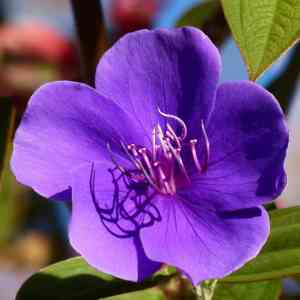
This wide-leaved evergreen bush, recognized for its sizable violet blossoms and plush leaves, flourishes with appropriate trimming. For princess flower, each year eliminate deceased or frail shoots in early spring and following blooming to foster a fuller shape and more flowers. Cut back branches harmed by frost during the winter season. Trimming guarantees abundant foliage and channels vitality to sound portions, improving the exhibition of vivid flowers and vigorous development.
What Are the Benefits of Pruning Princess Flower?
What Are the Benefits of Pruning Princess Flower?
Trimming princess flower encourages more prolific blooming, leading to a fuller, more vivid display. It also aids in the early detection and removal of any pests or diseases, preserving princess flower's health and vitality.
What Is the Best Time for Pruning Princess Flower?
What Is the Best Time for Pruning Princess Flower?
In early spring, princess flower is actively growing, making it an ideal period for pruning to stimulate vigorous new growth and to shape the plant. Pruning at this time ensures that new shoots have ample opportunity to mature and harden before colder weather arrives. Additionally, removing any winter frost damage helps maintain the plant's health and look. During winter, the plant is dormant, which is a good time to prune without significantly stressing princess flower. This timing allows for the removal of dead or diseased wood, and since the plant is not actively growing, there is a reduced risk of sap loss and disease transmission.
What Tools Do I Need to Prune Princess Flower?
Hand Pruners
Ideal for making clean cuts on princess flower's smaller stems and branches; perfect for shaping and eliminating dead or diseased wood.
Loppers
Offer leverage for cutting through princess flower's thicker branches, typically those too large for hand pruners.
Pruning Saw
Crucial for managing princess flower's mature branches; the saw enables precise cutting of thicker growth without harming the plant.
Shears
Useful for trimming and shaping princess flower's foliage; allows for uniform, aesthetic cuts when creating the desired shrub shape.
Gloves
Protect hands from scratches and potential skin irritants during princess flower pruning.
Wound Dressing
Apply to large cuts on princess flower to guard against diseases and pests; however, its use should be minimal as princess flower typically heals well naturally.
How to Prune Princess Flower
Step1: Prepare Tools for Pruning
Start by gathering clean, sharp pruning shears and gloves to protect your hands. Sanitize your tools with rubbing alcohol or a household disinfectant to prevent disease spread.
Step2: Identify Dead Branches
Examine princess flower for dead branches, which are usually brittle, leafless, and discolored. Dead branches can be identified by scratching a small piece of bark. If it's green underneath, the branch is alive; if it's brown and dry, the branch is dead.
Step3: Cutting Technique for Dead Branches
To remove dead branches, make cuts at a 45-degree angle approximately 1/4 inch above a live bud or node, or back to the main stem. Avoid leaving a stub, as this can promote decay and disease.
Step4: Old Flower Removal
For old flowers, use pruning shears to snip off the flower head just above the first set of leaves below the bloom. This will encourage princess flower to produce new flowers as it prevents the plant from expending energy on seed production.
Step5: Optimal Pruning Time
Prune old flowers and dead branches in late winter or early spring before new growth begins. This timing will help ensure a clean shape and promote healthy buds and flowering.
Step6: Clean Up Pruning Debris
After pruning, clear away all cuttings from the base of princess flower to reduce the likelihood of fungal diseases and pests using the debris as a breeding ground.
Step7: Watering After Pruning
Water princess flower thoroughly after pruning to help the plant recover and stimulate new growth.
Step8: Post-Pruning Fertilization and Monitoring
Monitor princess flower after pruning and fertilize if needed to provide nutrients for new growth. Follow specific fertilizer recommendations for princess flower to avoid over-fertilization, which can harm the plant.
Post-Pruning Care for Princess Flower
Post-Pruning Care for Princess Flower
Immediately after pruning princess flower, water the plant gently to reduce stress and encourage recovery. Place princess flower in an environment with bright, indirect sunlight and maintain consistent humidity, avoiding drastic temperature changes. Apply a balanced, slow-release fertilizer to support new growth. Regularly inspect princess flower for any signs of stress or disease, such as wilting or discolored leaves, and promptly address issues by adjusting care or consulting an expert if necessary.
Common Pruning Mistakes with Princess Flower
Over-pruning Reduces Flowering
Excessive pruning can lead to a significant decrease in flowering since princess flower blooms on new wood, and removing too many branches may limit this growth.
Cutting Into Old Wood Hinders Sprouting
Cutting into old wood can be detrimental because princess flower may not readily sprout from old growth, which could impede the plant's recovery and future bloom potential.
Dull Tools Cause Jagged Cuts and Disease Risk
Using dull or dirty pruning tools could harm princess flower by creating jagged cuts that are more vulnerable to disease and pest infestations.
Neglecting Pruning Leads to Leggy Plants
Not pruning at all could cause princess flower to become leggy and sparse, with fewer blooms and an unattractive shape.
Improper Cut Placement Can Cause Damage
Making cuts too close to the remaining bud risks damage, whereas leaving too much of a stub can encourage rot and disease.
Common Pruning Tips for Princess Flower
Use Clean, Sharp Tools for Healthy Cuts
Utilize clean and sharp pruning tools to make clean cuts on princess flower, which aid in quick healing and reduce plant stress.
Thin Crowded Branches for Better Health and Blooms
Thin out crowded branches to improve air circulation and light penetration, which will benefit princess flower's overall health and enhance blooming.
Deadhead Spent Flowers to Boost Blooming
Regularly deadhead spent flowers to encourage princess flower to produce more blooms and maintain a neat plant appearance.
Cut Above Outward-Facing Buds for Directional Growth
Locate the point where the leaf joins the stem, and make your cut just above an outward-facing bud to encourage princess flower to grow in a desired direction.
Remove Diseased Wood to Prevent Disease Spread
Remove any diseased, dead, or damaged wood as soon as it's noticed to prevent the spread of disease and pests within princess flower.
Shape Plant Mindfully to Maintain Natural Form
Shape princess flower during pruning to maintain the desired form and size, but be careful to preserve the plant's natural architecture for the best aesthetic.



