How to Prune Tiger grass?
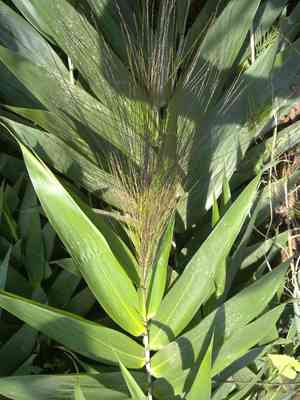
A vibrant decorative grass, tiger grass is distinguished by its lengthy, curving leaves and delicate plumes. To preserve its strength and aesthetic, trim away aged foliage in early spring prior to the emergence of new shoots. Reducing the density of congested clusters facilitates better light exposure and airflow. Winter trimming is not mandatory, primarily involving the removal of deceased matter to avert decomposition. Pruning fosters robust, thick development, improving its effectiveness as a visual barrier and lowering the likelihood of pest problems.
What Are the Benefits of Pruning Tiger Grass?
What Are the Benefits of Pruning Tiger Grass?
Trimming tiger grass promotes more robust development by directing energy to fresh, healthy shoots. Consistent cutting helps maintain its desired dimensions and form, ensuring tiger grass remains an appealing landscape element.
What Is the Best Time for Pruning Tiger Grass?
What Is the Best Time for Pruning Tiger Grass?
Pruning tiger grass in early spring is optimal as it precedes the plant's active growth phase, allowing tiger grass to channel energy into new growth and recover quickly. Winter trimming can also be advantageous since tiger grass is often dormant in colder regions, minimizing plant stress and reducing disease transmission via cuts. Winter pruning prepares tiger grass for vigorous spring growth by removing accumulated dead or damaged foliage.
What Tools Do I Need to Prune Tiger Grass?
Bypass Pruners
Perfect for making neat, precise cuts on the thinner stems and leaves of tiger grass. Their sharp, curved blades operate like scissors, causing minimal harm to plant tissues, which aids faster healing.
Loppers
Suitable for severing thicker tiger grass stems up to 2 inches in diameter. Their extended handles offer improved reach and greater leverage, useful for trimming taller sections of the plant.
Hand Saws
Essential for removing any larger, more mature tiger grass stems that have become too thick for loppers. A fine-toothed pruning saw can efficiently cut through stems and small branches with little effort.
Shears
Excellent for shaping tiger grass and trimming its foliage to encourage denser growth. Shears are designed for cutting grass and soft leaves, making them well-suited for the texture of tiger grass's foliage.
Gloves
Though not a pruning tool, gloves are crucial for safeguarding the gardener's hands from cuts and scrapes when handling tiger grass.
How to Prune Tiger Grass
Clean Tools
Before beginning the pruning process, cleanse and sanitize all pruning implements to prevent disease spread to tiger grass.
Identify
Carefully examine tiger grass for any diseased or withered leaves that require removal. Look for signs of discoloration, spots, or decay on the foliage.
Cut Diseased Leaves
Using sharp pruning shears, snip off any diseased leaves at their base, close to the main stem of tiger grass but without harming healthy tissue. Ensure cuts are clean and accurate.
Remove Withered Leaves
Identify and remove any withered leaves by cutting them off at the base as well, helping to stimulate new growth and enhance air circulation within tiger grass.
Disposal
Properly dispose of all removed diseased and withered material by burning or binning them to prevent any potential spread of pathogens within the garden.
Common Pruning Mistakes with Tiger Grass
Overpruning
Removing excessive foliage at once can stress tiger grass, hindering its growth and vitality.
Blunt Instruments
Using dull or blunt pruning tools can result in jagged cuts that damage tiger grass's stems, making it vulnerable to pests and diseases.
Improper Cut Location
Cutting too close or too far from the nodes can impede tiger grass from healing properly and may impact new growth.
Ignoring Dead Material
Failing to regularly remove dead or yellowing leaves can obstruct healthy new growth and may attract disease or pest infestation.
Pruning Active Growth
Trimming the active growth areas during the growing season may lead to a reduction in the lush appearance of tiger grass.
Neglecting Tool Hygiene
Not sterilizing tools between uses can spread diseases from infected plants to healthy ones, including tiger grass.
Inadequate Watering Post Pruning
Underwatering tiger grass after pruning may impede recovery, as the plant requires sufficient moisture to heal and regrow.
Common Pruning Tips for Tiger Grass
Sharp Tools
Always use sharp, clean pruning shears or scissors to make clean cuts on tiger grass, which encourages healthier regrowth.
Angled Cuts
Make angled cuts above a leaf node to direct new growth outward, improving air circulation and shaping tiger grass.
Thinning
Thin out crowded stems to increase light penetration and air flow, reducing the likelihood of fungal diseases in tiger grass.
Gradual Pruning
Prune tiger grass gradually over time rather than all at once, focusing on removing any damaged or diseased stems first.
Appropriate Hydration
Ensure tiger grass is well-hydrated before and after pruning to support its recovery and growth.
Divide And Conquer
For large clumps of tiger grass, consider dividing them every few years to maintain vigor and manage size while also creating new plants.
Visual Inspection
Regularly inspect tiger grass for signs of pests or disease when pruning, so that any issues can be dealt with promptly.



