How to Prune Garden thyme?
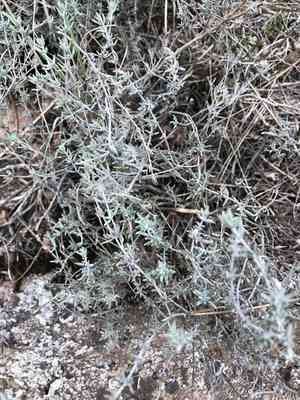
Garden thyme, a widely favored herb for both cooking and therapeutic purposes, flourishes when consistently trimmed. After blooming, lightly snip to foster a denser growth habit. In early spring, prune to sculpt the plant and eliminate deceased sections, but refrain from cutting into the woody portions, as this can damage the plant. Throughout the growing season, from spring to autumn, gentle pruning sustains its well-being and vitality, simultaneously boosting its output and aroma. Excessive trimming may diminish its resilience, particularly during colder months.
What Are the Benefits of Pruning Garden Thyme?
What Are the Benefits of Pruning Garden Thyme?
Trimming garden thyme promotes robust development and maintains a dense, appealing form. It encourages fresh foliage, ensuring a thick, healthy habit and improved culinary output.
What Is the Best Time for Pruning Garden Thyme?
What Is the Best Time for Pruning Garden Thyme?
Trimming garden thyme in early spring stimulates new growth, directs the plant's energy toward producing abundant foliage, and preserves its desired shape. Pruning in late fall, after flowering and harvesting, helps prevent disease and removes dead or spent stems, preparing garden thyme for winter dormancy. These periods are chosen to maintain the plant's health and productivity, avoiding stress during peak growth and flowering.
What Tools Do I Need to Prune Garden Thyme?
Hand pruners
Garden thyme is a small, woody, perennial herb. Hand pruners, or secateurs, are perfect for clipping stems and removing spent blooms.
Pruning shears
For shaping garden thyme and keeping it neat, pruning shears allow for accurate cuts without harming the plant.
Gardening Gloves
To shield your hands from thorns and rough stems while trimming garden thyme. Gloves enable safe handling during the pruning process.
Cleaning Solution
To prevent illness transmission, it's crucial to use a cleaning solution to sanitize tools after pruning garden thyme. This step helps maintain the health of garden thyme.
How to Prune Garden Thyme
Step1: Tool Sterilization
Gather sharp, clean pruning shears or scissors. Disinfect the blades with alcohol or a bleach solution to prevent disease spread.
Step2: Identify Woody Stems
Locate the woody stems on garden thyme. These are the older, tougher stems that have hardened over time, typically found at the plant's base.
Step3: Woody Stem Pruning
Cut back woody stems by about one-third of their length to encourage new growth. Ensure cuts are made just above a leaf set or a node, which is a slight swelling on the stem where leaves, buds, or branching occur. Do not remove more than a third of the plant in a single pruning session.
Step4: Damaged Stem Removal
Inspect garden thyme for any damaged stems. Look for signs of disease, pest damage, or physical injury. Such stems may appear wilted, discolored, or broken.
Step5: Healthy Tissue Cuts
Remove damaged stems at the point just above where healthy tissue begins. Ensure cuts are clean and no stubs remain, as these can be entry points for disease.
Step6: Old Stem Thinning
Identify old stems that may not be woody but have ceased vigorous growth. These are typically less productive and can overcrowd the plant, reducing air circulation.
Step7: Base Pruning for Airflow
Prune old stems back to their base or to their point of origin from the main stem. Focus on thinning rather than shortening these stems to improve air flow and sunlight penetration throughout garden thyme.
Step8: Shape and Structure Maintenance
Shape garden thyme by selectively pruning to maintain a rounded, compact form. This will help the plant produce dense, fragrant foliage that is more useful for culinary purposes and ornamental appeal.
Step9: Post-Pruning Tool Cleanup
After pruning, clean your tools again to keep them ready for future use and to maintain plant health.
Step10: Growth Monitoring
Observe garden thyme after pruning for signs of new growth. Pruning typically stimulates garden thyme to produce fresh, aromatic leaves, which are often more flavorful than older ones.
Post-Pruning Care for Garden Thyme
Post-Pruning Care for Garden Thyme
After trimming garden thyme, immediately provide a light watering to aid recovery. Manage environmental conditions by keeping garden thyme in well-ventilated areas with indirect sunlight, maintaining temperatures around 60-70°F and moderate humidity. Apply a balanced, slow-release fertilizer to support new growth. Regularly check for discolored leaves or wilting as indicators of stress or infection, and treat promptly with appropriate fungicides or insecticides. Ensuring such careful monitoring and maintenance will help garden thyme regain vigor and thrive.
Common Pruning Mistakes with Garden Thyme
Using Dull or Dirty Tools
Failing to use sharp and clean pruning tools, which can lead to jagged cuts that harm garden thyme's delicate stems and increase disease risk.
Over Pruning
Trimming too aggressively and removing too much foliage at once, which can weaken garden thyme and reduce its ability to recover and thrive.
Improper Stem Removal
Neglecting to remove only the woody, non-productive stems, potentially hindering new growth and diminishing the plant's aromatic qualities.
Common Pruning Tips for Garden Thyme
Precise Cuts for Bushier Growth
Make accurate cuts just above a leaf node or set of leaves to encourage bushier growth and avoid leaving stubs that can lead to disease.
Thinning for Better Air and Sun
Thin out dense areas to improve air circulation and sunlight penetration, which can help maintain the health and vigor of garden thyme.
Deadheading for Continuous Blooming
Regularly remove spent flowers to promote continuous blooming and prevent garden thyme from investing energy in seed production, instead redirecting it to foliage growth.



