How to Prune Creeping thyme?
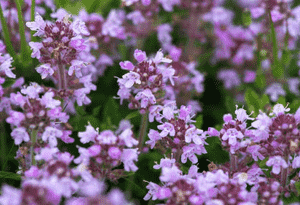
A compact, perennial herb, creeping thyme is prized for its aromatic leaves and blossoms that attract bees. To sustain vitality and encourage thick development, trim gently following its blooming period, usually in the summer. Perform pruning in early spring or late autumn to sculpt and eliminate any impaired or woody stalks. This trimming stimulates new shoots, boosts flower production, and prevents the plant from becoming sparse in the middle, guaranteeing creeping thyme remains dense and vibrant in landscapes or as a ground covering.
What Are the Benefits of Pruning Creeping Thyme?
What Are the Benefits of Pruning Creeping Thyme?
Trimming creeping thyme promotes robust development and preserves its compact shape, crucial for ground cover use. Consistent cutting keeps creeping thyme dense and encourages a lush, vibrant look.
What Is the Best Time for Pruning Creeping Thyme?
What Is the Best Time for Pruning Creeping Thyme?
In early spring, creeping thyme is emerging from dormancy, making it an opportune moment to shape the plant and eliminate any winter damage before new growth starts. This timing aligns with the plant's natural growth cycle and prepares it for the vigorous growth of spring and summer. Late autumn, once the blooming period has concluded, is another suitable time for pruning creeping thyme. At this stage, the plant is preparing for dormancy, and pruning can help maintain its health and appearance without risking the cutting of new, delicate growth that could be harmed by winter frost. Pruning during these periods minimizes the risk of disease and pest infestation, as open wounds on the plants heal more quickly in mild conditions.
What Tools Do I Need to Prune Creeping Thyme?
Hand Pruners
Small, sharp hand pruners are perfect for creeping thyme, enabling precise cutting and shaping of its delicate stems without causing undue harm to the plant.
Shears
For shaping and maintaining the thick, mat-forming habit of creeping thyme, shears are effective for trimming larger areas uniformly and quickly.
Snips
Snips are useful for deadheading or removing spent blooms from creeping thyme in a targeted manner, which can encourage further growth and prevent self-seeding if not desired.
Gloves
Gardening gloves help protect hands during the pruning of creeping thyme, as continuous contact may cause skin irritation or allergic reactions in some individuals.
How to Prune Creeping Thyme
Step1: Timing of Pruning
Select the appropriate time of year for pruning creeping thyme, typically in early spring or after it has bloomed, to encourage new growth and maintain its compact form.
Step2: Pruning Tool Preparation
Prepare your pruning tools, which should include a pair of clean, sharp scissors or pruning shears. Sanitize the blades with rubbing alcohol to prevent disease transmission.
Step3: Removing Dead Stems
Start with dead stems. Locate dead or brown sections at the base of creeping thyme. Cut these stems back to a healthy set of leaves or to the ground level, making clean cuts to avoid tearing.
Step4: Trimming Overgrown Stems
Inspect creeping thyme for overgrown stems that disrupt its shape or extend beyond the desired boundary. Trim these stems back to a lateral branch, leaf node, or cutting just above new leaf buds to promote bushier growth.
Step5: Damaged Foliage Removal
Identify and remove damaged foliage from creeping thyme by making cuts at least a centimeter above healthy growth or at the base of the plant if the entire stem is affected.
Step6: Selective Pruning for Shape
Shape creeping thyme by selectively pruning to maintain its natural form. Avoid cutting into woody stems that may not produce new shoots.
Step7: Disposal of Pruning Debris
After pruning, dispose of all removed plant material to reduce the likelihood of disease and to keep the area tidy.
Step8: Post-Pruning Watering
Water creeping thyme thoroughly after pruning to help reduce stress on the plant and support recovery and new growth.
Step9: Monitoring Plant Health
Monitor the plant for signs of new growth and health issues. Additional light pruning may be done throughout the growing season to remove occasional dead or damaged foliage and to maintain shape.
Post-Pruning Care for Creeping Thyme
Post-Pruning Care for Creeping Thyme
Immediately after pruning creeping thyme, ensure sufficient watering to aid recovery, avoiding waterlogged soil. Maintain a sunny environment with moderate humidity and temperatures that favor creeping thyme's growth. Introduce a balanced, slow-release fertilizer to provide essential nutrients, fostering new growth. Regularly inspect for signs of stress, such as discoloration or wilting. If symptoms of infection appear, treat promptly with an appropriate fungicide or pest control method, following environmentally safe practices.
Common Pruning Mistakes with Creeping Thyme
Excessive Pruning Harms Plant Structures
Pruning creeping thyme too deeply can damage the plant's vital structures, hindering growth or potentially killing the plant.
Unsterilized Tools Risk Spreading Disease
Failing to sterilize tools before pruning increases the risk of spreading diseases to creeping thyme.
Improper Cutting Techniques Damage Plants
Using incorrect pruning techniques, such as tearing or making jagged cuts, can harm creeping thyme and leave it susceptible to pests and diseases.
Over-Pruning Causes Plant Stress
Removing too much foliage at once may stress creeping thyme and reduce its ability to thrive.
Common Pruning Tips for Creeping Thyme
Sharp, Clean Shears for Healthy Cuts
Use sharp, clean shears to make precise cuts, which will help creeping thyme heal faster and reduces the risk of disease.
Remove Only Unhealthy Foliage to Boost Health
When trimming creeping thyme, focus on removing dead, dying, or diseased foliage to maintain plant health and aesthetics.
Gentle Pruning Promotes Denser Growth
Gently prune creeping thyme to shape it and encourage denser growth, but avoid cutting more than one-third of the plant at a time.
Post-Flowering Trimming for New Growth
After flowering, lightly prune creeping thyme to stimulate new growth and a possible secondary bloom.



