How to Prune Japanese thuja?
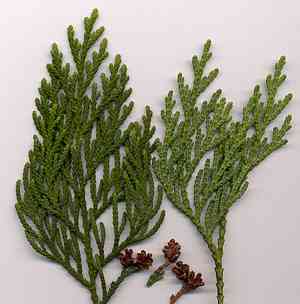
Hailing from Japan, japanese thuja is prized for its perennial greenery and conical development pattern. Regarding upkeep, selectively remove congested limbs within the crown and eliminate any deceased or compromised timber. Perform minor shaping, but refrain from severing into mature wood, as it might not recover. Trimming ought to take place in the colder months when the plant is inactive, lessening strain and preventing the leakage of sap, which aids robust re-growth. Trimming improves air circulation and light access, crucial for the plant's well-being.
Advantages of Trimming Japanese Thuja
Advantages of Trimming Japanese Thuja
Trimming japanese thuja promotes more robust growth by eliminating aged foliage and stimulating the emergence of fresh, healthier shoots. Furthermore, it aids in preserving its desired form and dimensions, ensuring japanese thuja remains an appealing element in the landscape.
Optimal Period for Trimming Japanese Thuja
Optimal Period for Trimming Japanese Thuja
Trimming japanese thuja during the late winter to early spring is a strategic choice, as the plant is typically still dormant. This timing reduces stress on the plant and minimizes the risk of disease and pest infestations that can arise from cuts. It also allows japanese thuja to recover from pruning cuts before the rapid growth phase begins with warmer weather. This period prevents the removal of new growth, which could lessen the plant's vitality. Additionally, the absence of leaves at this time offers a clearer view of the plant's structure, enabling more precise trimming.
Tools Required for Trimming Japanese Thuja
Hand Pruners
Essential for making precise cuts on japanese thuja's smaller branches, ensuring clean cuts that encourage healthy regrowth.
Loppers
Ideal for reaching into the denser parts of japanese thuja and cutting through branches that are too thick for hand pruners.
Pruning Saw
Necessary for removing larger, mature branches from japanese thuja where hand pruners and loppers are not sufficient.
Hedge Shears
Useful for shaping and maintaining the formal appearance of japanese thuja, especially for hedges or topiary designs.
Pole Pruner
Helpful for cutting branches that are out of reach on taller specimens of japanese thuja without the use of a ladder.
How to Trim Japanese Thuja
Sterilize Tools
Before trimming japanese thuja, sterilize cutting tools using a solution of 1 part bleach to 9 parts water to prevent disease spread.
Hand Selection
Using hand pruners, identify and remove dead branches from japanese thuja by cutting at the branch collar without damaging the healthy wood.
Diseased Removal
Trim diseased branches on japanese thuja similarly to dead branches, ensuring you cut well below diseased wood and dispose of them properly to avoid contamination.
Clean Cut
Make sure each cut on japanese thuja is clean and at a slight angle to promote water runoff and prevent diseases.
Post Prune Care
After trimming japanese thuja, clean up fallen debris to minimize disease and insect attraction and apply a light layer of mulch to support health but avoid stacking mulch against the trunk or stems.
Common Trimming Errors with Japanese Thuja
Over-Pruning
Removing too much foliage from japanese thuja at once can weaken the plant and inhibit its natural shape. It can also make the plant more susceptible to diseases.
Cutting Into Old Wood
Trimming into the old, non-green wood of japanese thuja can prevent the plant from producing new growth, as it does not readily regenerate from old wood.
Improper Tool Use
Using dull or dirty trimming tools can damage the branches of japanese thuja and increase vulnerability to pests and diseases.
Pruning Without A Plan
Random or excessive cutting without understanding the growth pattern of japanese thuja can lead to an undesirable shape and thinning of the foliage.
Neglecting Weak Or Dead Branches
Failing to remove weak, dead, or diseased branches can impede the health and vigor of japanese thuja, detracting from its appearance.
General Trimming Advice for Japanese Thuja
Use Sharp Tools
Employ clean, sharp trimming shears to make clean cuts that heal quickly on japanese thuja, minimizing stress and disease risk.
Focus On Dead Or Damaged Branches
Regularly inspect and cut away dead, damaged, or diseased branches to maintain japanese thuja's health and appearance.
Prune For Shape And Density
Lightly trim the foliage of japanese thuja to maintain its desired form and promote denser growth, avoiding deep cuts into old wood.
Understand Growth Habit
Recognize japanese thuja's natural pyramidal to conical shape, and trim to accentuate this form while being cautious not to alter its inherent growth habit.
Give Attention To Crossing Branches
Remove branches that cross or rub against each other to prevent wounds and potential entry points for pests or diseases on japanese thuja.



