How to Prune Miracle fruit?
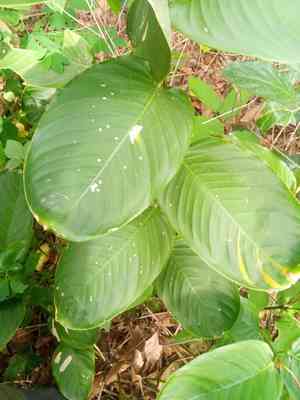
This enduring herbaceous plant is renowned for its substantial, crimson seeds, which are known to neutralize acidic tastes. For miracle fruit, trim away any withered or discolored foliage and reduce crowded leaves to improve light access and air movement. The ideal period for trimming is in early spring or late winter, prior to the onset of rapid growth. Exercise caution to prevent harm to the central stalk. Trimming boosts the plant's well-being and strength, stimulates fresh development, and preserves a pleasing appearance.
Advantages of Trimming Miracle Fruit
Advantages of Trimming Miracle Fruit
Trimming miracle fruit encourages robust development and assists in maintaining its desired form. Strategic cuts can revitalize new growth, resulting in a more vigorous plant. Regular trimming also ensures miracle fruit remains visually appealing and manageable in size.
Optimal Period for Pruning Miracle Fruit
Optimal Period for Pruning Miracle Fruit
Pruning miracle fruit in late winter or early spring is advised due to the plant's dormant state during these times. This timing allows miracle fruit to conserve energy and recover better from pruning cuts without allocating resources to active growth, flowering, or fruiting. Furthermore, pruning before the new growth cycle begins helps shape the plant and eliminate any damaged or diseased tissue, leading to a healthier and more productive growing season. These periods also decrease the risk of disease transmission, as many pathogens are less active in cooler temperatures. By adhering to this pruning schedule, gardeners ensure that miracle fruit has the best opportunity for vigorous growth and a fruitful season.
Necessary Tools for Pruning Miracle Fruit
Hand Pruners
Perfect for making accurate cuts on miracle fruit's smaller stems, ensuring clean and healthy cuts to prevent infection.
Pruning Saw
Useful for cutting through miracle fruit's thicker branches, guaranteeing a smooth cut on stems too large for hand pruners.
Loppers
Offer leverage for pruning medium-sized stems of miracle fruit, enabling cuts in harder-to-reach areas with their extended handles.
Shears
Effective for trimming and shaping miracle fruit's foliage, especially useful for managing the plant's dimensions and promoting denser growth.
How to Prune Miracle Fruit
Sanitize Tools
Utilize disinfected pruning shears to prevent disease spread to miracle fruit. Clean blades with rubbing alcohol or a household disinfectant before cutting.
Identify Remove Diseased
Carefully inspect miracle fruit for any indications of diseased leaves, recognized by discoloration, spots, or unusual marks. Gently remove these leaves by cutting at the stem's base, being careful not to harm adjacent healthy foliage.
Identify Remove Withered
Search for withered leaves on miracle fruit, which are typically dry, brown, and brittle. Cut these leaves off where they connect to the main stem or the nearest healthy part, to enhance air circulation and redirect energy to healthy growth.
Clean Up
After pruning miracle fruit, promptly dispose of all removed plant material to prevent disease spread and maintain a tidy area. Do not compost diseased plant material.
Inspect Aftercare
Following pruning, examine miracle fruit to ensure a neat and uniform appearance. Water the plant if the soil feels dry and monitor for any new signs of stress or disease in the days after pruning.
Common Pruning Errors with Miracle Fruit
Overpruning
Removing too much foliage at once can stress miracle fruit, leading to poor growth or susceptibility to pests and diseases.
Incorrect Cut Placement
Cutting too far from a node or into old woody growth can result in ineffective pruning, as miracle fruit may not respond well to cuts made in these areas.
Using Dull Tools
Blunt pruning tools can cause jagged cuts that heal slowly and may invite infection.
Ignoring Diseased Material
Failing to remove diseased or damaged parts of miracle fruit can allow problems to spread throughout the plant.
Pruning Without A Plan
Random or excessive cuts can lead to a misshapen plant. It's crucial to have a clear understanding of why and what needs trimming before starting.
General Pruning Advice for Miracle Fruit
Sharp Clean Tools
Employ sharp, clean cutting tools to make precise cuts, as clean cuts heal faster and reduce disease risk.
Prune For Shape
Focus on preserving the natural form of miracle fruit, avoiding excessive cutting back which can result in sparse or irregular growth.
Identify Growth Nodes
When pruning, make cuts just above growth nodes at a 45-degree angle to encourage new growth in the desired direction.
Remove Damaged Growth
Regularly remove dead or damaged growth to help miracle fruit direct energy towards producing healthy foliage and flowers.
Thinning Dense Areas
Thin out areas where the foliage is too dense to improve air circulation, which can help prevent fungal diseases and promote even growth.



