How to Prune Meadow rue?
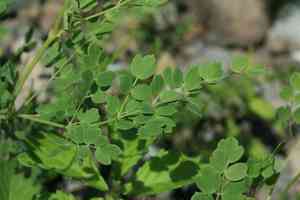
Distinguished by its ethereal leaves and fragile blossoms, meadow rue thrives with judicious trimming to preserve its form and stimulate flowering. Reduce its size by one-third in early spring to foster vigorous development. Remove faded flowers in summer to encourage additional blooms. Performing pruning during these ideal periods guarantees vitality and well-being. Employing sanitized, sharp implements is crucial to lessen strain and the potential for illness in meadow rue. Strategic pruning also facilitates revitalization and can heighten its aesthetic charm.
Advantages of Trimming Meadow Rue
Advantages of Trimming Meadow Rue
Trimming meadow rue promotes robust development and helps maintain its desired form. Eliminating dead or weak parts fosters a healthier plant, potentially enhancing its aesthetic qualities while ensuring it fits well within garden boundaries.
Optimal Period for Trimming Meadow Rue
Optimal Period for Trimming Meadow Rue
Trimming in late spring allows the gardener to remove any dead or damaged growth from meadow rue after it has emerged from winter dormancy, which promotes healthy new growth. Early summer is also suitable because it's after meadow rue's initial spring growth spurt, ensuring that energy is directed to the development of strong, healthy stems and foliage. Trimming during this period won't interfere with flowering since meadow rue typically blooms later in the summer, ensuring that the plant's aesthetic and pollination processes are not adversely affected.
Tools Required for Trimming Meadow Rue
Bypass Pruners
Meadow rue often has delicate stems that require clean and precise cuts to discourage disease and minimize damage. Bypass pruners, which work like scissors with a sharp blade 'bypassing' a thicker one, are ideal for making these clean cuts on the plant's thin stems.
Gardening Gloves
When trimming meadow rue, it is essential to protect one's hands from potential irritants or scratches. Gloves ensure a safe and comfortable trimming experience.
Pruning Saw
For older and woodier stems that might be found in mature meadow rue plants, a pruning saw can make the task easier. Its serrated blade is appropriate for cutting through thicker growth without causing unnecessary strain on the plant or the gardener.
Long-Handled Loppers
If meadow rue has grown tall and the gardener needs to reach higher branches, long-handled loppers are advantageous. They provide extra reach and leverage, making it easier to prune without overexerting oneself or damaging the plant.
How to Trim Meadow Rue
Disinfect tools
Before starting, ensure all trimming tools are disinfected to prevent the spread of disease to or from meadow rue.
Identify parts
Examine meadow rue thoroughly to locate any diseased or withered leaves and diseased stems that require removal.
Remove diseased leaves
Carefully trim away any diseased leaves from meadow rue, making clean cuts at the base of each leaf to avoid damaging healthy tissue.
Trim withered leaves
Trim off withered leaves from meadow rue, cutting back to the base of the leaf stalk without cutting into the main stem or adjacent healthy leaves.
Cut diseased stems
Cut back any diseased stems on meadow rue to healthy tissue, ensuring cuts are made at a 45-degree angle to facilitate water runoff and promote healing.
Common Trimming Errors with Meadow Rue
Excessive trimming
Cutting back meadow rue too severely can reduce its ability to flower. It is crucial not to remove more than one-third of the plant at any one trimming session.
Incorrect cut placement
Making cuts too far from a bud can lead to dead stubs, while cuts too close can damage the bud. Trim meadow rue just above an outward-facing bud to promote a desirable shape.
Trimming healthy growth
Removing healthy leaves and stems during trimming can weaken meadow rue. Focus on eliminating only dead or diseased stems.
Trimming too early
Initiating trimming before meadow rue has finished blooming may cut off flower-bearing stems, diminishing its showy display.
Ignoring plant structure
Failing to consider meadow rue's natural form when trimming can result in an unnatural appearance and reduced vigor.
General Trimming Advice for Meadow Rue
Sanitation
Always use clean, sharp trimming shears to make clean cuts on meadow rue, reducing the risk of disease transmission.
Selective thinning
Thin out crowded areas of meadow rue to allow light and air to penetrate, which helps prevent disease and encourages more robust growth.
Deadheading
Regularly remove spent blooms of meadow rue to encourage additional flowering and prevent self-seeding if not desired.
Encouraging bushiness
Trim the tips of young meadow rue plants to encourage bushier growth and more flowering sites.
Preserving buds
When trimming, ensure to preserve emerging buds of meadow rue to not interfere with the blooming cycle.



