How to Prune Rice-paper plant?
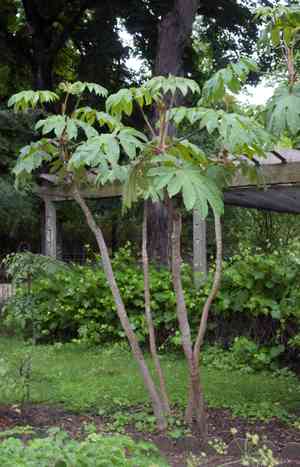
Hailing from East Asia, this perennial woody plant features substantial, deeply divided foliage and periodic groupings of off-white blossoms. Essential trimming methods include reducing dense branches and shortening overly robust growths to manage dimensions and form. The most suitable period for pruning rice-paper plant is in winter, while the plant is inactive. Pruning stimulates robust development, enhances air movement, and ensures the plant appears well-kept. Always employ sanitized, keen implements to lessen trauma and avert the spread of pathogens.
Advantages of Trimming Rice-paper Plant
Advantages of Trimming Rice-paper Plant
Trimming rice-paper plant promotes robust development by eliminating dead or crowded branches, allowing light and air to penetrate the core. It also maintains the desired form and size, improving the plant's visual appeal and fostering a healthier framework.
Optimal Period for Pruning Rice-paper Plant
Optimal Period for Pruning Rice-paper Plant
Pruning rice-paper plant from late winter to early spring is recommended because this timing avoids cutting during its active growth phase, which typically begins in spring. It allows rice-paper plant to recover from pruning before new growth starts. This period is also after the harshest winter weather, reducing the risk of frost damage to fresh cuts. Additionally, since the plant is still dormant, the absence of leaves provides clearer visibility of its structure, enabling more precise and effective pruning. This timing also prevents disruption of the flowering cycle, as rice-paper plant usually blooms on new wood.
Essential Tools for Pruning Rice-paper Plant
Hand pruners
Perfect for making accurate cuts on rice-paper plant's smaller stems and branches, ensuring a clean and healthy incision.
Lopping shears
Best for cutting through thicker branches of rice-paper plant that hand pruners might not manage.
Long-reach pruners
Useful for safely trimming higher branches without a ladder, ensuring gardener safety while pruning rice-paper plant.
Pruning saw
Needed for removing larger limbs from mature rice-paper plant specimens, as it can cut through thick wood beyond loppers' capacity.
Hedge shears
Suitable for shaping rice-paper plant if a more formal look is desired, or for trimming hedges made from rice-paper plant.
Garden gloves
To shield hands from the rough texture and sap of rice-paper plant during pruning.
How to Prune Rice-paper Plant
Sanitize Tools
Disinfect pruning shears or saws with alcohol or a bleach solution to prevent disease transmission when trimming rice-paper plant.
Remove Dead
Cut dead branches at their base, where they meet the trunk or a main branch, using sharp and clean tools to avoid tearing rice-paper plant's tissue.
Remove Diseased
Identify and prune diseased branches by cutting them well below the affected area to ensure all diseased tissue is removed from rice-paper plant.
Disposal
Discard removed dead and diseased branches away from rice-paper plant to minimize the risk of reinfection.
Cleanup
Clear away any debris, fallen leaves, or cuttings from around rice-paper plant to maintain good air circulation and deter pests.
Common Pruning Errors with Rice-paper Plant
Excessive Pruning
Pruning too much can stress rice-paper plant, potentially leading to poor growth or reduced vigor. A good guideline is never to remove more than one-third of the foliage at a time.
Using Dull Tools
Dull tools can cause jagged cuts that heal poorly and may lead to disease and pest issues. Always use clean, sharp tools for a clean cut.
Tearing Stems
Improper technique, such as tearing stems instead of cutting them, can damage rice-paper plant's bark and underlying tissue, which can invite pests and diseases.
Ignoring Dead Material
Failing to remove dead or diseased material can hinder rice-paper plant's growth and expose the plant to pathogens and infestation.
Neglecting Shape
Lack of attention to the natural growth pattern and shape of rice-paper plant can result in an unattractive and unhealthy plant. Pruning should enhance the plant's natural form.
General Pruning Advice for Rice-paper Plant
Clean Cuts
Make sharp, clean cuts just above leaf nodes or branching points to promote healthy regrowth. Angled cuts help prevent water accumulation that might lead to rot.
Prune For Airflow
Thin out branches strategically to improve air circulation. This helps to prevent fungal diseases and promotes strong, robust growth.
Remove Damaged Material
Cut away any damaged, dead, or diseased stems to keep rice-paper plant healthy. It prevents the spread of disease and redirects energy to healthy growth.
Consider Growth Habit
Understand that rice-paper plant has a spreading habit. Prune to control its invasive nature without impeding its natural inclination to fill out space aesthetically.
Cut To Outward Facing Buds
Promote an open structure by cutting just above buds facing outward. This technique encourages rice-paper plant to grow outwards rather than inwards, which can cause congestion.



