How to Prune Japanese ternstroemia?
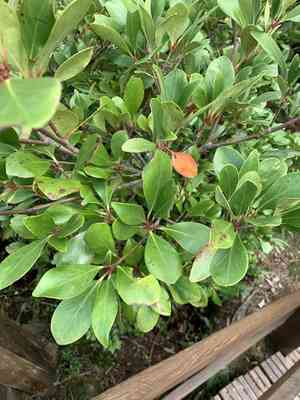
This perennial woody plant, prized for its lustrous leaves and resilience, thrives with judicious trimming. For japanese ternstroemia, remove any ailing or compromised branches and open up the center to improve airflow. Formative pruning is best performed during the dormant period in winter, minimizing potential strain. Consistent trimming improves japanese ternstroemia's aesthetic appeal and preserves its compact form, simultaneously fostering revitalization and robust growth.
What Are the Benefits of Pruning Japanese Ternstroemia?
What Are the Benefits of Pruning Japanese Ternstroemia?
Trimming japanese ternstroemia promotes more robust development while preserving its desired form, which is crucial for both visual appeal and vitality.
What Is the Best Time for Pruning Japanese Ternstroemia?
What Is the Best Time for Pruning Japanese Ternstroemia?
Pruning japanese ternstroemia during winter is considered optimal because it is typically the plant's dormant period. This timing prevents undue stress on japanese ternstroemia and allows for a robust recovery and vigorous growth in the spring. Trimming in winter also minimizes the risk of disease and pest infestation, as the wounds can heal before the warmer, more active seasons. Furthermore, the absence of foliage during dormancy provides better visibility for making precise cuts, which can promote better shape and structure in the plant's growth cycle.
What Tools Do I Need to Prune Japanese Ternstroemia?
Hand Pruners
Ideal for making precise cuts on smaller stems of japanese ternstroemia, which typically have a fine structure that requires careful trimming to maintain shape.
Loppers
Perfect for reaching into the denser canopy of japanese ternstroemia and cutting through thicker branches that hand pruners cannot easily handle, where leverage and extended reach are needed.
Pruning Saw
Essential for removing any large, mature branches from japanese ternstroemia that are too thick for loppers, ensuring clean cuts without damaging the plant.
Hedge Shears
Useful for shaping japanese ternstroemia when trimming hedges or creating formal shapes, as they allow for cutting several small stems at once for an even finish.
Pruning Gloves
Offer protection for the hands when shaping japanese ternstroemia, helping to avoid scratches from twigs or branches.
Pruning Stool or Knee Pads
Provide comfort and support when working at lower heights or attending to the lower branches of japanese ternstroemia, which contributes to a more pleasant pruning experience.
How to Prune Japanese Ternstroemia
Step1: Tool Sanitization and Sharpening
Before beginning, sanitize your pruning tools with alcohol or a 10% bleach solution to prevent the spread of disease. Make sure the tools are sharp to ensure clean cuts.
Step2: Assessing Plant for Pruning
Examine japanese ternstroemia thoroughly to identify all dead wood, diseased branches, and broken branches that need to be removed.
Step3: Dead Wood Removal
Start pruning japanese ternstroemia by removing dead wood. Cut dead branches at the point where they meet healthy wood, making the cut at a 45-degree angle to encourage water runoff and prevent disease.
Step4: Diseased Branch Pruning
Next, carefully remove diseased branches. Cut back to healthy tissue, which is typically characterized by a vibrant green color on the cut section. Ensure a clean cut to facilitate rapid healing.
Step5: Broken Branch Trimming
For broken branches on japanese ternstroemia, clean up the jagged edges by cutting just above a lateral bud or side branch. The cut should be angled away from the bud to avoid damage and promote healthy growth.
Step6: Shaping and Canopy Thinning
After all dead, diseased, and broken wood has been cleared away, step back to assess the shape of japanese ternstroemia. Make selective thinning cuts to open up the canopy for light and air circulation, which also helps prevent disease.
Step7: Selective Branch Removal
When thinning, select the branches to remove based on their contribution to the overall shape and health of japanese ternstroemia. Remove any branches that cross each other or grow inward toward the center of the plant.
Step8: Post-Pruning Clean-Up
Complete the pruning session by cleaning up all debris around japanese ternstroemia. Dispose of diseased material properly to prevent reinfection.
Step9: Hydration After Pruning
Water japanese ternstroemia deeply after pruning to help it recover from the stress of pruning, unless the soil is already moist or there is significant rainfall forecasted in the near term.
Post-Pruning Care for Japanese Ternstroemia
Post-Pruning Care for Japanese Ternstroemia
Immediately after pruning japanese ternstroemia, ensure clean cuts to avoid infections. Maintain high humidity and indirect sunlight to lessen stress. Adjust temperature to a moderate range, avoiding extremes. Post-pruning, apply a balanced, gentle fertilizer to support regeneration. Regularly check for discoloration or wilt as stress indicators. If symptoms appear, assess watering practices and inspect for pests. Swiftly treat any infections with appropriate fungicides or pesticides.
Common Pruning Mistakes with Japanese Ternstroemia
Excessive Pruning Stresses Plants
Over-pruning, which can stress japanese ternstroemia and limit its growth potential. Removing more than one-third of the plant's branches can be detrimental.
Dull or Dirty Tools Harm Plant Health
Using dull or unclean tools can cause jagged cuts and introduce diseases to japanese ternstroemia. It's vital to use sharp, sanitized pruning shears or scissors.
Early Shaping Pruning Inhibits Natural Growth
Pruning for shape too early in the plant's life can inhibit the natural form of japanese ternstroemia and affect its overall health. Young plants should be allowed to grow without major shape pruning.
Common Pruning Tips for Japanese Ternstroemia
Remove Dead Branches and Angle Cuts for Health
Identify and remove any dead or diseased branches on japanese ternstroemia to improve air circulation and plant health. Make cuts at a 45-degree angle to encourage water runoff and prevent disease.
Follow Natural Growth Patterns When Shaping
When shaping japanese ternstroemia, follow its natural growth habit to enhance its aesthetics. Lightly thinning out the plant can maintain its shape without compromising its structure.
Encourage Outward Growth with Targeted Pruning
Encourage new growth in japanese ternstroemia by pruning just above outward-facing buds. This will direct new growth outwards and prevent branches from crossing and rubbing against each other.



