How to Prune Yellow trumpetbush?
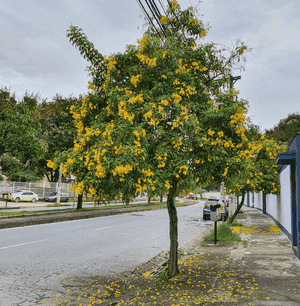
Yellow trumpetbush, a stunning garden feature with its bright yellow blossoms and verdant leaves, flourishes with appropriate trimming. Essential methods include eliminating deceased or ailing limbs, sculpting the plant, and fostering denser development. Perform pruning on yellow trumpetbush in winter, while it is inactive, to lessen strain and stimulate abundant spring flowering. Consistent trimming also helps control its dimensions and boosts its aesthetic charm, leading to a more vital, sturdier plant.
What Are the Benefits of Pruning Yellow Trumpetbush?
What Are the Benefits of Pruning Yellow Trumpetbush?
Trimming yellow trumpetbush encourages strong development and helps maintain its desired shape, ensuring a neat, vibrant look.
What Is the Best Time for Pruning Yellow Trumpetbush?
What Is the Best Time for Pruning Yellow Trumpetbush?
Winter is considered the optimal period for trimming yellow trumpetbush due to several key aspects. Firstly, yellow trumpetbush typically enters a dormant phase during winter, when growth slows or stops. This dormancy makes the plant's structure more visible without leaf obstruction and reduces stress during pruning. Additionally, cutting back the plant while dormant promotes vigorous growth and flowering in the subsequent spring. Furthermore, removing dead or diseased wood in winter can prevent the spread of pathogens and pests that are less active in colder weather. Winter pruning also minimizes sap loss, which can be more significant in other seasons, and allows wounds to heal before the growing season, lowering infection risk. Since yellow trumpetbush flowers on new growth, winter pruning ensures the production of fresh shoots that will bloom in the next cycle.
What Tools Do I Need to Prune Yellow Trumpetbush?
Hand Pruners
For cutting slender stems and small branches of yellow trumpetbush, hand pruners offer precision and ease of use. They are perfect for trimming branches typically under 1/2 inch in diameter.
Lopping Shears
These are necessary for branches too thick for hand pruners. With their extended handles, lopping shears provide the leverage needed to cut through branches up to 1 1/2 inches in diameter.
Pruning Saw
For the thickest branches of yellow trumpetbush, exceeding 1 1/2 inches in diameter, using a pruning saw will simplify the task and create a clean cut, preventing plant damage.
Garden Gloves
When trimming yellow trumpetbush, wearing gloves is essential for protection against thorns and sap that might irritate the skin.
Pruning Sealer
After making large cuts on yellow trumpetbush, it is sometimes advised to apply a pruning sealer to shield the wound from diseases and pests as it heals.
How to Prune Yellow Trumpetbush
Step1: Timing for Pruning
Determine the ideal time to prune yellow trumpetbush, which is typically after the main blooming season concludes. Pruning in late winter or early spring allows the plant to recover and flower effectively.
Step2: Tool Preparation
Gather essential tools, such as sharp pruning shears, loppers, and gloves, to ensure clean cuts and personal safety. Sanitize tools before use to prevent disease transmission.
Step3: Dead Wood Removal
Begin by removing dead wood. Look for branches showing no signs of life. Make cuts at a slight angle, approximately 1/4 inch above a living bud or node, ensuring no damage to the healthy part of the plant.
Step4: Thinning Dense Foliage
Thin out crowded foliage to improve air circulation. Focus on areas where branches are too close. Prune selectively, gently thinning rather than shearing off large sections, which can harm yellow trumpetbush.
Step5: Yellowing Leaves Removal
Remove any yellowing leaves, which may indicate stress or disease. Snip these leaves at the base of their stem, but be careful not to remove more foliage than necessary, as leaves are crucial for photosynthesis.
Step6: Plant Shaping
Shape yellow trumpetbush by cutting back long, unbranched stems to encourage bushier growth. Avoid removing more than one-third of the plant's total size in a single pruning session to prevent stressing the plant.
Step7: Disease and Pest Inspection
Inspect for any signs of disease or pests while pruning, as these can often be managed through strategic cutting. Remove any infested or diseased areas and dispose of them properly to prevent further spread.
Step8: Post-Pruning Cleanup
After pruning, clear away all trimmings from around the base of yellow trumpetbush to deter pests and diseases. This also keeps the area tidy and may reduce the potential for fungal growth.
Step9: Post-Pruning Watering
Water yellow trumpetbush sufficiently after pruning to aid recovery and stimulate new growth. However, be careful not to overwater as yellow trumpetbush is drought-tolerant, and excessive moisture can lead to root rot or other problems.
Step10: Monitoring Plant Health
Observe the plant's reaction to pruning over the subsequent weeks. If the plant shows signs of stress, reassess your pruning technique and frequency to ensure the health of yellow trumpetbush.
Post-Pruning Care for Yellow Trumpetbush
Post-Pruning Care for Yellow Trumpetbush
After trimming yellow trumpetbush, promptly water the plant to alleviate stress. Maintain moderate humidity and avoid direct, intense light to safeguard new growth. Mild conditions are ideal for recuperation. Apply a balanced, slow-release fertilizer to replenish nutrients; refrain from overfeeding. Monitor yellow trumpetbush for wilting or discoloration, indicators of stress or illness. If symptoms appear, adjust care and consult expert resources. Regular observation ensures a healthy regrowth phase for yellow trumpetbush.
Common Pruning Mistakes with Yellow Trumpetbush
Excessive Pruning Can Stress Plants
Over-Pruning: A frequent error is removing too much of yellow trumpetbush at once, which can stress the plant and result in less vigorous growth or reduced blooming.
Improper Cut Placement Hinders Growth
Incorrect Cut Placement: Gardeners might mistakenly cut into old woody growth where yellow trumpetbush is less likely to produce new shoots, leading to sparse growth and affecting the plant's form.
Jagged Cuts from Dull Tools Harm Plants
Using Dull Tools: Pruning with dull or unclean tools can create jagged cuts that are more vulnerable to disease and pests, harming the health of yellow trumpetbush.
Topping Disrupts Plant's Natural Form
Topping: Some gardeners might top yellow trumpetbush, cutting across the plant's apex to reduce its height. This can cause a flush of weak growth and disrupt the plant's natural shape.
Common Pruning Tips for Yellow Trumpetbush
Use Sharp, Clean Tools for Healthy Cuts
Choose the Right Tool: Use sharp, clean pruning shears or loppers for yellow trumpetbush to make precise cuts that heal quickly and minimize plant stress.
Thin Stems for Better Shape and Health
Thinning for Shape and Health: Instead of topping, thin out overcrowded stems and branches from yellow trumpetbush to improve air circulation and light penetration for better shape and overall health.
Prune for Natural Growth and Denser Foliage
Prune Selectively: Cut back to a lateral branch or bud that faces the desired direction for new growth. This encourages a more natural growth pattern and denser foliage for yellow trumpetbush.
Remove Dead or Diseased Wood to Prevent Disease
Remove Dead or Diseased Wood: Regularly inspect yellow trumpetbush and remove any wood that is dead or diseased, as this will help prevent the spread of diseases and pests in the plant.
Deadheading Promotes Longer Blooming Period
Encourage Flowering: Removing spent flowers and seed pods from yellow trumpetbush can promote a longer blooming period by preventing the plant from investing energy into seed production.



