How to Prune Pacific yew?
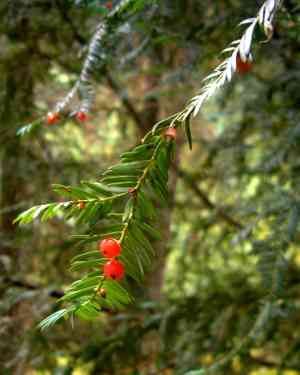
The pacific yew, a conifer valued for its therapeutic bark and aesthetic appeal, flourishes under particular trimming methods. Essential approaches encompass the careful elimination of lifeless or ailing limbs, reducing crowded sections to boost air movement, and preserving its inherent form. The most effective time for pruning is during the winter season, coinciding with its dormant phase to lessen strain and prevent sap leakage. Advantages of pruning include improved plant well-being, increased vitality, and simplified collection of its medically significant bark.
What Are the Benefits of Pruning Pacific Yew?
What Are the Benefits of Pruning Pacific Yew?
Trimming pacific yew promotes robust development and maintains its form, leading to a healthier and more visually appealing specimen. It is vital for eliminating dead or diseased limbs, thereby enhancing the plantâs overall vigor.
What Is the Best Time for Pruning Pacific Yew?
What Is the Best Time for Pruning Pacific Yew?
Winter is considered ideal for trimming pacific yew because the plant is in a dormant state during this period. Pruning while the plant is inactive helps minimize stress and prevent sap loss, which can be more common during the active growth season. Additionally, with reduced foliage, it's easier to observe the plant's structure and make precise cuts. Dormant season pruning also offers the benefit of encouraging vigorous growth in spring, as the plant has time to recover and direct its energy into new development once warmer weather arrives.
What Tools Do I Need to Prune Pacific Yew?
Hand Pruners
For cutting small branches up to 3/4 inches thick on pacific yew, bypass hand pruners provide clean cuts that promote plant health.
Loppers
For reaching branches up to 2 inches thick and providing leverage, loppers help prune pacific yew without damaging the plant.
Pruning Saw
For removing larger branches over 2 inches thick, a pruning saw makes precise cuts, ensuring minimal harm to pacific yew.
Hedge Shears
For shaping and shearing the foliage of pacific yew when creating hedges or specific forms, hedge shears offer uniformity and ease of use.
Pole Pruner
To safely prune higher branches of pacific yew without the need for a ladder, a pole pruner extends reach and is particularly useful if the plant is tall.
How to Prune Pacific Yew
Step1: Health and Structure Assessment
Evaluate the overall health and structure of pacific yew before trimming. Identify any dead wood, diseased branches, and broken limbs that need removal.
Step2: Tool Sterilization
Sanitize pruning tools with alcohol or a bleach solution to prevent the spread of pathogens.
Step3: Dead Wood Removal
Start by removing dead wood. Cut dead branches back to living tissue, ensuring your cut is just outside the branch collar to promote healing.
Step4: Diseased Branches Removal
Next, eliminate diseased branches. Make cuts well into the healthy wood, at least several inches below the infected sections to prevent further spread.
Step5: Broken Limbs Trimming
For broken limbs, cut cleanly back to the nearest lateral branch or to a suitable outward-facing bud to encourage proper growth and shape.
Step6: Natural Form Maintenance
Trim to maintain the natural shape of pacific yew. Avoid excessive cutting, as pacific yew does not respond well to severe pruning.
Step7: Density Reduction for Health
Thin out dense areas to improve light penetration and air circulation. This helps prevent future disease.
Step8: Angled Cuts for Water Runoff
Make all cuts at a slight angle to prevent water accumulation on the cut surface, which can lead to rot.
Step9: Pruning Debris Disposal
After pruning, dispose of all removed plant material appropriately to reduce the chance of spreading any disease to other plants.
Step10: Post-Pruning Tool Cleaning
Clean and sterilize all equipment after the pruning process is complete.
Step11: Post-Pruning Monitoring
Monitor the trimmed areas for signs of new growth or potential disease over the following weeks to ensure proper healing and health of pacific yew.
Post-Pruning Care for Pacific Yew
Post-Pruning Care for Pacific Yew
Immediately after pruning, ensure pacific yew is kept in a stable environment with indirect light, consistent humidity, and a temperature range suitable for its recovery. Apply a balanced fertilizer to replenish nutrients and support regrowth. Regularly inspect pacific yew for signs of stress, such as discolored foliage or stunted growth, and adjust care as necessary. Initiating moderate irrigation will also prevent desiccation. If symptoms of infection, like unusual spotting or decay, appear, promptly treat with an appropriate fungicide or bactericide.
Common Pruning Mistakes with Pacific Yew
Avoid excessive foliage removal in one session
Over-pruning pacific yew, which can lead to reduced vigor and a sparse appearance. It's crucial not to remove more than a quarter of the foliage in a single session.
Do not cut into old wood
Cutting into old wood on pacific yew, which can result in poor or no regrowth as this species may not recover or produce new shoots from old wood.
Sterilize tools to prevent disease spread
Neglecting to sterilize tools before pruning pacific yew, which increases the risk of spreading diseases between plants.
Avoid damaging cuts that impair plant healing
Making improper cuts that damage the bark or remaining branch structure of pacific yew, which can impair healing and lead to decay.
Prune with a clear objective for plant health
Pruning without a clear objective, such as to remove dead wood or to shape pacific yew, which can result in a less aesthetic or unhealthy plant.
Common Pruning Tips for Pacific Yew
Use sharp and clean tools for healthy cuts
Use sharp, clean pruning tools to make clean cuts that pacific yew can heal promptly, reducing the likelihood of disease infections.
Prune for natural shape and remove unhealthy branches
Prune to maintain the natural shape of pacific yew, removing any diseased, dead, or crossing branches first to promote healthy growth.
Cut back to a lateral branch for directed growth
When shortening branches, cut back to a lateral branch or bud to encourage growth in pacific yew in a desired direction.
Apply balanced fertilizer post-pruning
After pruning pacific yew, apply a balanced, slow-release fertilizer to support recovery and new growth.
Regularly inspect and correct problematic growth
Regularly inspect pacific yew for damaged or problematic growth, providing corrective pruning as necessary, rather than waiting for an annual pruning session.



