How to Prune Common yew?
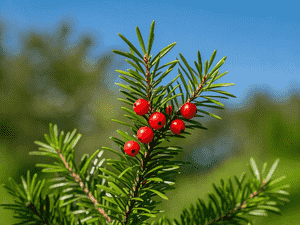
The common yew, a coniferous evergreen that develops slowly, is recognized by its thick, deep green leaves and crimson arils. Essential trimming methods involve careful thinning to preserve its form, eliminating lifeless or ailing limbs to foster well-being, and cutting back fresh shoots to stimulate more compact foliage. The ideal period for pruning is during winter to lessen sap leakage and plant strain. Notable advantages encompass improved plant robustness and extended longevity. Trimming additionally averts excessive density, guaranteeing adequate air movement and lowering the likelihood of illness.
What Are the Benefits of Pruning Common Yew?
What Are the Benefits of Pruning Common Yew?
Trimming common yew encourages robust development and maintains its desired form. Regular cutting ensures dense, vibrant foliage and can revitalize older plants by stimulating new growth.
What Is the Best Time for Pruning Common Yew?
What Is the Best Time for Pruning Common Yew?
Pruning common yew during this period minimizes stress, allowing the plant to recover and produce new growth efficiently as the season progresses. Late winter pruning is ideal for removing any dead or damaged branches that may have resulted from winter weather. Pruning at this time helps avoid cutting off new shoots, which could reduce the plant's vigor. Furthermore, as common yew is not a heavy spring flowerer, the late winter to early spring pruning does not significantly affect the flowering process, as it might for other species that flower in early spring. It also ensures that any potential pests or diseases are less active, thus reducing the risk of infections at the pruning cuts.
What Tools Do I Need to Prune Common Yew?
Hand Pruners
For cutting small branches and precise shaping of common yew, high-quality hand pruners with bypass blades are ideal to make clean cuts without crushing plant tissue.
Loppers
Loppers are essential for reaching into denser foliage and cutting thicker branches. Their long handles provide leverage to cut branches up to a couple of inches thick.
Pruning Saw
For branches that are too thick for hand pruners and loppers, a pruning saw with fine teeth can be used to cut without causing damage to common yew.
Hedge Shears
Perfect for shaping common yew into hedges or formal shapes, hedge shears allow for straight, even cuts across multiple stems.
Pruning Gloves
Protect your hands from scratches and sap while pruning common yew. High-quality, durable gloves give you the grip and protection you need.
How to Prune Common Yew
Identification
Identify and mark all dead or diseased branches on common yew for removal to maintain plant health and appearance.
Preparation
Prepare sanitized and sharp pruning tools to ensure clean cuts and prevent the spread of disease during trimming.
Cutting
Cut identified dead branches at a 45° angle just above a healthy bud on common yew, ensuring the cut slopes away from the bud to prevent water accumulation.
Diseased Branches
Remove diseased branches by cutting well below the affected area on common yew, disposing of them properly to prevent further infection.
Cleanup
Clean up all removed material around common yew and sanitize tools after use to keep the area tidy and reduce disease risk in the future.
Common Pruning Mistakes with Common Yew
Over-Pruning
Removing too much foliage from common yew can weaken the plant. It's crucial to prune no more than one-third of the overall growth to maintain plant health.
Improper Cuts
Making cuts that are too flush with the trunk can damage the collars of common yew, hindering the plant's natural healing process. Conversely, leaving too long a stub can lead to pests and decay.
Shaping Without Knowledge
Attempting to shape common yew without understanding its natural growth pattern can result in an awkward appearance and may harm the plant's structure.
Ripping Or Tearing
Using dull tools or improper techniques that lead to ripping or tearing branches, rather than clean cuts, can create entry points for pests and disease.
Ignoring Deadwood
Failing to consistently remove dead or diseased branches from common yew can harm the plant by allowing the spread of disease and pest infestation.
Common Pruning Tips for Common Yew
Sterilize Tools
Clean and sterilize pruning tools before and after use to prevent the spread of disease amongst common yew specimens or other plants.
Target Growth
When pruning common yew, focus on removing diseased, dead, or crossing branches first to improve air circulation and plant health.
Pruning Technique
Use proper pruning techniques, like making angled cuts above a bud or node to facilitate water runoff and encourage new growth in the right direction.
Healing Consideration
Make cuts on common yew with consideration for the plant's healing process, avoiding times when the plant is under stress, such as during droughts.
Preserve Natural Form
Common yew has a distinct natural shape; prune with a light hand to preserve its form while maintaining the plant's health and aesthetic appeal.



