How to Prune Montezuma bald cypress?
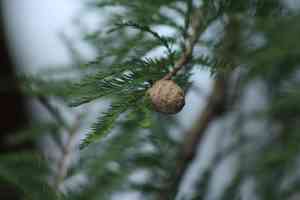
The montezuma bald cypress, a water-loving, deciduous tree, exhibits a conical structure with slender, needle-like leaves. Appropriate trimming is crucial for its well-being and appearance. Remove any lifeless or ailing branches and lightly sculpt as necessary to uphold its inherent outline. The most effective time for pruning is during winter dormancy, which encourages robust growth in spring. It is essential to refrain from topping; instead, cuts should be made to a side branch. This practice safeguards its structural soundness, diminishes the likelihood of disease, and fosters a robust, appealing crown.
What Are the Benefits of Pruning Montezuma Bald Cypress?
What Are the Benefits of Pruning Montezuma Bald Cypress?
Trimming montezuma bald cypress is crucial for promoting robust development and preserving its desired form. Deliberate cutting back encourages new, healthy limbs and foliage, while shaping creates a more visually appealing structure, aligning with landscape requirements.
What Is the Best Time for Pruning Montezuma Bald Cypress?
What Is the Best Time for Pruning Montezuma Bald Cypress?
During late winter, montezuma bald cypress is dormant, which minimizes stress and sap loss from pruning. This timing also allows for quick wound closure with the arrival of spring growth. It prevents cut areas from exposure to harsh winter conditions that could cause damage or disease. Additionally, without leaves, the branch structure is more visible, enabling more precise and effective pruning.
What Tools Do I Need to Prune Montezuma Bald Cypress?
Bypass Pruners
Perfect for making clean cuts on young, green branches and leaves of montezuma bald cypress, ensuring minimal harm to plant tissues.
Loppers
These long-handled pruners offer leverage to cut through thicker branches of montezuma bald cypress, typically up to 1.5 inches in diameter, which is vital given the size montezuma bald cypress can attain.
Pruning Saw
For mature montezuma bald cypress with branches exceeding the capacity of loppers, a pruning saw is necessary for diameters greater than 1.5 inches.
Pole Pruner
Given the height montezuma bald cypress can reach, a pole pruner can be used to access and trim higher branches without needing a ladder.
How to Prune Montezuma Bald Cypress
Identify
Carefully inspect montezuma bald cypress to locate dead or diseased branches. Signs of dead branches include an absence of leaves or bark and a brittle texture. Diseased branches may show discoloration, fungal growth, or unusual swelling.
Clean Cut
Make precise cuts using sharp, sterilized pruning tools. For dead branches, cut back to the point of living tissue, ensuring a smooth cut that doesnât tear the bark. Diseased branches should be removed well below the affected area to prevent disease spread.
Dispose
Immediately discard all removed branches away from healthy parts of montezuma bald cypress. Disinfect tools after cutting diseased branches to prevent cross-contamination when continuing pruning or trimming other plants.
Healing
Allow montezuma bald cypress to heal naturally without applying wound dressings. Montezuma bald cypress typically seals its own wounds effectively, and dressings can sometimes hinder this natural process.
Maintenance
Regularly check montezuma bald cypress throughout the growing season for signs of dead or diseased wood and prune as needed. Consistent observation and timely removal of problematic branches can prevent larger issues and promote the health and shape of montezuma bald cypress.
Common Pruning Mistakes with Montezuma Bald Cypress
Over-Pruning
Removing too much foliage from montezuma bald cypress can stress the tree, potentially leading to poor health and reduced vigor.
Improper Cut Locations
Cutting too close to the trunk or leaving stubs during pruning can harm montezuma bald cypress, as incorrect cut locations can create entry points for pests and diseases.
Flush Cutting
Flush cutting against the trunk removes the branch collar, an area important for proper wound healing, which can lead to decay in montezuma bald cypress.
Topping
Topping, or cutting off the upper part of montezuma bald cypress, is a harmful practice that can lead to weak new growth and increased vulnerability to pests and diseases.
Shearing
Shearing montezuma bald cypress into formal shapes is not recommended, as it can damage the natural structure and appearance of the tree.
Ignoring Deadwood
Neglecting to remove dead or broken branches can lead to decay and potentially become a hazard.
Common Pruning Tips for Montezuma Bald Cypress
Sharp Tools
Use sharp, clean pruning tools to make precise cuts on montezuma bald cypress, which aid in faster healing and decrease the likelihood of disease.
Selective Pruning
Practice selective pruning by removing only the necessary branches to maintain the natural form of montezuma bald cypress and to enhance its health and structure.
Branch Collar
When removing branches, make cuts just outside the branch collar to promote proper wound closure and prevent damage to montezuma bald cypress.
Deadwood Removal
Regularly check and remove dead, diseased, or broken branches from montezuma bald cypress to maintain its health and prevent potential hazards.
Thinning
Thin out dense areas of montezuma bald cypress's canopy to increase light penetration and air circulation, which can reduce the risk of disease.
Growth Direction
Encourage the desired growth direction by making pruning cuts that stimulate montezuma bald cypress to grow away from structures or other plants.



