How to Prune Dandelion?
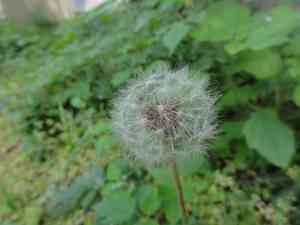
Celebrated for its vibrant yellow blossoms and therapeutic attributes, dandelion is a perennial herb capable of flourishing in diverse environments. Trimming dandelion entails removing faded flowers to stimulate further blooming and eliminating withered or deceased foliage to sustain the plant's vitality. The ideal period for pruning spans spring, summer, and autumn, aligning with the plant's vigorous growth cycles. Pruning benefits dandelion by fostering more robust development, diminishing areas for pests, and managing its proliferation in cultivated spaces.
What Are the Benefits of Pruning Dandelion?
What Are the Benefits of Pruning Dandelion?
Trimming dandelion promotes more robust development, stimulates blossom production, and helps maintain its desired form. It's crucial for dandelion's vitality, ensuring it flourishes and enhances the garden's aesthetic.
What Is the Best Time for Pruning Dandelion?
What Is the Best Time for Pruning Dandelion?
Spring is ideal for pruning dandelion as the plant emerges from dormancy and begins new growth. Trimming in early Spring encourages a more controlled shape and redirects dandelion's energy to produce strong foliage and healthier blooms. Fall, after the flowering cycle concludes, is also suitable. Pruning dandelion in the Fall helps remove spent flowers and can prevent unwanted seed dispersal, which contributes to the plant's invasive nature. Summer is less optimal as pruning during active growth can stress dandelion and stimulate undesirable growth, leading to reduced vitality. Additionally, avoiding pruning during wet conditions is important to prevent disease spread.
What Tools Do I Need to Prune Dandelion?
Hand Weeding Tool
A hand weeding tool, such as a dandelion digger or weeder, is essential for removing dandelion from the garden. These tools feature a forked tip that allows the gardener to get beneath the root of dandelion, prying it out of the ground to help ensure the entire root is extracted. Because dandelion has a deep taproot, using a tool that can reach its full length is important for effective removal.
Manual Lawn Aerator
A manual lawn aerator can be useful when addressing dandelion in a lawn. While not a traditional pruning tool, it helps by loosening the soil around dandelion, making it easier to extract the deep taproots whole.
Garden Gloves
Wearing garden gloves is recommended when pruning dandelion. Although dandelion lacks thorns, gloves protect your hands from dirt and provide a better grip on weeding tools.
Garden Trowel
A sturdy garden trowel can assist in loosening the soil around dandelion, making it simpler to remove the plant along with its root system.
How to Prune Dandelion
Disinfect Tools
Before starting, sanitize your pruning shears or scissors with alcohol or a bleach solution to prevent the spread of disease to dandelion.
Remove Diseased Leaves
Identify and carefully remove any diseased leaves from dandelion using the shears, ensuring not to pull or tear to prevent damage to the root system.
Trim Withered Leaves
Cut back any withered leaves at their base, close to the ground, to promote the growth of healthy foliage in dandelion.
Deadhead Flowers
Remove withered flower heads of dandelion by snipping them off at the stem below the flower head to encourage new blooms and prevent self-seeding if desired.
Cleanup
Collect and dispose of all removed parts of dandelion away from the garden to reduce the risk of disease or pests spreading to healthy plants.
Common Pruning Mistakes with Dandelion
Overpruning
Removing too much foliage from dandelion can weaken the plant, as it relies on its leaves for photosynthesis to produce the energy needed for growth and flowering.
Pruning Flower Heads Too Early
Cutting the flower heads of dandelion before they have a chance to seed can prevent the plant from propagating naturally, which is typically a desire for those wishing to maintain a supply of dandelion.
Not Using Clean Tools
Using tools that are not properly sanitized can introduce diseases to dandelion, which may not be as resistant as other garden plants. Ensuring that tools are clean helps prevent the spread of pathogens.
Incorrect Cutting Method
Making improper cuts can damage the plant tissue of dandelion and hinder its ability to heal, leaving it susceptible to disease and pest infestations.
Common Pruning Tips for Dandelion
Deadheading
For dandelion grown for medicinal or culinary purposes, removing spent flowers regularly can promote a tidier appearance and potentially encourage further blooming.
Pruning Back Leaves
If the leaves of dandelion are overgrown or appear unsightly, they can be pruned back to the base to maintain a neat appearance without affecting the plant's vigor.
Encouraging Spread
If natural propagation is desired, allow some flower heads of dandelion to go to seed before pruning, which will enable the plant to spread more effectively.
Tool Selection
Choosing the right tool, like garden scissors or hand pruners, and keeping it well-maintained will result in clean cuts without damaging dandelion.
Gentle Handling
Handling dandelion gently during pruning is essential as rough treatment can harm the roots and foliage of this somewhat delicate species.



