How to Prune Feverfew?
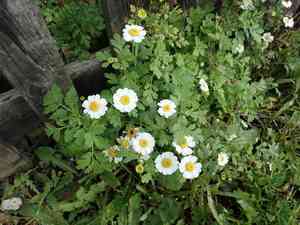
Known for its daisy-like blossoms and historical application in botanical treatments, feverfew thrives with trimming to foster denser development and boost bloom production. Essential methods involve removing faded blooms and shortening elongated stalks. The most effective time for pruning is from the beginning of spring through the end of summer, following flowering, to deter self-propagation and stimulate robustness. Particular aspects include light trimming to preserve its inherent form and possible revitalization of mature specimens through more aggressive cuts.
What Are the Benefits of Pruning Feverfew?
What Are the Benefits of Pruning Feverfew?
Trimming feverfew promotes robust development and helps maintain its form, preventing it from becoming overly elongated or sparse. Consistent cutting back encourages denser foliage, potentially boosts flowering, and keeps feverfew visually appealing.
What Is the Best Time for Pruning Feverfew?
What Is the Best Time for Pruning Feverfew?
Early spring is optimal for trimming feverfew as the plant emerges from dormancy, allowing for the removal of any dead or damaged sections before vigorous growth begins. This fosters a healthier plant and more abundant blooms. Late summer pruning is advantageous as it can help manage feverfew's size and shape, deter unwanted self-seeding, and encourage a second flowering in certain climates. It is crucial to prune before the plant prepares for dormancy in the fall. These specific periods ensure feverfew retains its vitality, maintains an attractive form, and can effectively continue its growth cycle.
What Tools Do I Need to Prune Feverfew?
Hand Pruners
Feverfew is a relatively small, bushy plant that typically requires only light trimming to remove dead or spent blossoms and to shape the plant. Hand pruners, also known as secateurs, are perfect for making clean cuts on slender stems without causing unnecessary harm to the plant tissue.
Pruning Shears
For thicker or woody stems that hand pruners might struggle with, pruning shears offer the necessary leverage and cutting power. These are essential for cutting back feverfew during its dormant period or when undertaking more significant pruning tasks.
Gardening Gloves
While feverfew is not particularly thorny or dangerous, wearing gardening gloves can shield hands from the sap, which can sometimes cause skin irritation, and ensure a better grip on the tools being used.
Garden Scissors
When needing to thin out dense growth or to harvest feverfew leaves and flowers for medicinal purposes, garden scissors provide precision and ease in reaching into tight areas within the foliage.
Disinfectant Solution
Cleaning pruning tools before and after use helps prevent the spread of disease. A simple disinfectant solution can be used to wipe blades to avoid introducing pathogens to the healthy parts of feverfew.
Step-by-Step Pruning Approach
Start by examining feverfew for dead, diseased, or damaged stems. Proceed by removing these with hand pruners or pruning shears as needed. Shape the plant by cutting back elongated stems. Conclude by cleaning and disinfecting all tools utilized.
How to Prune Feverfew
Step1: Gather Proper Pruning Tools
Collect the appropriate pruning tools such as sharp scissors, secateurs, or pruning shears to ensure clean cuts that will help protect feverfew from diseases.
Step2: Disinfect Pruning Equipment
Sanitize your pruning tools using isopropyl alcohol or a 10% bleach solution to prevent the spread of pathogens.
Step3: Prune Dead Flowers for Reblooming
Remove spent flowers by cutting the flower stems just above the first set of healthy leaves. This will encourage feverfew to produce more blooms.
Step4: Remove Dead Stems Near Base
Cut off dead stems close to the base of feverfew, being careful not to cut into the main crown of the plant. Aim for a cutting point that is just above where new buds are forming on the stem.
Step5: Trim Drying Leaves
Trim drying leaves by cleanly cutting them at the base of their stem. Remove only the leaves that are more than 50% damaged or dried out to avoid unnecessary stress on feverfew.
Step6: Shape Plant with Selective Cutting
Shape feverfew by selectively cutting back leggy stems to promote a more compact and bushier growth habit. Make cuts just above new leaf nodes or lateral branches.
Step7: Thin Out Dense Growth
Thin out feverfew if it is overly dense, to increase air circulation and reduce the risk of fungal diseases. Remove some of the inner stems by cutting them at their base without disturbing the overall shape of the plant.
Step8: Clean Up Plant Debris Post-Pruning
After pruning, clear away all the cuttings from around feverfew to prevent disease and pest infestation.
Step9: Water Plant After Pruning
Water the feverfew after pruning, as it can help the plant recover and provide a good growing environment for new growth.
Step10: Monitor Plant's Post-Pruning Recovery
Observe the pruned feverfew for signs of new growth or any issues, adjusting care as necessary.
Post-Pruning Care for Feverfew
Post-Pruning Care for Feverfew
After trimming feverfew, promptly water the plant to minimize stress. Ensure it is placed in conditions with moderate sunlight, avoiding direct exposure to prevent leaf damage. Maintain a consistent temperature and humidity level suitable for feverfew to facilitate recovery. A balanced, slow-release fertilizer may be applied to support new growth. Regularly monitor feverfew for wilting or discolored leaves which could indicate stress or infection. Address any issues promptly with appropriate plant healthcare methods.
Common Pruning Mistakes with Feverfew
Over-Pruning Stress
Trimming feverfew too aggressively can cause stress to the plant, hindering its ability to recover and thrive. Avoid cutting back more than a third of the plant at once.
Dull or Dirty Tools Harm
Using dull or dirty pruning tools can damage the stems of feverfew and introduce diseases. Always use clean, sharp tools to make clean cuts.
Neglected Deadheading Reduces Bloom
Failing to remove spent flowers or deadheading can lead to reduced blooming in future seasons as feverfew may invest energy in seed production rather than new flowers.
Pruning Without Clear Goal
Pruning without a clear objective can result in a poorly shaped plant. Determine whether the goal is to maintain size, encourage bushier growth, or promote more flowers before starting.
Common Pruning Tips for Feverfew
Pinching for Bushier Growth
Pinch back the tips of feverfew early in the season to promote a bushier plant with more flowers. Pinching involves removing the growing tips with your fingertips or pruning shears.
Regular Deadheading for More Flowers
Regularly deadhead feverfew by removing faded or dead flowers to encourage continuous blooming throughout the growing season.
Selective Pruning for Rejuvenation
To rejuvenate an overgrown feverfew, perform selective pruning of the oldest stems to allow light and air to reach the center of the plant, stimulating new growth from the base.
Late Season Cut-Back for Revitalization
Cut back the foliage of feverfew in late summer or early fall if it becomes leggy or sparse, to revitalize its appearance and prepare it for the next growing season.



