How to Prune Canary islands tamarisk?
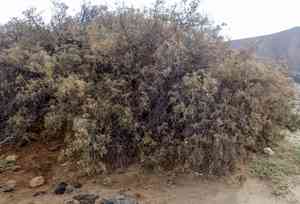
A unique bush recognized for its thick, plume-like leaves, canary islands tamarisk flourishes in seaside habitats. To preserve its form and stimulate robust development, trimming ought to be carried out in late winter or early spring prior to the emergence of new shoots. Cut back older limbs to foster branching and eliminate deceased or compromised wood to improve the plant's well-being. Consistent trimming also aids in managing its expansion, which is vital for averting its invasive tendencies in certain areas.
What Are the Benefits of Pruning Canary Islands Tamarisk?
What Are the Benefits of Pruning Canary Islands Tamarisk?
Trimming canary islands tamarisk promotes robust development and helps keep its desired form. Regular cutting eliminates old or weak branches, fostering healthier, denser foliage, and ensures the plant remains well-proportioned within its setting.
What Is the Best Time for Pruning Canary Islands Tamarisk?
What Is the Best Time for Pruning Canary Islands Tamarisk?
Pruning canary islands tamarisk from late winter to early spring is optimal as it coincides with the plant's dormant phase before new growth starts. This timing helps minimize stress on canary islands tamarisk, allowing it to recover and grow vigorously once the active season begins. Pruning prior to new growth ensures cuts heal quickly and lowers the risk of disease. Furthermore, it enables gardeners to effectively shape the plant and manage its size, enhancing both the aesthetic and health aspects of canary islands tamarisk. Pruning during this period also avoids removing newly formed buds, which are essential for the plant's flowering.
What Tools Do I Need to Prune Canary Islands Tamarisk?
Hand Pruners
Perfect for making precise cuts on smaller branches of canary islands tamarisk, ensuring clean, healthy cuts that aid rapid healing.
Loppers
Most suitable for cutting thicker branches, up to 2 inches in diameter, often found in the mature sections of canary islands tamarisk. Loppers offer leverage for more substantial cuts without harming the plant.
Pruning Saw
Essential for larger branches exceeding 2 inches in diameter. A pruning saw allows gardeners to manage thick, mature branches of canary islands tamarisk efficiently.
Shears
Excellent for shaping and managing the dense foliage of canary islands tamarisk, facilitating even and visually appealing growth.
How to Prune Canary Islands Tamarisk
Identify
Thoroughly examine canary islands tamarisk to locate all dead and diseased branches. Look for branches that appear dry, brittle, or discolored, and those showing signs of fungal growth or insect damage.
Sanitize
Before pruning, disinfect your tools with rubbing alcohol or a bleach solution to prevent disease spread. This step is crucial for maintaining the health of canary islands tamarisk.
Cut
Using sharp, clean pruning shears, cut dead and diseased branches at their origin point or back to healthy wood. Make cuts at a 45-degree angle to promote water runoff and deter disease.
Dispose
Remove all pruned material from around the base of canary islands tamarisk. Dispose of it properly, ideally by burning or off-site removal to prevent disease from spreading in the garden.
Inspect
After pruning, check canary islands tamarisk for any remaining signs of illness or stress. Examine the pruning cuts for cleanliness and note any areas that might need further attention in future pruning sessions.
Common Pruning Mistakes with Canary Islands Tamarisk
Overpruning
Removing too much foliage from canary islands tamarisk at once can severely weaken the plant. It's vital to prune no more than one-third of the total growth to maintain canary islands tamarisk's health and vigor.
Incorrect cuts
Improper cutting methods, such as tearing or leaving jagged edges, can introduce pests and diseases to canary islands tamarisk. Always use sharp, clean pruning shears or loppers to make clean, smooth cuts just above leaf nodes.
Neglecting deadwood
Failing to remove dead or diseased wood promptly can impede canary islands tamarisk's growth and spread decay. Regular inspection and removal of unhealthy branches are essential for maintaining a healthy plant.
Common Pruning Tips for Canary Islands Tamarisk
Selective pruning
Focus on thinning rather than topping. Selectively remove branches to improve light penetration and air circulation within the canopy of canary islands tamarisk, which encourages healthier growth and bloom.
Structural integrity
Aim to maintain or develop a strong, well-shaped framework that supports canary islands tamarisk's growth. Remove crossing or competing branches to avoid future structural issues.
Post-bloom care
Since deferring information about specific timing, after canary islands tamarisk's flowering period, prudent trimming of spent blooms can promote another blooming phase. This is particularly effective if done shortly after the initial flowers have wilted.



