How to Prune Tamarind?
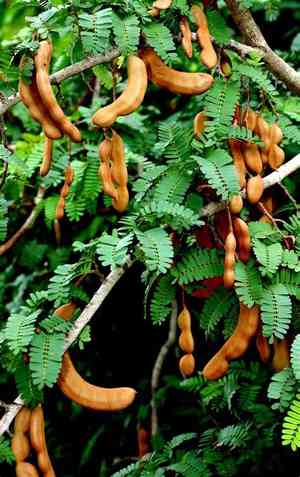
This evergreen tree, native to the tropics, is recognized for its thick leaves and palatable, pod-shaped fruit. When trimming tamarind, focus on eliminating branches that are dead, ailing, or fractured. Reduce density in congested zones to improve air movement and light access, which lessens pest issues and encourages fruit production. The ideal period for pruning is in spring, before the active growing phase. Trimming can sculpt the crown, boost vitality, and augment harvest, but it must be performed judiciously to prevent strain and excessive sun exposure.
What Are the Benefits of Pruning Tamarind?
What Are the Benefits of Pruning Tamarind?
Trimming tamarind encourages robust development, resulting in a greater fruit yield. Regular cutting helps maintain its desired form and size, making the plant easier to manage and more visually appealing.
What Is the Best Time for Pruning Tamarind?
What Is the Best Time for Pruning Tamarind?
Pruning tamarind in late winter or early spring is most advantageous as it coincides with the end of its dormant phase and just before the start of its growth cycle. Pruning during this period promotes vigorous growth, allows the gardener to shape the canopy for the upcoming year, and improves air circulation within the plant's structure. This timing also reduces the likelihood of tamarind developing pruning-related ailments, which are more common in the wet conditions of late spring or summer. Furthermore, pruning before tamarind's flowering season ensures that flower buds are not inadvertently removed, thereby safeguarding its fruit production potential.
What Tools Do I Need to Prune Tamarind?
Bypass Pruners
Perfect for making precise cuts on young or smaller tamarind branches without crushing the plant tissue.
Loppers
These offer leverage for cutting thicker branches, typically up to 1.5 inches in diameter, which is useful for tamarind's medium-sized limbs.
Pruning Saw
For branches thicker than what loppers can handle, a pruning saw is essential. Tamarind may have some branches that require the use of a saw.
Pole Saw
Since tamarind can grow quite tall, a pole saw will assist in safely trimming higher branches from the ground.
Pruning Shears
Useful for shaping and controlling the canopy by snipping off small twigs and leaves of tamarind.
Chainsaw
For mature tamarind trees with very thick branches or for significant cuts, a chainsaw might be necessary. It should be used with caution and potentially by a professional.
How to Prune Tamarind
Clean And Sharpen Tools
Before pruning tamarind, clean and sharpen all pruning tools to ensure precise cuts and reduce the risk of spreading disease.
Safety Preparation
Wear protective gloves and eyewear to prevent injury from thorns and debris when pruning tamarind.
Remove Dead Branches
Carefully cut away dead branches from tamarind at their point of origin or back to a main branch, avoiding damage to the collar. Make clean cuts to aid the healing process.
Eliminate Diseased Branches
Identify and prune any diseased branches on tamarind, cutting them back to healthy tissue to prevent further infection. Disinfect tools after each cut to avoid contamination.
Thin Crown
Thin out the crown of tamarind if necessary, to ensure adequate air circulation and sunlight penetration, by selectively removing some of the additional branches that are not dead or diseased.
Common Pruning Mistakes with Tamarind
Over-Pruning
Removing too much foliage from tamarind can stress the plant, reduce fruit production, and make the plant vulnerable to diseases or pests.
Using Dull Tools
Dull pruning tools can cause jagged cuts that are more susceptible to infections.
Improper Cut Locations
Cutting too close to the trunk or main branches can damage tamarind's growth buds and lead to improper healing.
Neglecting Sanitation
Not sterilizing pruning tools can spread diseases between plants when pruning tamarind.
Ignoring Diseased Limbs
Failing to remove or notice diseased, damaged, or dead limbs can lead to further decay and negatively impact tamarind's health.
Common Pruning Tips for Tamarind
Selective Pruning
Thin tamarind selectively to maintain its natural form, focusing on removing only the necessary branches to improve air circulation and light penetration.
Clean Cuts
Make clean cuts at a slight angle away from the bud to promote healing and prevent water accumulation that can cause rot.
Tool Care
Use sharp, clean pruning tools to ensure precise cuts and reduce the risk of infection in tamarind.
Branch Collars
When removing larger branches, cut just outside the branch collar to promote proper wound closure and protect tamarind's main structure.
Removal Order
Prune dead and diseased limbs first, followed by crossing or rubbing branches to minimize injury and maximize the health of tamarind.



