How to Prune Pink trumpet tree?
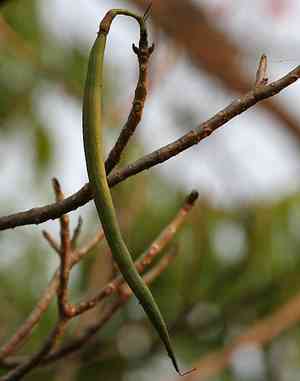
A tropical, leaf-shedding tree celebrated for its vivid pink flowers, pink trumpet tree benefits most from pruning in early spring or late winter to encourage development and a profuse floral show. Pruning methods involve reducing crowded branches to enhance light exposure and air movement, eliminating dead or ailing wood, and trimming any growth that detracts from the tree's inherent shape. Pruning additionally fosters a sturdy framework, lessening the chance of harm from gusts or heavy loads. Consistent, proper pruning sustains vigor and amplifies flowering.
What Are the Benefits of Pruning Pink Trumpet Tree?
What Are the Benefits of Pruning Pink Trumpet Tree?
Trimming pink trumpet tree promotes robust development and preserves its decorative form. Strategic cuts stimulate new growth, resulting in a denser, healthier canopy and enhancing its vibrant floral display. Regular shaping also controls size, ensuring pink trumpet tree beautifies landscapes without becoming overgrown.
What Is the Best Time for Pruning Pink Trumpet Tree?
What Is the Best Time for Pruning Pink Trumpet Tree?
Pruning in late winter benefits pink trumpet tree by preparing it for the new growth that typically arrives with spring. This timing allows for the removal of any cold-damaged branches before the growing season starts, ensuring the plant's energy is directed towards producing healthy new shoots. Early spring pruning is equally advantageous as it occurs before pink trumpet tree's growth spurt. This timing also avoids cutting the plant during its flowering period, which usually happens in spring or early summer. By pruning in early spring, gardeners ensure the natural flowering cycle is not interrupted, maintaining pink trumpet tree's ornamental value. Additionally, pruning during these recommended seasonal windows helps reduce the risk of pest infestation and disease, as wounds can heal quickly with the onset of the growth season.
What Tools Do I Need to Prune Pink Trumpet Tree?
Pruning Shears
Perfect for making precise cuts on smaller branches of pink trumpet tree, minimizing plant damage.
Loppers
Best for cutting thicker branches out of reach with shears, especially since pink trumpet tree can grow quite tall.
Pruning Saw
Essential for larger branches too thick for loppers, providing necessary force and accuracy without causing jagged cuts.
Pole Pruner
Useful for reaching high branches without a ladder, improving safety and efficiency in maintaining pink trumpet tree.
Gardening Gloves
Crucial for personal protection from sharp tools and rough bark, preventing cuts and scrapes while working with pink trumpet tree.
Cleaning Solution
To prevent disease spread by cleaning all tools before and after use on pink trumpet tree, maintaining plant health.
How to Prune Pink Trumpet Tree
Identify
Examine pink trumpet tree to differentiate healthy branches from dead or diseased ones. Look for discolored, withered, or abnormally grown branches, which indicate disease or death.
Disinfect
Before beginning pruning, sanitize your cutting tools with a solution of 1 part bleach to 9 parts water to prevent disease transmission to healthy parts of pink trumpet tree.
Prune Dead Branches
Using sharp, sterilized pruning shears, remove dead branches with clean cuts at a 45-degree angle, about a quarter inch above a healthy bud or branch junction. Ensure cuts are made on branches that show no green when lightly scraped to confirm they are dead.
Prune Diseased Branches
Carefully cut away diseased branches, ensuring the entire affected area is removed. If only a portion of the branch is affected, cut back to a healthy part of the branch, ensuring no diseased tissue remains.
Clean Up
After pruning, clear all removed branches and leaves from around pink trumpet tree to prevent potential disease spread. Dispose of diseased material in a way that won't contaminate compost or other garden areas.
Common Pruning Mistakes with Pink Trumpet Tree
Overpruning
Removing too much growth can stress pink trumpet tree, leading to reduced flowering or even plant demise.
Improper Technique
Using dull or dirty pruning tools can harm pink trumpet tree's branches, creating jagged cuts more vulnerable to pest infestations and diseases.
Neglecting Health Assessment
Failing to inspect pink trumpet tree's health before pruning might result in cutting healthy wood instead of targeting only dead, diseased, or interfering branches.
Severe Topping
Cutting pink trumpet tree back too drastically, often called topping, can cause weak new growth that is poorly attached to the tree and more likely to break off.
Common Pruning Tips for Pink Trumpet Tree
Sharp Tools
Use sharp, clean pruning shears to make clean cuts that heal quickly, minimizing disease risk.
Cutting Angle
Make angled cuts just above a bud or branch node to encourage pink trumpet tree's desired growth direction without leaving stubs that can lead to decay.
Selective Thinning
Removing specific branches to improve light penetration and air circulation can help maintain pink trumpet tree's health and stimulate its growth.
Assess And Remove
Regularly check pink trumpet tree for dead, diseased, or crossing branches to remove, focusing on maintaining a strong, well-spaced branch structure.



