How to Prune Malabar plum?
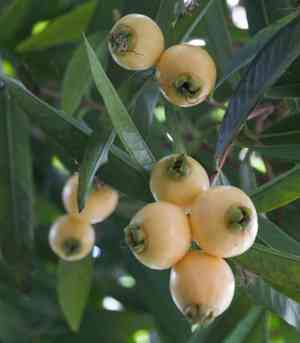
Distinguished by its aromatic white blossoms and palatable fruits, malabar plum is a tropical perennial. Trimming should concentrate on eliminating lifeless or ailing limbs, reducing crowded growth to allow light to pass through, and sculpting for visual appeal. The ideal time is springtime when the plant is less susceptible to strain. Pruning fosters more vigorous foliage and abundant fruit yield. Refrain from extensive cutting to avert trauma. Consistent upkeep trimming enhances the plant's framework and vigor.
What Are the Benefits of Pruning Malabar Plum?
What Are the Benefits of Pruning Malabar Plum?
Trimming malabar plum encourages more robust development, resulting in a plentiful yield. It also aids in maintaining a manageable form and size, improving the plant's look and vitality.
What Is the Best Time for Pruning Malabar Plum?
What Is the Best Time for Pruning Malabar Plum?
Late winter to early spring is considered the ideal time for pruning malabar plum because this period precedes the plantâs primary growth phase, allowing gardeners to shape the plant without disrupting its natural flowering or fruiting cycles. Pruning during this time promotes vigorous growth and helps maintain the plant's health by removing any dead or diseased branches before new growth begins. It also prevents the loss of too many flowers or fruits that would occur if pruning were done during or just before the flowering and fruiting periods. Moreover, in late winter, the plant is often in a dormant state, which minimizes stress and helps the plant recover faster from pruning.
What Tools Do I Need to Prune Malabar Plum?
Hand Pruners
Perfect for making precise cuts on smaller branches and twigs of malabar plum. They offer exact control over the cutting process, crucial for the plant's health and form.
Lopping Shears
These are suitable for cutting through thicker branches of malabar plum that hand pruners cannot handle. Their long handles provide leverage to make pruning less labor-intensive.
Pruning Saw
For the largest branches of malabar plum, a pruning saw is necessary. Its sharp teeth can cut through wood that's too thick for lopping shears, and it can do so without causing unnecessary damage to the plant.
Hedge Shears
When shaping hedges or creating a formal appearance, hedge shears are effective for trimming the small leafy branches of malabar plum. They allow for even, straight cuts across a larger area.
Pole Pruner
For reaching higher branches of malabar plum without a ladder, a pole pruner with a saw or lopping attachment can be used. This tool is essential for trimming branches that are out of normal reach while maintaining safety.
How to Prune Malabar Plum
Clean Tools
Before pruning malabar plum, sanitize all pruning tools with a solution of one part bleach to nine parts water to prevent the spread of disease.
Inspect Plant
Examine malabar plum closely, identifying any dead or diseased branches that need to be removed. This includes branches with visible signs of damage, decay, or fungal growth.
Cut Dead Branches
Using sharp, clean pruning shears, make clean cuts to remove the dead branches. Cut at a 45-degree angle just above a node or lateral branch, avoiding any stubs that can invite pests or disease.
Remove Diseased Branches
After removing dead branches, focus on diseased branches. Cut them back to healthy tissue, well below any signs of disease. Dispose of these carefully to prevent contaminating compost or nearby plants.
Final Cleanup
Once pruning is complete, clean up all removed plant material from the base of malabar plum to maintain good hygiene and remove any potential sources of disease.
Common Pruning Mistakes with Malabar Plum
Over-Pruning
Removing more than one-third of malabar plum's foliage can stress the plant, leading to weakened defenses against pests and diseases.
Improper Cuts
Making cuts that are too close to the main stem or leaving stubs can cause diseases and impede healthy regrowth.
Pruning During Active Growth
Trimming malabar plum when it's actively growing can lead to excessive sap loss and reduced vigor.
Neglecting Tool Hygiene
Using unclean tools can spread pathogens between plants, risking infections which may stunt or damage malabar plum.
Ignoring Shape
Failing to consider the natural shape of malabar plum during pruning can result in an unbalanced, unhealthy appearance and growth pattern.
Common Pruning Tips for Malabar Plum
Sharp Tools
Use sharp, clean pruning shears or loppers to make clean cuts that will heal quickly, preventing disease entry.
Selective Thinning
Remove only the necessary branches to maintain good air circulation and light penetration, which encourages malabar plum's health and flowering.
Cutting Angle
Cut branches at a 45-degree angle facing away from the bud to promote proper healing and regrowth in the desired direction.
Dead Or Diseased Limbs
Regularly remove dead, diseased, or damaged branches to prevent the spread of disease and to improve overall plant structure.
Height Control
If height control is a concern, prune malabar plum by cutting back the tallest branches to a lower outward-facing bud to encourage a more compact and bushier appearance.



