How to Prune Java plum?
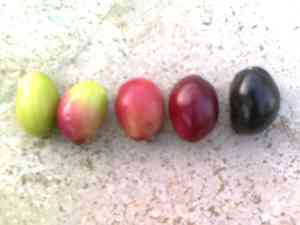
Originating from the Indian subcontinent, java plum is a tropical fruit-bearing tree known for its thick foliage and medicinal qualities. Trimming should concentrate on eliminating deceased or ailing branches, reducing congested limbs to enhance airflow, and sculpting the top to preserve its form. The optimal period for pruning is in spring, following the harvest. Meticulous pruning guarantees a greater fruit yield and boosts immunity to diseases, greatly contributing to the tree's well-being and productivity.
What Are the Benefits of Pruning Java Plum?
What Are the Benefits of Pruning Java Plum?
Trimming java plum boosts fruit production, invigorates growth, and maintains a desired shape. Strategic cuts encourage healthy branching, improve light exposure, and enhance air circulation, lowering disease risk and promoting a plentiful harvest.
What Is the Best Time for Pruning Java Plum?
What Is the Best Time for Pruning Java Plum?
Pruning java plum from late winter to early spring, just before the growth period begins, is optimal. This timing allows for the removal of any cold-damaged branches and shaping the tree without hindering the upcoming flush of growth. Trimming during this phase also minimizes stress on java plum as it remains dormant and can recover more effectively without diverting energy from blooming and fruiting. Furthermore, pruning before new leaves and fruit develop ensures better sunlight penetration and air movement, reducing disease risk and fostering healthier plant structure.
What Tools Do I Need to Prune Java Plum?
Hand Pruners
For cutting small branches and foliage, hand pruners are perfect for java plum due to their precise cutting ability.
Lopping Shears
Lopping shears offer longer handles for leverage, which is useful for severing thicker java plum branches that hand pruners cannot manage.
Pruning Saw
A pruning saw is essential for java plum to cut through branches exceeding 1.5 inches in diameter, ensuring clean cuts without harming the tree.
Pole Pruner
To reach higher java plum branches without a ladder, a pole pruner combines a saw and a lopper, offering versatility.
Hedge Shears
Though not typically used on trees, hedge shears can be utilized for shaping the outermost leaves of java plum if a formal hedge appearance is desired.
How to Prune Java Plum
Identify
Examine java plum for dead or diseased branches, which usually show discoloration, dryness, and a lack of leaves or fruit.
Sanitize
Before cutting, disinfect your pruning tools with a mixture of 1 part bleach to 9 parts water to prevent spreading disease to healthy parts of java plum.
Cut
Using sharp, clean pruning shears, remove dead branches close to the trunk or main limb without damaging the branch collar. For diseased branches, cut at least several inches into healthy wood beyond the affected area.
Dispose
Promptly discard all removed material away from java plum to prevent any potential spread of disease or pests.
Inspect
After pruning, check the tree for any additional signs of disease or dieback, and repeat the process if necessary, ensuring that cuts are clean and smooth.
Common Pruning Mistakes with Java Plum
Over-Pruning
Removing too much foliage from java plum can stress the plant, hinder its growth, and make it vulnerable to disease. It's vital to prune no more than one-third of the canopy at a time.
Improper Cutting Technique
Using dull or dirty pruning tools can damage java plum branches, leading to jagged cuts that are more susceptible to pests and disease. Always use clean, sharp tools.
Neglecting Diseased Limbs
Failing to remove diseased, damaged, or dead limbs from java plum can spread the issue to the rest of the plant. These should be prioritized during pruning.
Pruning Without Plan
Randomly cutting branches without understanding java plum's growth pattern can result in an unbalanced structure and poor air circulation within the canopy.
Ignoring Natural Shape
Over-shaping java plum or attempting to force it into an unnatural form can impede its growth and fruit production. Allow the plant to maintain its natural shape as much as possible.
Common Pruning Tips for Java Plum
Selective Pruning
Concentrate on thinning out crowded branches to improve light penetration and air flow, which will help maintain java plum's health and vigor.
Proper Wound Care
After making a cut, ensure the wound is clean and smooth to encourage rapid healing. Avoid tearing the bark or leaving stubs that could lead to decay or disease.
Tool Maintenance
Prioritize keeping pruning tools in good condition. Sharpen and disinfect shears or saws before use to minimize injury to java plum and reduce disease transmission.
Observant Pruning
Regularly monitor java plum to identify problem areas early. Prompt removal of diseased, pest-infested, or broken limbs can prevent larger issues.
Gradual Improvement
Instead of drastic pruning, opt for incremental improvements over several seasons, especially with mature java plum plants. This approach supports recovery and prevents shock.



