How to Prune Common lilac?
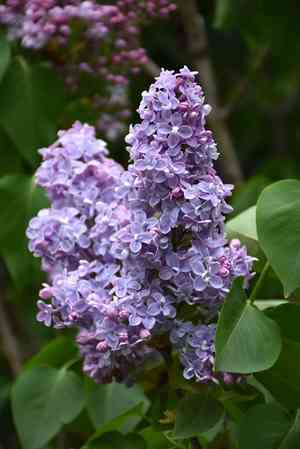
This leaf-shedding bush, renowned for its aromatic violet flowers, flourishes when trimmed after flowering. Remove withered flower groupings to stimulate vigorous development and fresh buds in common lilac. The ideal time for pruning is directly after its blossoms wilt in late spring to early summer, taking care not to cut into the current season's growth, which might diminish next year's flowering. Reducing older branches enhances air movement, boosting common lilac's general well-being and strength.
Advantages of Trimming Common Lilac
What Are the Benefits of Pruning Common Lilac?
Trimming common lilac promotes robust growth and abundant blooms while helping to maintain a compact and visually appealing form. It also assists in preventing pests and diseases by removing old or dead wood.
Optimal Time for Pruning Common Lilac
What Is the Best Time for Pruning Common Lilac?
Pruning common lilac in late spring or early summer is considered ideal because it allows gardeners to remove spent flowers and shape the plant after its blooming cycle has concluded, which typically occurs in the spring. Common lilac's bloom on old wood, meaning the flowers develop on growth from the previous year, not the current season's growth. Timing the pruning right after flowering helps ensure that the plant has enough time to set buds for the next year without risking the loss of the next season's blooms. This timing also allows for the plant to heal and for new growth to mature before the onset of winter. Additionally, removing dead or diseased branches during this period can prevent the spread of diseases and improve air circulation, which contributes to the overall health of common lilac.
Tools Required for Pruning Common Lilac
Hand Pruners
Perfect for making precise cuts on common lilac's young stems and twigs, allowing for accurate shaping and removal of faded flowers.
Loppers
Essential for cutting through thicker branches of common lilac that hand pruners cannot manage, typically those up to 1.5 inches in diameter.
Pruning Saw
Crucial for removing common lilac's mature, woody stems and larger branches that loppers cannot comfortably cut.
Gloves
A protective measure to keep the gardener's hands safe from thorns and rough bark during the pruning of common lilac.
Garden Shears
Useful for trimming and shaping the outer foliage of common lilac, helping to maintain an even and desirable shape.
Pruning Sealer
Sometimes applied after cutting larger branches to protect common lilac from diseases and pests, though its necessity is debated among horticulturalists.
How to Prune Common Lilac
Step1: Timing for Pruning
Select the appropriate time for pruning, which for common lilac is after the blooming period, typically late spring. Pruning earlier can remove the current season's flower buds.
Step2: Prepare Pruning Tools
Equip yourself with clean, sharp pruning tools to ensure clean cuts and reduce the risk of spreading diseases.
Step3: Remove Dead Wood
Begin by removing any dead wood. Cut these branches off at their base, but above where the branch breaks from the main stem or just above a set of leaves on a healthy part of the branch.
Step4: Deadhead Old Flowers
Prune old flowers, also known as deadheading, by cutting right below the spent flower cluster, just above the first set of leaves. This encourages common lilac to produce more blooms and prevents the plant from using energy to make seeds.
Step5: Excise Diseased Branches
Identify and remove diseased branches to prevent the spread of infection. Isolate the diseased parts and cut well below the affected area, into healthy wood, to ensure all diseased parts are removed.
Step6: Disinfect Tools
Disinfect tools between cuts when dealing with diseased wood by using a solution of 1 part bleach to 9 parts water or rubbing alcohol to minimize disease transmission.
Step7: Thin Out Crowded Areas
Shape common lilac by selectively thinning crowded areas. This improves air circulation and allows light to reach the interior parts of the plant. Remove no more than one-third of the overall growth to avoid shocking the plant.
Step8: Post-Pruning Cleanup
Cleaning up - After pruning, clean the area around common lilac to remove all cuttings, especially diseased materials, to discourage pests and further disease infections.
Step9: Pruning Remnants Disposal
Dispose of or compost the healthy pruning remnants. Diseased or dead wood should be destroyed or disposed of away from common lilac and other plants to prevent the spread of disease.
Step10: Shaping Young Plants
Considerations for young common lilac: If the lilac is in its formative years, focus on establishing a strong shape by selecting 3-5 main stems and removing any others that are competing for dominance. Additionally, prune to encourage a vase-like shape, which is preferable for common lilac.
Step11: Final Pruning Check
Review common lilac post-pruning to ensure that there is a balanced shape and that no stray branches were missed. This will ensure the health and aesthetic appeal of common lilac.
Post-Pruning Care for Common Lilac
Post-Pruning Care for Common Lilac
Immediately after pruning common lilac, ensure clean cuts to prevent disease. Provide ample sunlight but avoid scorching; maintain moderate humidity and stable temperatures. Support common lilac's recovery with balanced fertilization, avoiding excess nitrogen to prevent weak growth. Regularly inspect the pruning sites for signs of stress or infection, such as wilting or discoloration. If symptoms appear, treat promptly with appropriate fungicides or insecticides, following expert advice to prevent further damage.
Common Pruning Mistakes with Common Lilac
Over-pruning Stress Reduction in Flowering
Pruning too much at once, which can stress common lilac and reduce flowering for the subsequent season.
Improper Cutting leading to Poor Healing and Disease
Making cuts that are either too flush with the trunk or leaving too much of a stub, which can lead to improper healing and increased susceptibility to disease.
Spreading Diseases with Unsterilized Pruning Tools
Pruning without sterilizing tools, which can spread diseases to common lilac from infected plants.
Common Pruning Tips for Common Lilac
Sharp, Clean Shears for Quick Healing Cuts
Use sharp, clean pruning shears to make clean cuts that will heal quickly, minimizing the risk of disease.
Pruning Above Outward-Facing Buds for Shape and Growth
Cut just above a pair of outward-facing buds to encourage common lilac to develop a pleasing shape and to promote outward growth.
Gradual Rejuvenation by Pruning Oldest Stems Annually
Remove only one-third of the oldest stems at ground level each year to rejuvenate common lilac and maintain a consistent bloom each year.



