How to Prune Late Lilac?
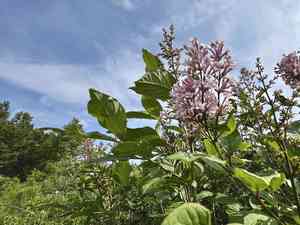
A member of the Oleaceae botanical group, the late Lilac is a resilient shrub recognized for its aromatic, purple-pink blossoms. Essential trimming methods involve excising deceased or ailing branches, sculpting for dimension management, and reducing dense sections to foster air movement. The most effective time for pruning is directly following its blooming period in late spring or early summer, given that late Lilac develops buds on mature wood. Consistent trimming improves the caliber of its flowers and sustains the plant's vitality, guaranteeing a rich, vivid presentation annually.
What Are the Benefits of Pruning Late Lilac?
What Are the Benefits of Pruning Late Lilac?
Trimming late Lilac is crucial for encouraging abundant flowering and strengthening its resistance to pests and diseases, thus ensuring a healthier and more visually appealing shrub.
What Is the Best Time for Pruning Late Lilac?
What Is the Best Time for Pruning Late Lilac?
In late spring, late Lilac has typically finished blooming, allowing for the removal of spent flowers and prompting the plant to direct energy towards robust new growth. Pruning in early summer helps shape the plant, manage its size, and maintain an attractive form without risking damage to next year's buds, which develop later in the summer. This timing also minimizes disease risk and permits wounds to heal before winter, promoting the overall health of late Lilac.
What Tools Do I Need to Prune Late Lilac?
Hand Pruners
For precise cuts on slender branches and refining the shape of late Lilac, hand pruners, also known as secateurs, are perfect. They facilitate clean cuts that encourage healthy regrowth.
Loppers
These long-handled pruners provide extended reach and leverage, which is advantageous for cutting thicker branches up to 1.5 inches in diameter. They help preserve the structure of late Lilac without harming the plant.
Pruning Saw
When larger branches exceeding 1.5 inches require removal, a pruning saw is essential. It enables efficient cutting through thick branches, vital for managing the size and health of late Lilac.
Gardening Gloves
To safeguard hands from cuts and scrapes during the pruning process, sturdy gloves are advised. This safety measure also improves the gardener's grip on the tools.
How to Prune Late Lilac
Step1: Optimal Pruning Season
Determine the ideal period to prune late Lilac, which is typically after its blooming concludes in late spring or early summer. Pruning too late in the season can eliminate the following year's flower buds.
Step2: Preparing Pruning Tools
Ensure you have the correct tools for pruning late Lilac, such as sharp bypass pruners, loppers, or a small pruning saw for larger branches. Clean and sanitize the tools to prevent disease transmission.
Step3: Deadheading Spent Blooms
Begin by removing faded flowers from late Lilac to encourage vigorous growth. Cut the spent flower stalks back to just above the leaf set below the dead flower to promote reblooming and maintain a neat appearance.
Step4: Inspecting for Damaged Limbs
Examine late Lilac for any diseased or damaged branches. Look for signs of discoloration, cankers, or branches that appear wilted or dying.
Step5: Removing Diseased Branches
Carefully remove any diseased branches from late Lilac, making the cut where they meet healthy wood. Ensure the cut is clean and at a slight angle to prevent water accumulation on the cut surface.
Step6: Improving Air Circulation
Identify any branches in late Lilac that contribute to sparse foliage or areas with poor air circulation. Pruning these branches can help foster denser growth and reduce disease risk.
Step7: Stimulating Denser Foliage
Trim branches causing sparse foliage by cutting them back to a leaf set or an outward-facing bud. This will help stimulate new growth in those areas and create a fuller look for late Lilac.
Step8: Assessing Plant Shape
After removing the identified parts, evaluate the overall shape of late Lilac. You want to maintain a balanced, natural form that complements its growth habit.
Step9: Light Shaping Cuts
If needed, lightly shape late Lilac by pruning back overly long branches. Aim for a gentle touch â excessive pruning can reduce flowering and alter the shrub's natural form.
Step10: Disposal of Pruning Debris
Discard all trimmings and ensure no diseased material remains in the area, as it can be a source of reinfection for late Lilac.
Step11: Post-Pruning Irrigation
Water late Lilac thoroughly after pruning to aid its recovery and settle any disturbed soil. Ensure the plant has sufficient moisture, especially during dry periods.
Step12: Post-Pruning Care and Monitoring
Monitor the health of late Lilac over the subsequent weeks, providing proper care including watering, mulching, and feeding with a balanced fertilizer to encourage healthy growth and flowering for the next season.
Post-Pruning Care for Late Lilac
Post-Pruning Care for Late Lilac
Immediately after pruning late Lilac, water thoroughly to lessen transplant shock. Maintain optimal environmental conditions, ensuring partial shade and shielding it from extreme temperatures. Monitor humidity and keep soil moist without waterlogging. Apply a balanced fertilizer to replenish nutrients and support regrowth. Observe late Lilac closely for signs of stress or infection, such as wilting or discoloration. If such symptoms appear, adjust care and consider consulting a plant health expert for appropriate treatment.
Common Pruning Mistakes with Late Lilac
Over-pruning can shock plant and reduce flowering
Pruning too aggressively can shock late Lilac and diminish its ability to flower. This shrub should not be cut back to the ground, as it can potentially destroy the plant's natural shape and vigor.
Unclean tools may spread disease to plants
Not sterilizing pruning tools before use can lead to the spread of disease among late Lilac. Ensuring tools are clean helps prevent the introduction of pathogens.
Excessive old stem removal limits blooms
Removing too many of the older stems at once can restrict the late Lilac's blooming capacity. Since late Lilac blooms on old wood, it is vital to maintain a balance of old and new growth.
Ignoring crossing branches risks disease and pests
Neglecting to remove crossing or rubbing branches can result in wounds that are susceptible to disease and pests. Such damage can be detrimental to the overall health of late Lilac.
Improper cut angle may impede healing and cause decay
Cutting at the wrong angle or leaving large stubs can hinder the healing process of pruned areas, which may lead to decay and disease entry points.
Common Pruning Tips for Late Lilac
Selective thinning improves air flow and light reception
Perform selective thinning of overgrown or crowded areas to ensure good air circulation and light penetration, which will encourage a healthier late Lilac.
Promptly remove dead wood to preserve plant health
Remove any dead, diseased, or damaged wood as soon as it's noticed to maintain the vitality of late Lilac, making cuts close to the base of the branch, without leaving stubs.
Use sterilized shears for quick-healing clean cuts
Use sharp, clean pruning shears to make clean cuts that will heal more quickly, and always sterilize the tools before moving on to another plant.
Gradually rejuvenate with annual old stem removal
Encourage new growth and rejuvenation by cutting a few of the oldest stems down to the ground each year, aiming to remove no more than a third of these stems annually.
Gentle pruning maintains natural shape and size
To maintain an attractive shape and size for late Lilac, focus on a gentle shaping that follows the natural contour of the plant, rather than a hard, geometric cut.



