How to Prune Syringa reticulata subsp. amurensis?
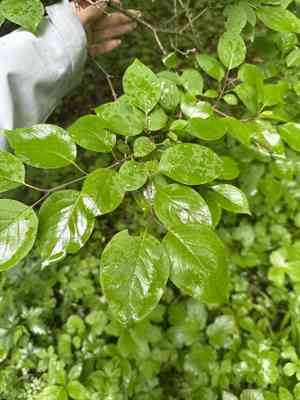
Regarding Syringa reticulata subsp. amurensis, a deciduous bush featuring panicle-shaped floral arrangements, perform trimming in late winter or early spring prior to the emergence of new foliage. Eliminate any lifeless or ailing branches, reduce older stalks, and shorten them to robust shoots to encourage robust development. Reducing density in the core enhances air movement, which in turn boosts blossom production. Consistent trimming preserves its form and vitality, simultaneously guaranteeing peak flowering.
Advantages of Trimming Syringa Reticulata Subsp. Amurensis
Advantages of Trimming Syringa Reticulata Subsp. Amurensis
Trimming syringa reticulata subsp. amurensis promotes robust development and preserves its desired form. Strategic removal of overgrown limbs results in a healthier framework, encouraging a strong base for blooms. It's crucial for managing size and ensuring an attractive appearance.
Optimal Time for Trimming Syringa Reticulata Subsp. Amurensis
Optimal Time for Trimming Syringa Reticulata Subsp. Amurensis
Trimming syringa reticulata subsp. amurensis in late winter or early spring is advantageous as it occurs just before the growth period begins, while the plant is still dormant. This timing helps prevent cutting off flower buds, which develop on old wood, ensuring syringa reticulata subsp. amurensis can bloom the following season. Additionally, removing dead or damaged branches at this time fosters healthier growth and improves the plant's overall structure. This pruning window also allows for quicker wound healing, as new growth will soon emerge. Avoiding pruning in late autumn can prevent frost damage to fresh cuts, which might happen if the plant hasn't fully entered dormancy.
Tools Required for Trimming Syringa Reticulata Subsp. Amurensis
Hand Pruners
For cutting thin twigs and shaping syringa reticulata subsp. amurensis, hand pruners or secateurs offer precision and are easy to handle, perfect for removing dead or diseased wood.
Lopping Shears
Due to syringa reticulata subsp. amurensis's potential for thicker branches, lopping shears aid in cutting branches up to 1.5 inches in diameter, providing the necessary leverage for clean cuts.
Pruning Saw
For mature syringa reticulata subsp. amurensis specimens with thicker branches that lopping shears cannot manage, a pruning saw is indispensable. Its sharp teeth are designed for efficient cutting on the pull stroke.
Pole Pruner
When syringa reticulata subsp. amurensis's height is a consideration, pole pruners enable gardeners to safely remove higher branches from the ground, especially useful for maintaining its tree-like form.
Hedge Shears
If shaping syringa reticulata subsp. amurensis into a hedge or for formal designs, hedge shears are beneficial for trimming and maintaining uniform lines across the foliage.
Gloves
To shield the gardener's hands from thorns and rough bark while trimming syringa reticulata subsp. amurensis, durable gardening gloves are essential.
How to Trim Syringa Reticulata Subsp. Amurensis
Sterilize
Before beginning, sanitize all trimming tools using a solution of one part bleach to nine parts water to prevent spreading diseases to syringa reticulata subsp. amurensis.
Remove Dead Branches
Using sharp, clean pruning shears, remove any dead branches from syringa reticulata subsp. amurensis by cutting them back to their point of origin or to the healthy wood, ensuring a clean cut without leaving stubs.
Cut Diseased Branches
Identify and trim out diseased branches from syringa reticulata subsp. amurensis by making cuts well below the affected area, ideally back to a healthy lateral branch or the main trunk to prevent disease spread.
Disinfect
After removing any dead or diseased wood, disinfect your trimming tools again to prevent cross-contamination between cuts on syringa reticulata subsp. amurensis.
Maintain Shape
As a final step, lightly shape syringa reticulata subsp. amurensis by selectively trimming back any overgrown or errant branches to maintain the plant's natural form while being cautious not to over-prune.
Common Trimming Errors with Syringa Reticulata Subsp. Amurensis
Excessive Trimming
Removing too much growth can stress syringa reticulata subsp. amurensis and hinder its natural shape or flowering potential. It's a frequent mistake to cut back the plant excessively in an attempt to control size or promote bushiness.
Incorrect Cut Placements
Cutting too far from or too close to a bud can result in unhealthy growth or disease. It's best to make cuts at a 45-degree angle, approximately 1/4 inch above a bud facing away from the plant.
Neglecting Tool Sanitation
Using unclean trimming tools can introduce pathogens to syringa reticulata subsp. amurensis, potentially leading to diseases. Always clean and disinfect tools before use.
Ignoring Diseased Or Damaged Wood
Failing to remove dead, diseased, or damaged wood can impede syringa reticulata subsp. amurensis's growth and health. Such wood should be trimmed out promptly to prevent the spread of disease and pests.
General Trimming Advice for Syringa Reticulata Subsp. Amurensis
Selective Trimming
Encourage a natural form by selectively cutting back overgrown branches rather than shearing. This preserves the integrity of syringa reticulata subsp. amurensis's shape and allows light and air to penetrate the canopy.
Rejuvenation Trimming
Gradually remove older stems over several years to rejuvenate syringa reticulata subsp. amurensis. This promotes new growth and flowering, especially since syringa reticulata subsp. amurensis flowers on old wood.
Thinning
Thin out crowded branches to improve air circulation and light availability, which in turn can reduce disease risk and bolster syringa reticulata subsp. amurensis's overall vitality and flowering capability.
Maintenance Trimming
Regularly inspect syringa reticulata subsp. amurensis and remove suckers, water sprouts, and crossing branches to sustain a clean, healthy structure and enhance its ornamental value.



