How to Prune Syringa oblata?
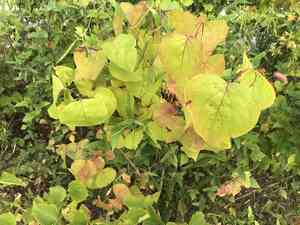
A deciduous bush celebrated for its aromatic, purple flowers, syringa oblata flourishes with appropriate care. Essential trimming methods involve eliminating deceased or ailing wood, reducing dense branches, and shortening excessively long stems to foster air movement and light access. The most effective pruning should occur in late winter or early spring prior to the appearance of new shoots. Consistent trimming preserves syringa oblata's form, stimulates revitalization, and boosts floral production. Important note: refrain from significant late-season pruning, as this can diminish the following year's blossoms.
What Are the Benefits of Pruning Syringa Oblata?
What Are the Benefits of Pruning Syringa Oblata?
Trimming syringa oblata encourages vigorous development, sustaining its vitality. Regular cutting aids in maintaining a desired form, ensuring syringa oblata appears attractive and grows optimally.
What Is the Best Time for Pruning Syringa Oblata?
What Is the Best Time for Pruning Syringa Oblata?
Pruning syringa oblata in late winter or early spring is advantageous as it typically precedes the onset of new growth. During this period, the plant is dormant, which minimizes stress and the risk of pathogens entering pruning wounds. This timing also allows gardeners to easily discern the structure of syringa oblata without foliage, enabling better decisions about which branches to remove. Pruning before spring growth ensures that the plant's energy is directed towards producing fresh, healthy growth immediately after pruning, and it also safeguards the upcoming flowering period, as syringa oblata blooms on old wood. Pruning after flowering can eliminate the buds for the subsequent season's flowers.
What Tools Do I Need to Prune Syringa Oblata?
Bypass Pruners
Perfect for making clean cuts on the young, green branches of syringa oblata without crushing plant tissues, crucial for fostering healthy regrowth.
Lopping Shears
Most suitable for cutting through thicker branches that bypass pruners cannot manage, ensuring precise cuts without harming syringa oblata.
Pruning Saw
Essential for removing mature and woody stems of syringa oblata with minimal effort, preventing tearing that can lead to illness.
Gloves
Offers protection for the gardener from thorns and rough branches while pruning syringa oblata, ensuring safe handling.
Sharpening Tool
Maintains the keen edge of pruning implements for clean and effective cuts, which is vital for the well-being of syringa oblata.
How to Prune Syringa Oblata
Identify
Examine syringa oblata thoroughly to pinpoint diseased and withered leaves, as well as dead and ailing branches that need removal.
Sterilize
Sanitize your pruning tools with alcohol or a 10% bleach solution to prevent the spread of disease during trimming.
Remove Leaves
Carefully detach diseased and withered leaves from syringa oblata by snipping them off at their base, taking care not to harm healthy parts.
Prune Branches
Trim dead and diseased branches from syringa oblata by making clean cuts with a sharp tool at a 45-degree angle, just above an outward-facing bud or node.
Cleanup
Collect and dispose of all pruned material from syringa oblata to eliminate potential sources of infection, and clean the tools again after use.
Common Pruning Mistakes with Syringa Oblata
Overpruning
Removing an excessive amount of growth can stress syringa oblata, leading to poor health and sparse blooms. It's vital to prune no more than one-third of the plant in a single season.
Improper Cuts
Making cuts too close or too far from the buds can result in damage or poor growth. Cuts should be made at a 45-degree angle just above outward-facing buds.
Not Sanitizing Tools
Failing to sanitize pruning tools before use can introduce pathogens to syringa oblata, potentially causing disease. Always clean tools with a disinfectant before and after pruning.
Neglecting Weak Or Dead Wood
Ignoring dead, diseased, or weak branches can hinder syringa oblata's overall health and aesthetic. These should be targeted first during pruning.
Common Pruning Tips for Syringa Oblata
Assess The Plant
Before pruning, observe the overall shape and health of syringa oblata to determine which areas require attention. Focus on shaping the plant while removing unhealthy growth.
Encourage Air Circulation
Prune the inner branches of syringa oblata to improve air flow and sunlight penetration, which helps prevent disease and promotes even flowering.
Support Rejuvenation
If syringa oblata is old or overgrown, consider rejuvenative pruning by cutting back about one-third of the oldest stems to ground level to encourage new growth.
Use Sharp Tools
Utilize sharp, clean pruning shears or loppers for smooth cuts that heal quickly and minimize stress to syringa oblata. Blunt tools can cause tearing, which may lead to disease.



