How to Prune Eastern skunk cabbage?
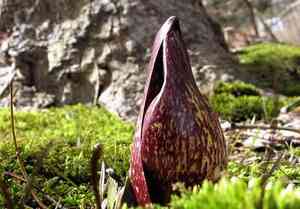
Distinguished by its pungent, cowl-shaped blossoms and preference for damp, boggy environments, eastern skunk cabbage needs very little trimming. Upkeep entails taking off discolored or injured foliage and faded flower spathes to encourage development and ward off illness. Trimming is ideally carried out in spring or following blooming to align with the plant's natural cycle. Particular caution is necessary because of its unpleasant smell when handling plant material; wearing gloves is advisable. Pruning aids this species by preserving its health and vitality, guaranteeing its distinctive role in wetland habitats.
What Are the Benefits of Pruning Eastern Skunk Cabbage?
What Are the Benefits of Pruning Eastern Skunk Cabbage?
Trimming eastern skunk cabbage can encourage stronger development and help keep its desired shape, ensuring the plant stays visually appealing and thriving within its garden spot.
What Is the Best Time for Pruning Eastern Skunk Cabbage?
What Is the Best Time for Pruning Eastern Skunk Cabbage?
Trimming eastern skunk cabbage in late spring or early summer aligns with the period after flowering, allowing gardeners to cut without disturbing blooms. Eastern skunk cabbage's growth cycle begins in late winter, with flowers appearing before leaves. By late spring, the plant has usually finished blooming, and energy reserves are plentiful, promoting quick wound recovery post-trimming. Additionally, pruning during these seasons prepares eastern skunk cabbage for vigorous growth in warmer months. Avoid fall pruning as it can stimulate new, frost-sensitive growth or affect eastern skunk cabbage's dormancy preparation.
What Tools Do I Need to Prune Eastern Skunk Cabbage?
By-pass Pruners
By-pass pruners are suitable for making clean, precise cuts on eastern skunk cabbage's fleshy stems without causing undue harm to the plant's tissues.
Shears
Shears are useful for quickly and efficiently trimming larger sections of eastern skunk cabbage's foliage, if necessary.
Long-handled Loppers
Long-handled loppers can be used to reach into dense areas of eastern skunk cabbage and cut thicker stems that by-pass pruners might struggle with.
Gloves
Wearing gloves is crucial when pruning eastern skunk cabbage to shield skin from its unpleasant-smelling sap, which can be irritating.
How to Prune Eastern Skunk Cabbage
Removal Of Damaged Leaves
Eastern skunk cabbage often produces large leaves that can be harmed by the environment or pests. Carefully inspect the plant and use clean, sharp scissors or pruners to snip off any damaged leaves at their base where they meet the stem to prevent disease spread.
Trimming Wilted Flowers
After eastern skunk cabbage has bloomed, faded flowers can be removed to enhance the plant's appearance and redirect its energy to healthier parts. Gently clip the flower stalks near the base without disturbing nearby foliage.
Prune Old Foliage
As eastern skunk cabbage matures, old foliage will naturally begin to shrivel and die back. Remove this old foliage to maintain plant health and vigor. Cut the old leaves back to the plant's base, being careful not to harm new growth.
Cleaning Up
After pruning eastern skunk cabbage, gather and dispose of all trimmings to lessen the risk of disease and pest infestation. This will also keep the area around the plant neat.
Equipment Care
Sterilize your pruning tools after finishing with eastern skunk cabbage to prevent pathogen transfer to other plants. Wipe blades with alcohol or a bleach-water solution and oil them to prevent rust.
Common Pruning Mistakes with Eastern Skunk Cabbage
Overpruning
Removing too much foliage or too many stems at once can stress eastern skunk cabbage, hindering its growth and vitality.
Cutting Into The Crown
Cutting into the crown or base of the plant where new growth originates can cause significant harm to eastern skunk cabbage, potentially leading to disease or death of the plant.
Using Dull Tools
Pruning eastern skunk cabbage with dull tools can result in jagged cuts that are more susceptible to infections and do not heal properly.
Ignoring Plant Health
Failing to inspect eastern skunk cabbage for signs of pests or disease before pruning may lead to the unintentional spread of infestations or infections to healthy parts of the plant.
Pruning All Stems Uniformly
Cutting all stems to the same height without considering the natural shape and growth pattern of eastern skunk cabbage can result in a less aesthetically pleasing appearance and may impede natural growth.
Common Pruning Tips for Eastern Skunk Cabbage
Selective Pruning
Identify and selectively remove only the dead or damaged leaves and stems to maintain the health of eastern skunk cabbage, thereby avoiding unnecessary stress to the plant.
Sharp Tools
Use clean, sharp pruning tools to make precise cuts on eastern skunk cabbage, which will heal faster and reduce the risk of disease.
Natural Shape
Prune eastern skunk cabbage while paying attention to its natural form, aiming to maintain an organic appearance and reinforce the plant's inherent growth tendencies.
Timely Maintenance
Regularly check eastern skunk cabbage for damaged or dying parts throughout the growing season, as prompt removal can help prevent the spread of decay and maintain the plant's appearance.
Post-Pruning Care
Provide eastern skunk cabbage with adequate water, light, and nutrition after pruning to support its recovery and encourage robust growth in the aftermath of the pruning process.



