How to Prune Common comfrey?
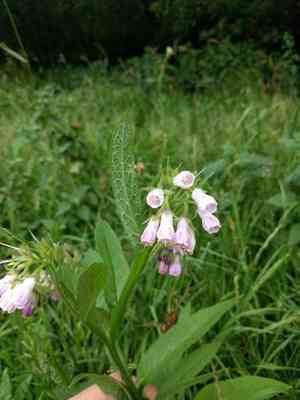
A member of the borage family, recognized by its bristly foliage and campanulate blossoms, common comfrey flourishes in gardens as a perennial herb. Trim common comfrey from early spring through late summer for management and revitalization. Consistently eliminate withered or compromised leaves and stalks, and reduce its size to several inches after blooming to stimulate a subsequent flowering. Trimming additionally averts excessive density, enhances air movement, and fosters robust development in this energetic plant.
What Are the Benefits of Pruning Common Comfrey?
What Are the Benefits of Pruning Common Comfrey?
Trimming common comfrey promotes more robust development and helps maintain its desired form. By selectively cutting back overgrown stems, gardeners can stimulate fresh growth and keep common comfrey looking neat.
What Is the Best Time for Pruning Common Comfrey?
What Is the Best Time for Pruning Common Comfrey?
Pruning common comfrey in early spring is optimal as it marks the start of its active growth phase. This allows the plant to recover quickly and direct its energy into producing new foliage. Trimming at this time helps preserve its preferred shape and size, and can also encourage the plant to develop stronger, more resilient growth. Regarding late summer pruning, this timing coincides with the end of the plant's blooming cycle. Pruning at this stage prevents common comfrey from expending energy on seed production, which can generally weaken the plant. Additionally, trimming before autumn ensures cuts heal prior to dormancy, reducing the risk of infection or disease. It is crucial to avoid pruning common comfrey in late fall or winter, as the plant is dormant, and any new growth stimulated by pruning could be damaged by cold weather.
What Tools Do I Need to Prune Common Comfrey?
Bypass Pruners
Bypass pruners are recommended for common comfrey due to their sharp, curved blades that make clean cuts without crushing the stems. These cuts enable healthier regrowth.
Pruning Shears
Pruning shears are suitable for deadheading and shaping common comfrey. Their design allows for precise control, making them ideal for cutting back the plant to maintain its desired size and shape.
Garden Scissors
Garden scissors are excellent for snipping off flower stalks and removing individual leaves. Their smaller blades are perfect for the delicate work often needed with common comfrey.
Long-Handled Loppers
If common comfrey has become overgrown and requires cutting back thicker stems, long-handled loppers provide the necessary leverage and reach to make the task easier without straining the gardener's back.
Gardening Gloves
Due to common comfrey's coarse hairs that can irritate the skin, gardening gloves are essential to protect the gardener's hands during the pruning process.
How to Prune Common Comfrey
Step1: Assess plant health for pruning
Evaluate common comfrey's overall condition and identify areas needing pruningâspecifically look for damaged leaves, wilted flowers, and dead stems.
Step2: Prepare clean, sharp pruning tools
Clean and sharpen your pruning tools to prevent the spread of disease and ensure precise cuts.
Step3: Wear protective gloves
Wear gloves to protect your hands from common comfrey's rough leaves and the potential for irritating compounds.
Step4: Remove damaged leaves
Begin pruning by removing damaged leaves. Make cuts at the base of each leaf where it meets the stem, using sharp scissors or secateurs for a clean cut.
Step5: Prune wilted flowers for regrowth
Prune wilted flowers next to encourage new growth and more blooms. Cut the flower stalks down to the base of the stem at an angle to allow water to run off.
Step6: Cut back dead stems
Remove dead stems by cutting them back to the base or to the point of healthy growth. Use clean, sharp pruning shears to make smooth cuts without tearing.
Step7: Dispose of pruned plant parts
After pruning, carefully dispose of the removed parts to prevent the spread of any potential diseases.
Step8: Water plant post-pruning
Water common comfrey if the soil is dry, as this will help the plant recover from the pruning process.
Step9: Monitor plant for further pruning needs
Monitor common comfrey for signs of new growth and additional pruning needs, repeating these steps as necessary throughout the growing season.
Post-Pruning Care for Common Comfrey
Post-Pruning Care for Common Comfrey
Immediately after pruning common comfrey, ensure the cuts are clean to promote swift healing. Position common comfrey in a location with indirect light, maintaining moderate humidity and avoiding temperature extremes. Water sparingly to prevent root rot but keep the soil lightly moist. Apply a balanced, slow-release fertilizer to support regrowth. Regularly inspect common comfrey for discoloration or wilting as indicators of stress or infection, treating promptly with fungicides if necessary. Adjust care as common comfrey recovers, based on leaf health and new growth.
Common Pruning Mistakes with Common Comfrey
Avoid Pruning Near Main Stem or Crowns
Pruning too close to the main stem or crowns of common comfrey, which can potentially damage the plant.
Do Not Remove Excessive Foliage at Once
Removing too much foliage at once, which may stress common comfrey and reduce its vigor.
Consider Natural Growth Before Cutting Woody Stems
Cutting into old, woody stems without considering the natural growth habit of common comfrey, possibly resulting in uneven or stunted growth.
Maintain Cleanliness of Pruning Tools
Disregarding the cleanliness of pruning tools, risking the spread of diseases to common comfrey.
Prevent Jagged Cuts to Facilitate Healing
Ignoring the plant's healing process by making jagged or torn cuts, which can lead to infections.
Common Pruning Tips for Common Comfrey
Sterilize Tools to Prevent Disease
Sterilize pruning tools before trimming common comfrey to prevent disease transmission.
Make Clean, Angled Cuts for Proper Healing
Make clean, angled cuts on common comfrey to promote healing and prevent water accumulation that may lead to rot.
Prune Gradually to Encourage New Growth
Prune common comfrey by removing only a third of the growth to maintain plant health and encourage new, vigorous growth.
Trim to Healthy Buds for Desired Growth Direction
Trim back to a healthy bud or side shoot on common comfrey, ensuring it faces the direction you want new growth to go.
Deadhead After Flowering for Rebloom
After flowering, cut back common comfrey's spent flower stalks to base to tidy the plant and encourage a second bloom.
Remove Damaged Foliage to Maintain Plant Health
Regularly remove damaged or diseased foliage from common comfrey to keep the plant healthy and well-shaped.



