How to Prune Smooth blue aster?
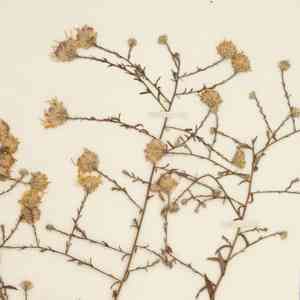
Celebrated for its blossoms in late summer and autumn, smooth blue aster flourishes with judicious trimming. In the spring, cut back the prior year's stems to foster vigorous new leaves and abundant flowering. Throughout the summer, minor trimming can be performed to sculpt the plant and promote a more compact form. This perennial plant gains from removing spent flowers, sustaining its vitality by encouraging a subsequent bloom and inhibiting uncontrolled seed dispersal. Trimming smooth blue aster during these periods ensures a neat appearance, boosting its aesthetic value and overall well-being.
What Are the Benefits of Pruning Smooth Blue Aster?
What Are the Benefits of Pruning Smooth Blue Aster?
Trimming smooth blue aster promotes robust development and maintains its desired form. By selectively cutting back stalks, gardeners encourage new, healthy shoots and can keep smooth blue aster's growth compact, enhancing its visual appeal in the garden.
What Is the Best Time for Pruning Smooth Blue Aster?
What Is the Best Time for Pruning Smooth Blue Aster?
Pruning smooth blue aster from late winter to early spring supports vigorous growth as the plant emerges from dormancy, ensuring strong new shoots for the season. Timely trimming also allows for shaping before the spring growth spurt. Summer pruning, after flowering, encourages rebloom and helps maintain plant health by removing spent flowers and any diseased or damaged foliage, aligning with smooth blue aster's growth cycle and seasonal development, while minimizing disease risk.
What Tools Do I Need to Prune Smooth Blue Aster?
Hand Pruners
Perfect for snipping off faded blooms or deadheading smooth blue aster, and for thinning out small stems to improve air circulation and light penetration.
Pruning Shears
Useful for making clean cuts on smooth blue aster's stems during shaping or when cutting back the plant in late winter or early spring to stimulate new growth.
Gloves
Though not a cutting tool, gloves protect hands from scratches when pruning smooth blue aster, which can sometimes have rough stems.
Garden Scissors
These allow for precision when deadheading smooth blue aster or when delicate trimming is needed for maintenance.
Long-Handled Loppers
These are necessary if smooth blue aster is overgrown and has thicker stems that are difficult to cut with hand pruners. They provide leverage and reach.
How to Prune Smooth Blue Aster
Cleanup
Identify all dead stems on smooth blue aster and cut them back to the base or to a healthy set of leaves using clean, sharp pruning shears. This prevents disease and encourages new growth.
Deadhead
Remove old and faded flowers from smooth blue aster by snipping them off at their stem just above the first set of healthy leaves. This stimulates further blooming and maintains the plant's appearance.
Shape
Evaluate the overall form of smooth blue aster after removing dead material and trim any disproportionate or outlying growth to maintain a balanced shape.
Thinning
Thin out crowded areas by selectively cutting newer stems at their base to improve airflow and light exposure, which can enhance the health and flowering of smooth blue aster.
Health check
After pruning, dispose of all removed plant material and inspect smooth blue aster for signs of pests or disease that may require treatment.
Common Pruning Mistakes with Smooth Blue Aster
Overpruning
Removing too much growth in one session can stress smooth blue aster, potentially leading to reduced vigor and fewer blooms.
Cutting too close
Cutting branches too near the main stem may hinder the natural healing process, increasing the risk of disease.
Blunt tools
Using dull or unclean pruning tools can damage smooth blue aster's stems, making them more susceptible to pests and diseases.
Pruning healthy growth
Unnecessarily cutting back healthy stems and foliage can inhibit the natural shape and flower production of smooth blue aster.
Ignoring diseased material
Failing to remove diseased or dead material can encourage the spread of pathogens, compromising the health of smooth blue aster.
Inconsistent cuts
Making inconsistent or jagged cuts can cause unnecessary harm to smooth blue aster and negatively impact its appearance.
Common Pruning Tips for Smooth Blue Aster
Clean cuts
Make clean, diagonal cuts on smooth blue aster's stems to promote quick healing and prevent disease entry points.
Sanitize tools
Disinfect pruning tools before use to prevent the spread of disease between plants and ensure a smooth cut.
Assess before cutting
Carefully assess smooth blue aster before pruning to identify which stems should be removed to maintain a healthy, aesthetically pleasing shape.
Prune damaged stems
Remove any damaged, diseased, or dead growth from smooth blue aster to promote healthier blooms and reduce the risk of disease.
Thin crowded areas
Thin out crowded areas to improve air circulation and sunlight penetration, essential for smooth blue aster's growth and bloom production.
Encourage bushiness
Prune back leggy stems to encourage smooth blue aster to grow more densely, resulting in a fuller plant with more flowers.



